
أصبح مرشح الرغوة الخزفي مكونًا أساسيًا في خطوط صب الألومنيوم الحديثة. وسواءً كان ذلك في صب القضبان أو صب الألواح أو في تطبيقات المسابك، فإنه يلعب دورًا حاسمًا في إزالة الشوائب، وتثبيت تدفق المعدن المنصهر، وتحسين جودة المنتج النهائي.
ومع ذلك، لا يزال العديد من المهندسين والمشترين يسيئون فهم كيفية عمل مرشحات الرغوة الخزفية فعليًّا — والأهم من ذلك، كيفية اختيار المرشح المناسب.
يستند هذا الدليل الفني إلى الممارسات الفعلية في مجال صناعة السبك والبيانات الصناعية، مما يساعدك على فهم الأداء ومعايير الاختيار والأخطاء الشائعة.
تعرف على المزيد عن مرشحنا الرغوي الخزفي
ما هو مرشح الرغوة الخزفي؟
A مرشح رغوي خزفي هي بنية مسامية ثلاثية الأبعاد ذات خلايا مفتوحة، تُصنع عادةً من الألومينا (Al₂O₃) أو كربيد السيليكون (SiC) أو الزركونيا.
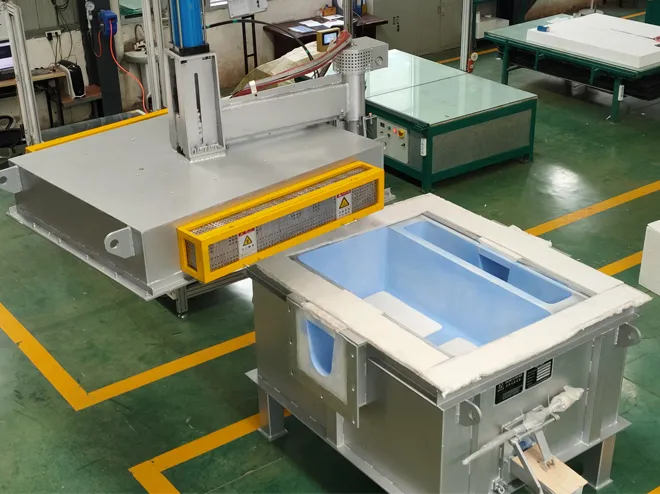
يتم تركيبه في نظام نقل الألومنيوم المنصهر — عادةً داخل صندوق الترشيح — بين الفرن ومحطة الصب.
على عكس المرشحات الشبكية التقليدية، تعمل المرشحات الرغوية الخزفية من خلال وحدة ترشيح الألواح, ، وليس مجرد غربلة.
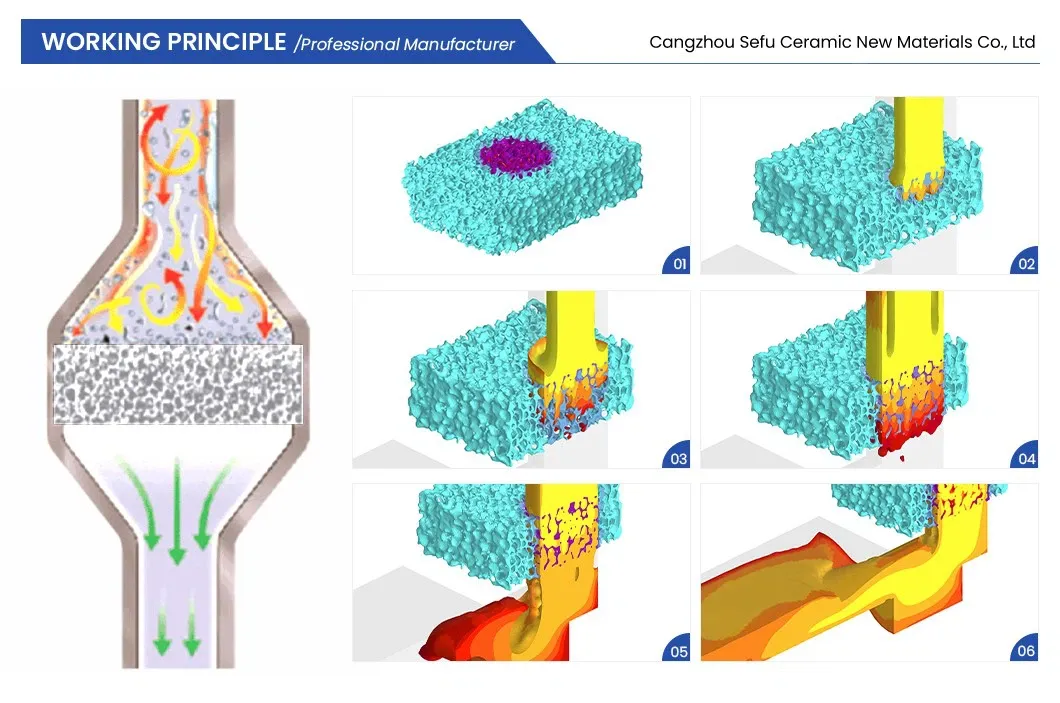
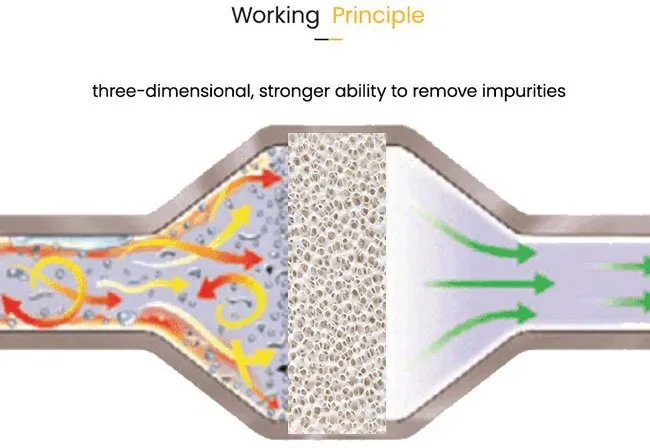
وفقًا لـ الأبحاث الصناعية, ، يمكن لمرشحات الرغوة الخزفية إزالة الشوائب الكبيرة والصغيرة على حد سواء من خلال مزيج من آليات الاعتراض والامتصاص والتحكم في التدفق
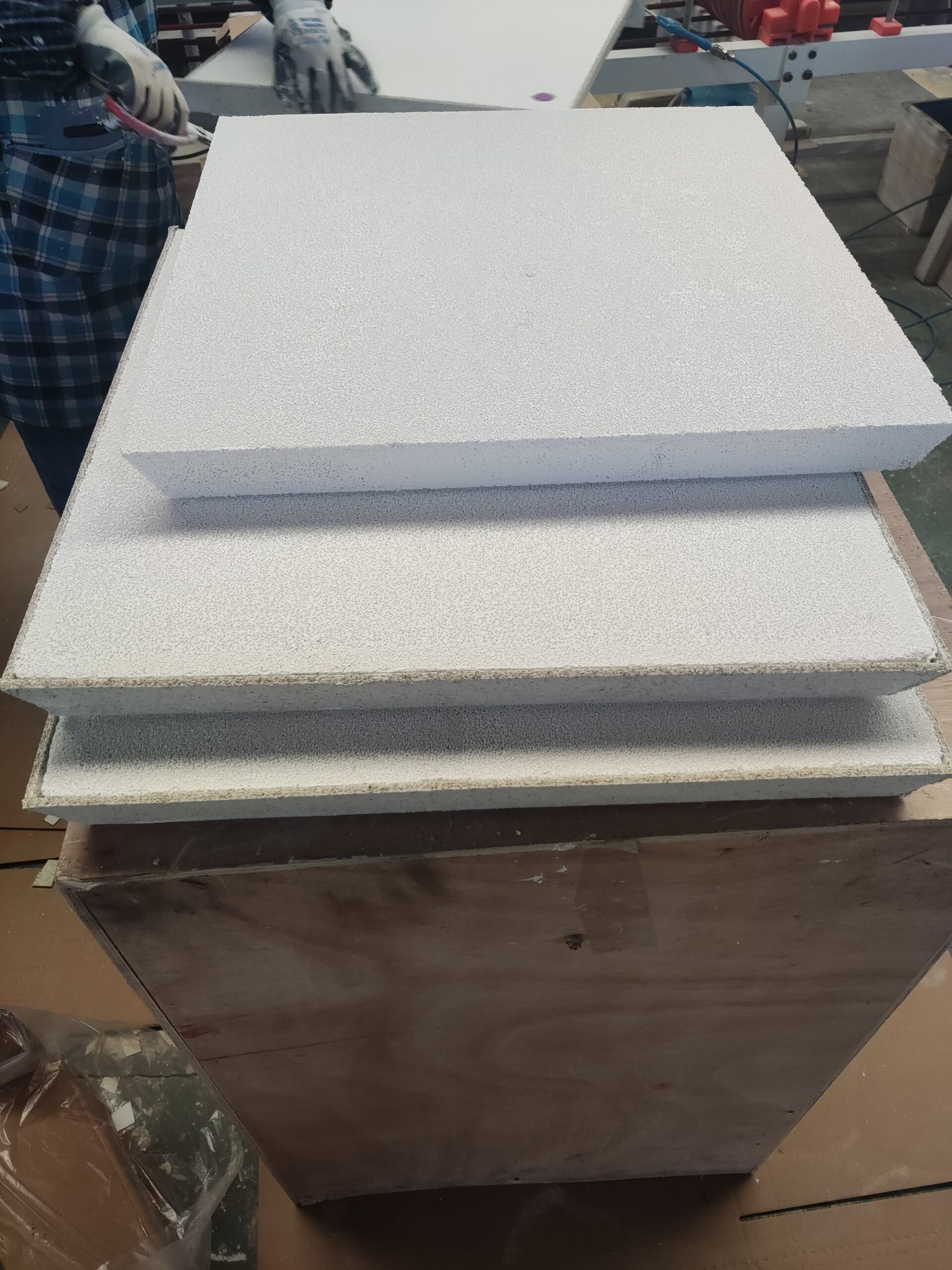
كيف يعمل مرشح الرغوة الخزفية في عملية ترشيح الألومنيوم؟
الترشيح العميق مقابل الترشيح السطحي
يعتقد معظم الناس أن عملية الترشيح تعمل مثل الشبكة. لكن في الواقع، تعمل المرشحات المصنوعة من الرغوة الخزفية بطريقة مختلفة.
الآليات الرئيسية:
- التقاط السطحي – يتم احتجاز الشوائب الأكبر حجمًا عند المدخل
- ترشيح الكيك – يؤدي التراكم إلى تحسين كفاءة الترشيح
- الامتصاص في الطبقة العميقة – تلتصق الشوائب الدقيقة بالبنية الداخلية
يعمل هذا النظام للترشيح متعدد المراحل على تحسين نظافة المادة المنصهرة بشكل ملحوظ.
تشير الدراسات إلى أن كفاءة إزالة الشوائب يمكن أن تصل إلى ما يزيد عن 90%، اعتمادًا على حجم المسام وظروف التشغيل. .
لماذا يُعد مرشح الرغوة الخزفي عنصراً مهماً في صب الألومنيوم
1. الحد من عيوب التضمين
يحتوي الألومنيوم المنصهر على:
- أغشية الأكسيد
- الخبث/الرواسب
- جزيئات الرمل
وتعمل هذه العناصر كمركّزات للإجهاد وتؤدي إلى:
- الشقوق
- عيوب السطح
- انخفاض القوة الميكانيكية
يؤدي استخدام مرشح رغوي خزفي إلى الحد بشكل كبير من هذه المشكلات.
2. تثبيت التدفق
ومن المزايا التي غالبًا ما يتم تجاهلها التحكم في التدفق الطبقي.
بدون ترشيح:
- تزداد الاضطرابات الجوية
- يحدث احتباس للهواء
- تزداد حدة الأكسدة
تعمل المرشحات الرغوية الخزفية على تحويل التدفق المضطرب إلى تدفق أكثر استقرارًا وذو نمط طبقي
3. تحسين المحصول
في عملية الإنتاج الفعلية:
- تخفيض الفضلات: 10–30%
- تحسين جودة السطح: ملحوظ
- خفض تكاليف التصنيع
ولهذا السبب تعتبر معظم مصانع صب الألمنيوم عملية الترشيح بمثابة إلزامي, ، وليس اختياريًا.
اتصل بنا للحصول على استشارة فنية
مواصفات مرشح الرغوة الخزفي (المعلمات الرئيسية)
في عمليات الصب الفعلية، لا يُحدد أداء مرشح الرغوة الخزفية بمعامل واحد فقط. بل هو مزيج من بنية المسام، والمادة، والقوة الميكانيكية، وسلوك التدفق وهو ما يحدد كفاءة الترشيح.
تبدو العديد من أوراق البيانات متشابهة، لكن الاختلافات الطفيفة في البنية قد تؤدي إلى نتائج مختلفة تمامًا في مرحلة الإنتاج.
الجدول 1: نطاق المواصفات العملية لمرشحات الرغوة المصنوعة من الألومنيوم والسيراميك
| المعلمة | النطاق الصناعي النموذجي | التأثير العملي في مجال صناعة السبك |
|---|---|---|
| PPI (عدد المسام في البوصة) | 10 / 20 / 30 / 40 / 50 | يحدد دقة الترشيح ومقاومة التدفق |
| المسامية المفتوحة | 82% – 90% | كلما زادت المسامية، كان التدفق أفضل، لكن القوة أقل |
| الكثافة الظاهرية | 0.38 – 0.55 غ/سم³ | يؤثر على الاستقرار الحراري والمتانة |
| قوة الضغط | 0.8 – 1.5 ميجا باسكال | ملاحظات مهمة بشأن المناولة والتركيب |
| أقصى درجة حرارة تشغيل | ≤ 1250 درجة مئوية (Al₂O₃) | يجب أن تتجاوز درجة حرارة الألومنيوم المنصهر (~720 درجة مئوية) |
| مقاومة الصدمات الحرارية | ≥ 6 دورات (درجة حرارة الغرفة ↔ 700 درجة مئوية) | يمنع حدوث تشققات أثناء بدء التشغيل |
| انخفاض الضغط الأولي | 1.5 – 3.5 كيلو باسكال (عند التدفق القياسي) | يؤثر بشكل مباشر على سرعة الصب |
Industry reality:Many suppliers emphasize only “high porosity,” but if the structure is uneven, this can actually lead to faster localized clogging and a more significant drop in flow rate.
كيفية اختيار مؤشر PPI المناسب (ليس فقط وفق مبدأ “كلما ارتفع المؤشر كان ذلك أفضل”)
أحد الأخطاء الأكثر شيوعًا في صب الألومنيوم هو الافتراض بأن ارتفاع عدد النقاط في البوصة (PPI) يعني دائمًا ترشيحًا أفضل. في الواقع، يجب أن يحقق الاختيار توازنًا بين دقة الترشيح وسعة تدفق المعادن.
الجدول 2: اختيار مؤشر أسعار المنتجين (PPI) بناءً على ظروف الصب الفعلية
| حالة الصب | مؤشر أسعار المنتجين الموصى به | السبب الحقيقي (من أرضية المصنع) |
|---|---|---|
| صب السبائك الكبيرة / الألواح | 10–20 نقطة في البوصة | يلزم معدل تدفق عالٍ، والشوائب أكبر نسبيًا |
| صب القضبان (معلومات عامة) | 20–30 نقطة في البوصة | الخيار القياسي، تدفق مستقر + ترشيح جيد |
| قضبان البثق عالية الجودة | 30–40 نقطة في البوصة | يزيل الأكاسيد الدقيقة، ويحسن مظهر السطح |
| الصب ذو الجدران الرقيقة / الصب الدقيق | 40–50 نقطة في البوصة | ضروري للتحكم في الإدماج الدقيق |
| الألومنيوم المعاد تدويره (عالي الشوائب) | 20–30 نقطة في البوصة | تجنب الانسداد مع الحفاظ على فعالية الترشيح |
الخبرة العملية أمر بالغ الأهمية:
إذا استخدمت مرشحًا بدقة 40 PPI مع الألومنيوم المنصهر عالي السرعة (مثل سبيكة قطرها 178 مم)، فمن المرجح أن تواجه ما يلي:
انخفاض سرعة التدفق
ارتفاع مستوى السائل
في النهاية، سيتعين عليك إيقاف تشغيل الجهاز واستبدال الفلتر
Therefore:
يجب أن يأخذ اختيار المرشح معدل التدفق (كجم/دقيقة) في الاعتبار؛ فالأمر لا يقتصر على درجة الترشيح فحسب
Flow Rate vs Filter Size (What Datasheets Don’t Tell You)
Most manufacturers provide flow rate tables, but they are often based on ideal conditions. In real casting environments, factors like metal cleanliness, temperature fluctuation, and turbulence significantly affect performance.
Table 3: Realistic Flow Capacity Reference (Aluminum Casting)
| حجم المرشح | معدل التدفق الموصى به (كجم/دقيقة) | Upper Limit (Short Term) | Notes from Practice |
|---|---|---|---|
| 7 inch (178mm) | 25 – 45 | up to 60 | Stable for small billet lines |
| 9 inch (230mm) | 40 – 80 | up to 100 | Common in medium casting |
| 12 inch (305mm) | 80 – 150 | up to 180 | Widely used in extrusion plants |
| 15 inch (381mm) | 120 – 220 | up to 260 | Requires stable head pressure |
| 20 inch (508mm) | 200 – 400 | up to 450 | Used in slab casting systems |
👉 Industry reality:
10–15 minutes after filtration begins:
Inclusion begins to accumulate
Actual flow typically drops by 10–25%
👉 Therefore, it is essential to build in a safety margin during design, rather than operating at “maximum flow.”
Material Selection: Not All Ceramic Foam Filters Are the Same
While alumina-based filters dominate aluminum casting, material selection still matters in specific conditions.
Table 4: Material Comparison for Aluminum Filtration
| المواد | When to Use | Real Advantage | القيود |
|---|---|---|---|
| الألومينا (Al₂O₃) | Most aluminum casting lines | Cost-effective, stable | General Thermal Shock |
| كربيد السيليكون (SiC) | High turbulence / recycled metal | Better shock resistance | higher cost |
| الزركونيا (ZrO₂) | Special alloys / high-end casting | Excellent corrosion resistance | Rarely used in standard aluminum |
👉 Industry Reality:
Over 90% of aluminum plants still use Al₂O₃ filter plates because they offer the best value for money.
Contact Us for Selection Guide
Real Foundry Observations: Why Filters Fail Early
From on-site troubleshooting, filter failure is rarely caused by the filter itself. Instead, it is usually due to process mismatch.
Common real-world issues:
1. Head Pressure Too Low
- Result: metal cannot penetrate filter evenly
- Symptom: partial flow, unstable casting
2. Poor Sealing Around Filter
- Molten aluminum bypasses filter
- Filtration efficiency drops sharply
👉Industry Reality:
This is an issue that many factories overlook, and it’s even more serious than choosing the wrong PPI.
👉 Therefore,choosing high-quality refractory sealing materials—such as ceramic fiber rope for aluminum casting—is essential to ensure proper sealing performance and prevent molten metal bypass.
3. No Preheating or Uneven Heating
- Leads to micro-cracks
- Reduces structural integrity
4. Dirty Melt (Upstream Problem)
- High oxide content → rapid clogging
- Filter life reduced by 30–50%
👉Industry Reality:upstream treatment with مواد التذويب المستخدمة في تكرير الألومنيوم is essential to control oxide levels before filtration.
Engineering Insight: Filtration Is a Dynamic Process
A ceramic foam filter does not perform at a constant efficiency.
Instead, filtration evolves in stages:
- Initial stage → low resistance, lower efficiency
- Cake formation → optimal filtration
- Clogging stage → flow drops, efficiency peaks
👉 Here’s why:
Leaving the filter plate in for too long = flow issues
Replacing it too often = wasted costs
👉 Industry Reality:The optimal balance is usually somewhere in the cake formation.
Practical Recommendation (From Casting Engineers)
If you want stable performance, focus on system matching rather than just filter specs:
- Match PPI + flow rate + filter size
- Ensure proper sealing (critical!)
- صيانة stable head pressure
- Control melt cleanliness upstream
👉 Industry Reality:A “well-matched filtration system” is more important than “high-specification filter plates”
الخلاصة
مرشح رغوي خزفي performance is not determined by a single parameter like PPI or porosity. It is the result of a balanced system design.
In real aluminum casting operations, success depends on:
- Correct PPI selection
- Matching flow conditions
- Proper installation and sealing
- Stable upstream melt quality
Ignoring any one of these factors can significantly reduce filtration efficiency—even if the filter itself meets all specifications.
الأسئلة الشائعة
1. What is a ceramic foam filter used for in aluminum casting?
A ceramic foam filter is used to remove non-metallic inclusions such as oxides and slag from molten aluminum, improving metal cleanliness and final casting quality.
2. How does a ceramic foam filter work?
Ceramic foam filters use deep-bed filtration, where inclusions are captured through interception, adsorption, and flow redirection within the porous structure.
3. What does PPI mean in ceramic foam filters?
PPI (pores per inch) indicates the number of pores in the filter structure. Higher PPI provides finer filtration but increases flow resistance.
4. What is the best PPI for aluminum casting?
For most aluminum casting applications, 20–30 PPI is recommended as it balances filtration efficiency and molten metal flow rate.
5. Why does a ceramic foam filter clog quickly?
Rapid clogging is usually caused by high oxide content in the molten aluminum or improper upstream treatment, rather than the filter itself.
6. How can I extend the life of a ceramic foam filter?
To extend filter life, ensure proper melt treatment using refining flux, maintain stable flow conditions, and avoid excessive inclusion load.
7. Do ceramic foam filters affect metal flow rate?
Yes, ceramic foam filters introduce flow resistance. Higher PPI filters reduce flow rate more significantly, so proper selection is critical.
8. Should ceramic foam filters be preheated before use?
Yes, preheating is essential to prevent thermal shock and ensure stable molten aluminum flow through the filter.
9. What materials are ceramic foam filters made of?
Common materials include alumina (Al₂O₃), silicon carbide (SiC), and zirconia (ZrO₂), with alumina being the most widely used in aluminum casting.
10. Where should a ceramic foam filter be installed?
It is typically installed in a filter box between the furnace and the casting mold to ensure effective filtration before metal solidification.