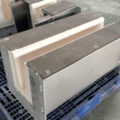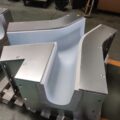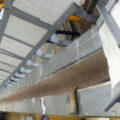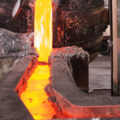
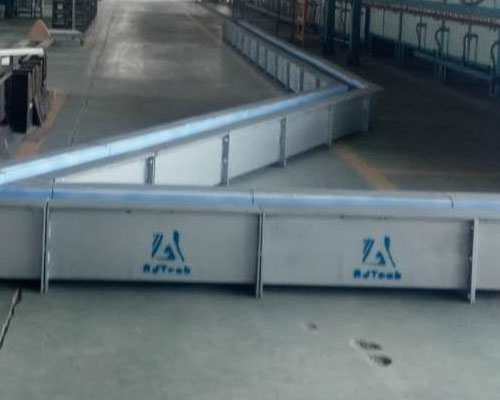
A launder system for molten aluminum casting is a refractory-lined channel used to safely transfer liquid aluminum from furnaces, holding furnaces, or treatment units to casting equipment. It plays an important role in maintaining stable metal flow, reducing heat loss, and protecting molten aluminum quality during transportation.
Unlike simple metal channels, industrial casting launders are designed with specialized refractory materials and insulation structures to withstand high temperatures while minimizing thermal variation and aluminum contamination.
A well-designed launder system helps aluminum producers achieve:
- Stable molten aluminum flow
- Reduced temperature loss during transfer
- Lower risk of oxidation and turbulence
- Longer service life of the transfer system
- More consistent casting performance
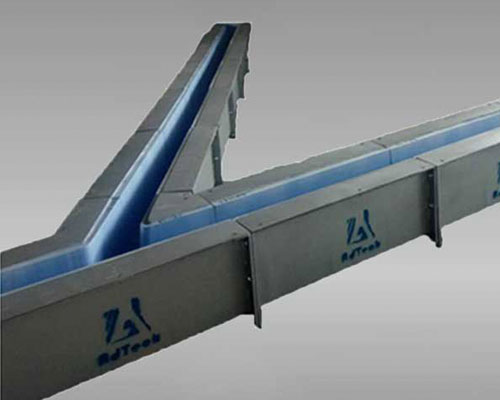
Learn More About Our Launder System
How Is a Launder System Designed for Molten Aluminum Transfer?
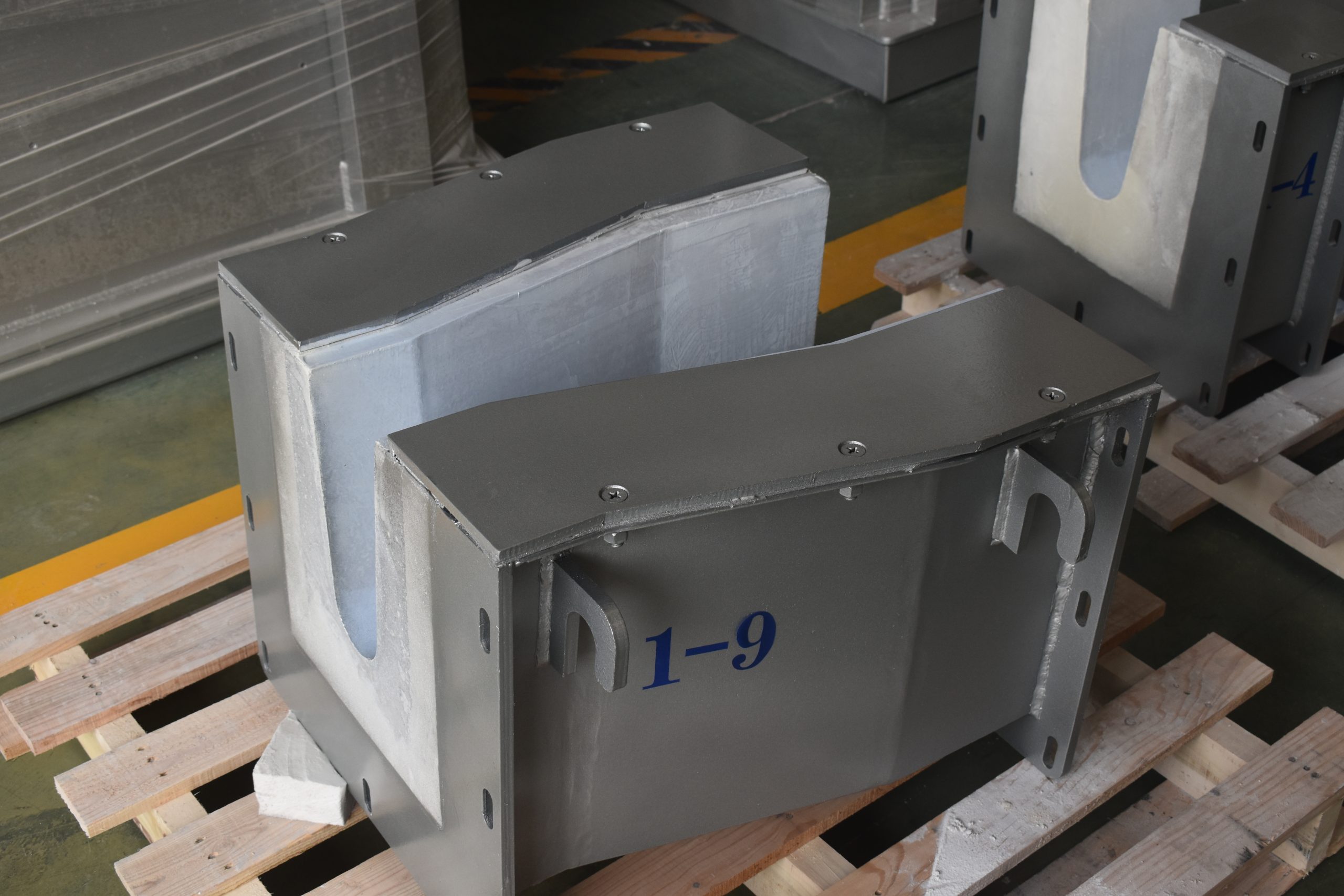
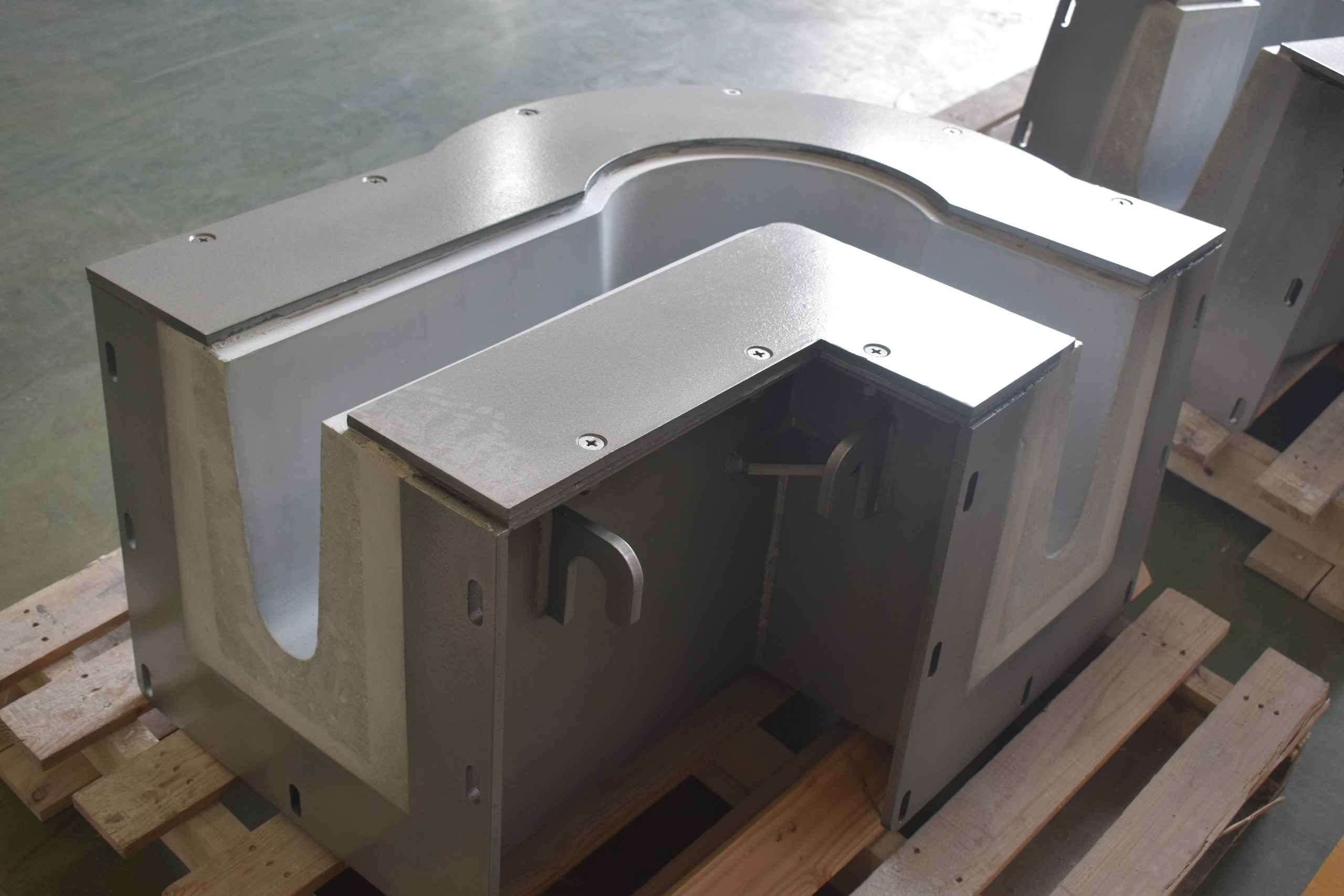
The cross-section of a casting launder is usually designed as an upward-opening U-shaped channel. This structure allows molten aluminum to flow smoothly while providing sufficient space for metal movement and thermal expansion.
The internal surface of the launder is lined with refractory materials that directly contact molten aluminum. Common lining materials include:
- Ceramic refractory composites
- Wear-resistant castable materials
- High-temperature insulating refractories
The refractory lining creates a stable flow channel and protects the outer structure from direct exposure to molten aluminum.
A rounded bottom design is often used because it helps:
- Reduce turbulence during metal flow
- Minimize aluminum accumulation in corners
- Improve cleaning and maintenance efficiency
Why Is Refractory Lining Important in Aluminum Launders?
The refractory lining is one of the most critical components of a molten aluminum launder.
During operation, the lining must withstand:
- Continuous contact with liquid aluminum
- High operating temperatures
- Thermal cycling
- Mechanical wear caused by metal flow
A suitable refractory material provides:
Thermal Protection
The refractory layer reduces heat transfer from molten aluminum to the outer metal shell, helping maintain casting temperature.
Химическая стойкость
The lining prevents excessive reaction between molten aluminum and the launder structure, reducing contamination risks.
Structural Protection
The refractory layer protects the steel shell from direct thermal impact and extends the service life of the launder system.
How Does Launder Insulation Help Maintain Molten Metal Temperature?
A typical aluminum casting launder consists of three main layers:
- Metal shell
Usually made from steel, providing mechanical strength and structural support. - Insulation layer
Located between the refractory lining and steel shell, reducing heat loss. - Refractory lining
Directly contacts molten aluminum and forms the internal flow channel.
The insulation layer is designed to provide better thermal resistance than the refractory lining. This structure helps keep heat inside the molten metal while preventing excessive temperature rise on the outer surface.
Proper insulation design is especially important for long transfer distances, where uncontrolled heat loss can affect casting stability.
Свяжитесь с нами для получения технической консультации
How Does a Launder Control Aluminum Solidification?
During molten aluminum transfer, maintaining the correct temperature balance inside the launder is essential.
If the refractory lining and insulation system are properly designed, the aluminum solidification zone can be controlled within the lining rather than forming on the surface of the flow channel.
A small amount of aluminum may penetrate into the porous refractory structure and solidify inside the lining. This creates a stable protective layer near the aluminum melting point, helping improve interaction between molten aluminum and the refractory surface.
However, excessive heat loss or unsuitable lining materials may lead to:
- Aluminum freezing inside the channel
- Reduced flow efficiency
- Increased maintenance requirements
Therefore, launder design must consider both thermal insulation and heat dissipation.
What Materials Are Used for Casting Launders?
The selection of launder materials depends on:
- Metal type
- Рабочая температура
- Расход
- Service life requirements
- Casting process conditions
For aluminum casting applications, commonly used materials include:
- Refractory castables
- Ceramic fiber insulation
- Wear-resistant ceramic materials
- High-temperature insulating boards
The material combination should provide a balance between thermal insulation, mechanical strength, and resistance to molten aluminum.
Where Are Launder Systems Used in Aluminum Casting?
Launder systems are widely used in:
- Печи для плавки и поддержания температуры алюминия
- Линии непрерывного литья
- Производство прокатных слябов
- Billet casting systems
- Aluminum alloy production plants
They are often installed together with other molten aluminum treatment equipment, such as filtration systems and degassing units, to ensure stable metal delivery before casting.
How to Choose a Suitable Aluminum Casting Launder?
When selecting a launder system, aluminum producers should consider:
Molten Metal Flow Requirements
The channel size and shape should match the required aluminum flow rate to prevent turbulence and overflow.
Регулирование температуры
The refractory and insulation structure should maintain the required casting temperature while minimizing energy loss.
Refractory Performance
The lining material should provide sufficient resistance against aluminum penetration, thermal shock, and chemical attack.
Maintenance Requirements
A well-designed launder should allow easier cleaning, repair, and replacement of worn components.
Заключение
A launder system is a key component in molten aluminum transportation and casting operations. By combining a durable refractory lining, effective insulation structure, and optimized flow channel design, modern casting launders help maintain stable metal temperature and smooth aluminum flow.
For aluminum producers, selecting the right launder design and refractory materials is essential for improving casting reliability, reducing downtime, and achieving consistent product quality.
Часто задаваемые вопросы
1. What is a launder system in aluminum casting?
A launder system is a refractory-lined channel used to transport molten aluminum from furnaces or treatment equipment to casting machines while maintaining stable metal flow and temperature.
2. Why is a refractory lining used in aluminum launders?
A refractory lining protects the launder structure from molten aluminum, reduces heat loss, improves corrosion resistance, and helps maintain consistent casting conditions.
3. What materials are used for aluminum casting launders?
Aluminum casting launders are commonly made with a combination of steel shells, refractory castable linings, and insulating materials designed for high-temperature molten aluminum transfer.
4. How does a launder system reduce molten aluminum temperature loss?
A launder reduces heat loss through its insulation layer and refractory design, which slows heat transfer from molten aluminum to the external environment.
5. What is the purpose of the U-shaped design of a casting launder?
The U-shaped flow channel helps molten aluminum move smoothly, reduces turbulence, prevents metal accumulation, and supports stable metal delivery.
6. Can a launder system affect aluminum casting quality?
Yes. Poor launder design can cause temperature fluctuations, turbulence, and oxidation, which may negatively affect casting stability and final product quality.
7. How long does an aluminum launder system last?
The service life depends on factors such as refractory material quality, operating temperature, aluminum alloy type, flow conditions, and maintenance practices.
8. How do you choose the right launder for molten aluminum?
The selection should consider molten aluminum flow rate, casting temperature, alloy type, transfer distance, insulation requirements, and required service life.
9. What is the difference between a refractory launder and a metal launder?
A refractory launder uses high-temperature lining materials to withstand direct contact with molten aluminum, while a simple metal launder requires additional protection and has lower thermal resistance.
10. Can aluminum launders be used with filtration and degassing systems?
Yes. Launder systems are often integrated with molten aluminum treatment equipment, such as degassing units and filtration systems, to provide stable and clean metal delivery before casting.