
Введение
Керамические пенофильтры широко используются в алюминиевом литье для удаления неметаллических включений, частиц оксидов и примесей из расплавленного алюминия перед литьем. Повышая чистоту расплава, стабилизируя поток металла и сокращая количество дефектов литья, таких как пористость и брак, связанный с включениями, керамические пенофильтры помогают производителям получать заготовки, слябы, прутки и другие алюминиевые изделия более высокого качества с лучшей стабильностью характеристик.
В современном алюминиевом производстве контроль качества расплава является важнейшим этапом между плавкой и литьем. Даже при надлежащем контроле состава сплава и температуры остаточные включения в жидком алюминии могут негативно влиять на механические свойства, качество поверхности и эффективность последующей обработки. Именно поэтому фильтрация с использованием керамической пены стала неотъемлемой частью многих систем подготовки алюминиевого расплава.
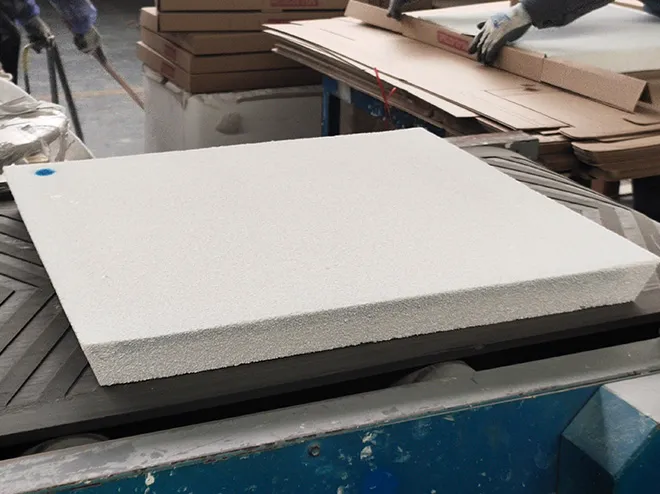
Что такое керамический пенофильтр для литья алюминия?
Керамический пенообразный фильтр (CFF) представляет собой пористое керамическое фильтрующее устройство, предназначенное для очистки расплавленного алюминия путем пропускания жидкого металла через трехмерную структуру взаимосвязанных пор. В ходе этого процесса нежелательные частицы задерживаются внутри фильтра, а очищенный алюминий поступает на этап литья.
В отличие от простых сетчатых фильтров, которые в основном задерживают крупные частицы на поверхности, фильтры из керамической пены обеспечивают глубинная фильтрация. Внутренняя сеть пор образует множество точек фильтрации, что позволяет фильтру улавливать мелкие включения по всей структуре керамики.
Эффективность керамического пенофильтра в основном зависит от:
| Параметр | Описание | Влияние на процесс фильтрации |
|---|---|---|
| PPI (количество пор на дюйм) | Количество пор на один дюйм длины фильтра | Более высокий показатель PPI обеспечивает более тонкую фильтрацию, но увеличивает сопротивление потоку |
| Керамический материал | Оксид алюминия, карбид кремния или плавкий кварц | Определяет химическую стойкость и тепловые характеристики |
| Размер фильтра | Общая площадь фильтрации | Влияет на пропускную способность металла и срок службы |
| Структура пористости | Трехмерные взаимосвязанные поры | Факторы, влияющие на эффективность захвата |
При литье алюминия керамические пенофильтры обычно подбираются с учетом типа сплава, скорости литья, требований к чистоте расплава и стандартов качества конечной продукции.
Нажмите здесь, чтобы перейти на страницу товара
Почему при фильтрации расплавленного алюминия используются керамические пенофильтры?
Почему расплавленный алюминий необходимо фильтровать перед литьем?
Расплавленный алюминий обладает высокой химической активностью при высоких температурах и при контакте с воздухом легко образует оксиды. В процессе плавки, легирования, перемещения из печи и обработки металла в расплав могут попасть различные примеси.
К числу распространенных источников относятся:
- Оксидные пленки, образующиеся при турбулентном перемещении расплава
- Частицы шлака, образующиеся при работе печи
- Огниупорные обломки, образовавшиеся в результате износа футеровки печи
- Посторонние частицы, попадающие в продукт в ходе процессов вторичной переработки
Хотя скимминг и обработка флюсом позволяют удалить некоторые крупные примеси, мелкие включения зачастую остаются во взвешенном состоянии в расплаве. Если эти частицы попадают в процесс литья, они могут стать внутренними дефектами или снизить надежность конечного продукта.
Основная цель фильтрации через керамическую пену заключается не просто в “очистке” алюминия, а в улучшении общей однородности расплава перед затвердеванием.
Какие виды примесей могут удалять керамические пенофильтры?
Керамические пенофильтры в основном предназначены для удаления неметаллических включений, которые ухудшают качество алюминиевых отливок.
| Тип включения | Основной источник | Возможные последствия |
|---|---|---|
| Пленки из оксида алюминия (Al₂O₃) | Воздействие расплава и турбулентность | Снизить механическую прочность и вызвать появление внутренних дефектов |
| Оксидные кластеры | Неправильное обращение с расплавом | Причина несоответствия при литье |
| Частицы шлака | Эксплуатация печи и обработка флюса | Влияют на качество поверхности и эффективность обработки |
| Огнеупорные частицы | Эрозия футеровки печи | Приводит к образованию твердых участков и дефектам продукции |
| Посторонние примеси | Процесс переработки | Увеличить долю отклоненных заявок |
Среди этих примесей особо вредными являются оксидные пленки, поскольку они могут попасть в алюминиевый расплав во время операций по перемещению. Эти оксидные слои могут оставаться внутри готового отливка и служить слабыми местами при экструзии, прокатке или механической обработке.
Пропуская расплавленный алюминий через пористую структуру с контролируемыми характеристиками, керамические пенообразные фильтры помогают улавливать эти примеси до того, как они попадут в литьевую машину.
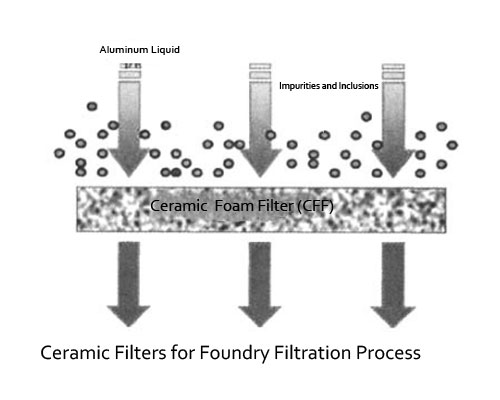
Как керамические пенофильтры удаляют включения из расплавленного алюминия?
В чем заключается принцип действия керамической пенной фильтрации?
Фильтрация с использованием керамической пены основана на сочетании физических механизмов фильтрации, а не на простом задержании частиц.
1. Механический перехват
Более крупные включения не могут пройти через узкие керамические поры и задерживаются внутри структуры фильтра.
2. Глубинная фильтрация
Поскольку керамические пенообразные фильтры содержат взаимосвязанные трехмерные поры, частицы могут задерживаться на разной глубине, а не скапливаться исключительно на поверхности.
3. Прилипание частиц
Мелкие частицы оксида могут оседать на внутренних керамических поверхностях во время прохождения металла, повышая эффективность фильтрации.
4. Стабилизация потока
Пористая структура снижает турбулентность и обеспечивает более стабильный поток алюминия, поступающего в литьевую систему.
Благодаря этому сочетанию керамические пенообразные фильтры эффективно удаляют как видимые загрязнения, так и мелкие включения, которые трудно удалить традиционными методами.
Как керамические пенофильтры улучшают качество литья алюминия?
Может ли фильтрация с использованием керамической пены снизить количество дефектов в алюминиевых отливках?
Керамические пенофильтры играют важную роль в снижении количества дефектов, связанных с низкой степенью очистки расплава. Хотя фильтрация не может заменить надлежащий контроль температуры, дегазацию или управление параметрами литья, она является ключевым этапом в производстве алюминиевой продукции стабильного качества.
| Повышение качества | Эффективность фильтрации с использованием керамической пены |
|---|---|
| Более чистый расплавленный алюминий | Более низкая концентрация неметаллических включений |
| Снижение образования дефектов | Снижение риска сбоев, связанных с включением |
| Более высокое качество поверхности | В зону литья попадает меньше примесей |
| Повышение стабильности технологического процесса | Более равномерное распределение металла во время литья |
| Более высокая стабильность качества продукции | Повышенная производительность при экструзии и прокатке |
При литье заготовок более чистый алюминий позволяет сократить количество дефектов, которые могут возникать в процессе экструзии. При литье слябов и прокатке улучшенное качество расплава способствует улучшению внешнего вида поверхности и повышению надежности материала.
Свяжитесь с нами для получения технической консультации
Как выбрать подходящий керамический пенопластовый фильтр для литья алюминия?
Какой керамический пенопластовый фильтр PPI следует использовать для алюминия?
Выбор значения PPI является одним из важнейших факторов при выборе керамического пенофильтра. Более высокое значение PPI, как правило, обеспечивает более тонкую фильтрацию, но при этом увеличивает перепад давления и снижает пропускную способность металла.
Правильный выбор зависит от производственных требований.
| Заявка | Типичный диапазон PPI | Основные соображения |
|---|---|---|
| Литье алюминиевых заготовок общего назначения | 20–30 PPI | Сбалансированная фильтрация и расход |
| Высококачественная заготовка для экструзии | 30–50 PPI | Более высокие требования к чистоте расплава |
| Литье из вторичного алюминия | 10–30 PPI | Удаление более сильных загрязнений |
| Алюминиевые изделия премиум-класса | 40–60 PPI | Максимальный контроль включения |
К числу других факторов, которые следует учитывать, относятся:
- Состав алюминиевого сплава
- Скорость литья
- Температура металла
- Требуемый уровень чистоты
- Конструкция фильтрующего блока
Недостаточно выбирать керамический пенофильтр, ориентируясь исключительно на показатель PPI. Проект всей системы фильтрации должен соответствовать технологическому процессу.
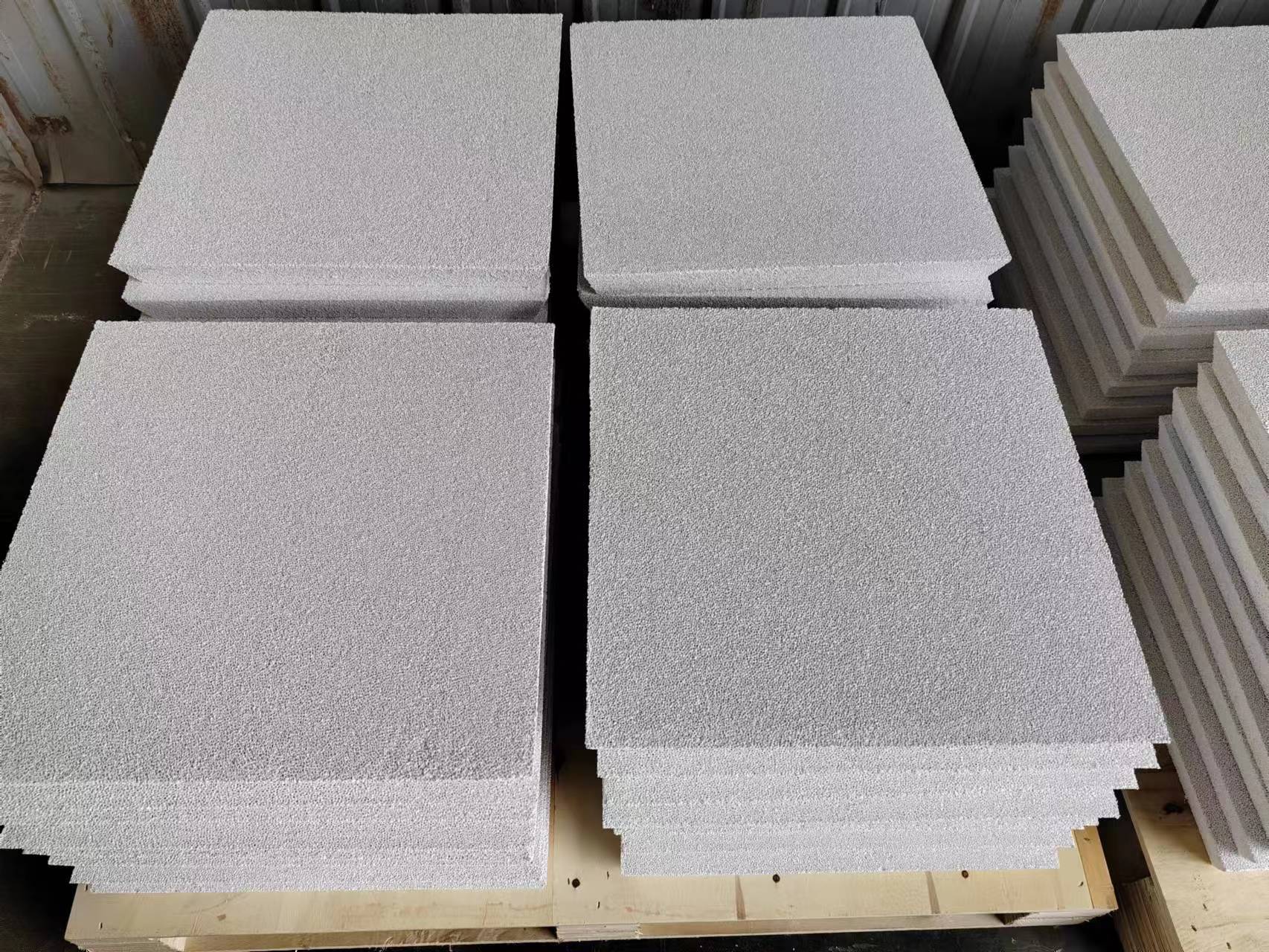
Как керамические пенопластовые фильтры интегрируются в линию по литью алюминия?
Керамические пенопластовые фильтры обычно устанавливаются внутри фильтрующего блока между оборудованием для очистки расплавленного алюминия и литьевой машиной.
Типичная линия по литью алюминия включает в себя:
Плавильная печь
↓
Печь для выдержки
↓
Установка дегазации
↓
Корпус керамического пенного фильтра
↓
Система стирки
↓
Машина для литья
Для обеспечения стабильных характеристик литья фильтрация обычно сочетается с другими процессами обработки расплава, включая удаление водорода и контролируемый перенос металла.
Компания AdTech предлагает комплексные решения по обработке расплава алюминия, в том числе керамические пенные фильтры, фильтрующее оборудование, системы дегазации и системы промывки для производства заготовок, слябов, прутков и литья из вторичного алюминия. Эти системы разработаны, чтобы помочь производителям алюминия повысить чистоту расплава и обеспечить стабильные условия литья.
Заключение
Керамические пенофильтры являются важнейшим компонентом современного литья алюминия, поскольку они повышают чистоту расплава, снижают количество дефектов, связанных с включениями, и обеспечивают более стабильные показатели литья. Благодаря сочетанию глубинной фильтрации, улавливания частиц и стабилизации потока керамическая пенофильтрация помогает производителям алюминия получать конечную продукцию более высокого качества.
Производителям алюминия, стремящимся повысить надежность литья, следует рассмотреть возможность использования керамических пенопластовых фильтров в рамках комплексной стратегии обработки расплава наряду с дегазацией, фильтрующим оборудованием и системами контролируемой подачи расплава. Компания AdTech предоставляет производителям алюминия индивидуальные решения по обработке расплава, разработанные с учетом различных условий литья и производственных требований.
Часто задаваемые вопросы
1. Почему керамические пенопластовые фильтры играют важную роль в литье алюминия?
Керамические пенофильтры играют важную роль, поскольку они повышают чистоту расплавленного алюминия перед литьем, удаляя неметаллические включения, частицы оксидов и взвешенные загрязнения. Более чистый расплавленный алюминий позволяет сократить количество дефектов, связанных с включениями, обеспечить стабильность качества продукции и повысить качество заготовок, слябов, прутков и других алюминиевых литых изделий.
2. Какие примеси могут удалять керамические пенофильтры из расплавленного алюминия?
Керамические пенофильтры способны удалять из расплавленного алюминия различные твердые примеси, в том числе пленки оксида алюминия, скопления оксидов, частицы шлака, обломки огнеупорных материалов и другие неметаллические включения. Если эти примеси останутся в готовом отливке, они могут привести к появлению внутренних дефектов, ухудшению качества поверхности и снижению механических характеристик.
3. Как керамические пенофильтры улучшают качество литья алюминия?
Керамические пенофильтры повышают качество литья за счет уменьшения количества неметаллических включений, попадающих в процесс литья. Трехмерная пористая структура обеспечивает глубинную фильтрацию, позволяя улавливать частицы не только на поверхности фильтра, но и внутри него. Это способствует получению более чистого металла, обеспечению более стабильных условий литья и снижению количества дефектов, связанных с включениями.
4. В чём заключается разница между керамическими пенофильтрами и другими методами фильтрации с использованием алюминия?
По сравнению с сетчатыми фильтрами или простой сетчатой фильтрацией керамические пенофильтры обеспечивают более глубокую и эффективную фильтрацию благодаря взаимосвязанной структуре керамических пор. Они способны улавливать более мелкие включения, а также способствуют стабилизации потока расплавленного алюминия. Для производства высококачественной алюминиевой продукции часто отдают предпочтение фильтрации с использованием керамической пены, поскольку она обеспечивает более стабильную чистоту расплава.
5. Как выбрать подходящий PPI для керамического пенофильтра?
Правильный выбор PPI зависит от области применения литья, требуемой чистоты металла, типа сплава и скорости литья. Фильтры с более низким показателем PPI, как правило, обеспечивают более высокую пропускную способность, тогда как фильтры с более высоким показателем PPI обеспечивают более тщательную фильтрацию. Например, фильтры с показателем 20–30 PPI обычно используются для стандартного литья алюминия, тогда как фильтры с показателем 30–50 PPI часто выбирают для задач, требующих более высокой чистоты расплава, таких как производство экструзионных заготовок премиум-класса.
6. Могут ли керамические пенообразные фильтры удалять водород и предотвращать появление пор в алюминии?
Керамические пенофильтры не способны удалять растворенный водород из расплавленного алюминия, поскольку водород представляет собой растворенный газ, а не твердые включения. Пористость, связанная с водородом, требует отдельного процесса дегазации с использованием азота или аргона. Однако керамические пенофильтры могут способствовать уменьшению других источников дефектов за счет удаления оксидных включений, которые могут приводить к проблемам при литье.
7. Подходят ли керамические пенофильтры для литья из вторичного алюминия?
Да. Керамические пенофильтры широко используются при литье вторичного алюминия, поскольку в расплавах из вторичного сырья обычно содержится больше оксидов, шлака и посторонних частиц. Надлежащая фильтрация способствует улучшению качества расплава и делает вторичный алюминий более подходящим для применений, требующих стабильных характеристик литья.
8. Где следует устанавливать керамический пенопластовый фильтр на линии литья алюминия?
Керамический пенофильтр обычно устанавливается после оборудования для обработки расплавленного алюминия и перед литьевой машиной. Типичная технологическая схема выглядит следующим образом: плавильная печь → печь-держатель → установка дегазации → фильтрующий блок из керамической пены → система литьевых каналов → литьевая машина. Установка фильтрации на этом этапе помогает удалить оставшиеся включения до затвердевания.
9. Как долго можно использовать керамический пенопластовый фильтр при производстве алюминиевых отливок?
Срок службы керамического пенофильтра зависит от размера фильтра, степени чистоты алюминия, скорости литья, типа сплава и условий эксплуатации. Фильтры с большей пропускной способностью и правильно подобранным значением PPI, как правило, обеспечивают более длительный срок службы. В производственных условиях фильтры обычно заменяют при увеличении перепада давления или снижении эффективности фильтрации.
10. Как можно совместить фильтрацию с использованием керамической пены с оборудованием для обработки расплава алюминия?
Фильтрация с использованием керамической пены наиболее эффективна в составе комплексной системы обработки расплава алюминия. Сочетание фильтрации с оборудованием для дегазации, надлежащей системой перекачки расплава и системами контролируемых литьевых каналов обеспечивает более высокое общее качество расплава. Интегрированные решения, такие как те, что предлагает компания AdTech, помогают производителям алюминия получать более чистый металл и добиваться более стабильных показателей литья при производстве заготовок, слябов, прутков и алюминия вторичной переработки.