
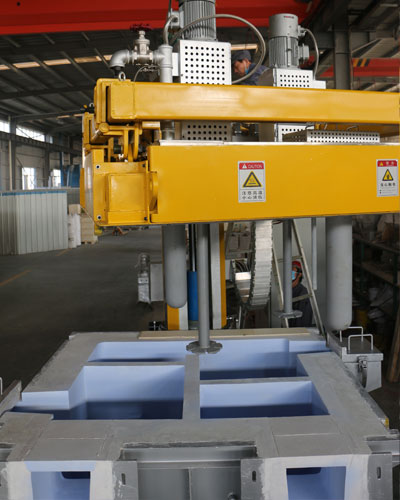
Aluminum degassing with nitrogen is a widely used method for reducing dissolved hydrogen in molten aluminum before casting. Nitrogen is introduced into the melt through a lance, porous diffuser, or rotary degassing rotor, where it is dispersed into fine bubbles. Dissolved hydrogen transfers into these bubbles and is carried out of the melt as they rise. The effectiveness of nitrogen degassing depends on gas quality, bubble dispersion, melt temperature, treatment time, and prevention of moisture pickup.
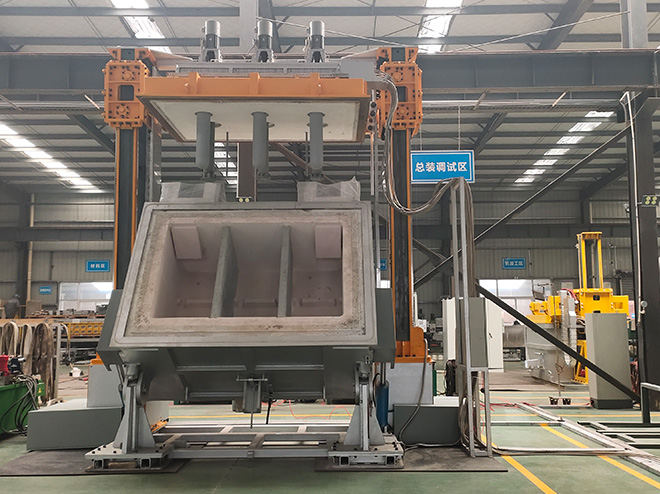
Why Is Nitrogen Used for Aluminum Degassing?
Hydrogen is the gas of greatest practical concern in molten aluminum because it is appreciably soluble in liquid aluminum and its solubility drops sharply as the metal solidifies. Excess dissolved hydrogen can therefore contribute to gas porosity in aluminum castings.
Nitrogen is commonly used as a purge gas because it provides the gas phase needed for hydrogen transfer without being intended to react with the molten metal under normal degassing conditions. Argon is another commonly used choice. Both gases are used in rotary aluminum melt treatment.
The key point is that nitrogen does not “destroy” hydrogen. It provides a carrier-gas phase with low hydrogen partial pressure, allowing dissolved hydrogen to diffuse from the aluminum melt into the gas bubbles.
Where Does the Hydrogen in Molten Aluminum Come From?
Hydrogen pickup is closely linked to moisture.
When molten aluminum is exposed to water vapor, the reaction at the melt surface can generate atomic hydrogen that subsequently dissolves into the metal. Furnace atmosphere, wet charge materials, damp refractories, tools, crucibles, coatings, and other moisture-bearing materials can all contribute to hydrogen pickup.
This means degassing should not be treated as the only hydrogen-control measure. Preventing hydrogen from entering the melt in the first place is equally important.
Before charging or treating the melt, aluminum producers should pay attention to:
- Dry storage of alloying and charge materials
- Proper preheating of tools and crucibles
- Dry furnace and refractory surfaces
- Correct storage and handling of fluxes and additions
- Properly dried degassing equipment and gas-delivery components
How Does Nitrogen Degassing Remove Hydrogen?
The mechanism can be summarized as:
Nitrogen injection → bubble dispersion → hydrogen transfer → bubble flotation → gas escape
Nitrogen enters the molten aluminum through a submerged injection device or rotary rotor.
In rotary degassing, the rotor breaks the incoming nitrogen into a large number of small bubbles and distributes them through the melt. The large gas-liquid interfacial area created by these bubbles provides more opportunity for dissolved hydrogen to transfer into the gas phase.
As the bubbles move upward, they carry hydrogen toward the melt surface. When they reach the surface, the gas escapes from the aluminum.
How Does a Rotary Nitrogen Degassing Unit Work?
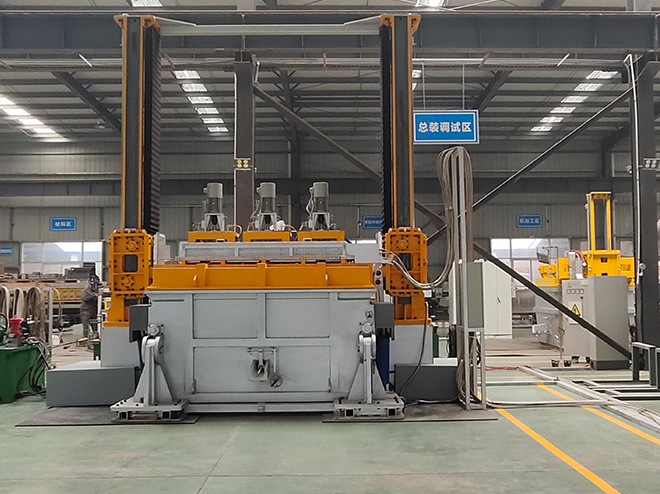
A rotary nitrogen degassing system normally includes a gas supply, gas-control system, rotating shaft, and rotor immersed in molten aluminum.
The basic sequence is:
- Nitrogen enters the degassing system.
- The rotor disperses the gas into fine bubbles.
- The bubbles circulate through the molten aluminum.
- Dissolved hydrogen transfers into the bubbles.
- Hydrogen-rich bubbles rise to the surface and escape.
The rotor is important because simply injecting a large stream of gas does not necessarily produce an effective degassing process. Bubble size and dispersion are strongly influenced by rotor design, rotation speed, gas flow, and melt conditions. Experimental and modeling work on rotary impeller degassing has shown that fine, widely dispersed bubbles increase the available gas-liquid interface for hydrogen removal.
Why Does Nitrogen Quality Matter?
The gas entering the aluminum melt should be clean and dry.
Moisture in the gas-delivery system can work against the purpose of degassing by introducing an additional source of hydrogen into the melt. Therefore, gas purity alone is not enough; the complete gas supply system must also be kept dry.
ومن بين الاعتبارات المهمة ما يلي:
- Nitrogen purity appropriate for the process
- Low moisture in the gas supply
- Dry gas pipes and connections
- Properly maintained pressure-control equipment
- No condensation in the gas-delivery system
A fixed purity value such as 99.99% should not be treated as a universal requirement for every aluminum plant. The appropriate gas specification should follow the degassing equipment and the plant’s melt-quality requirements.
Nitrogen vs. Argon for Aluminum Degassing
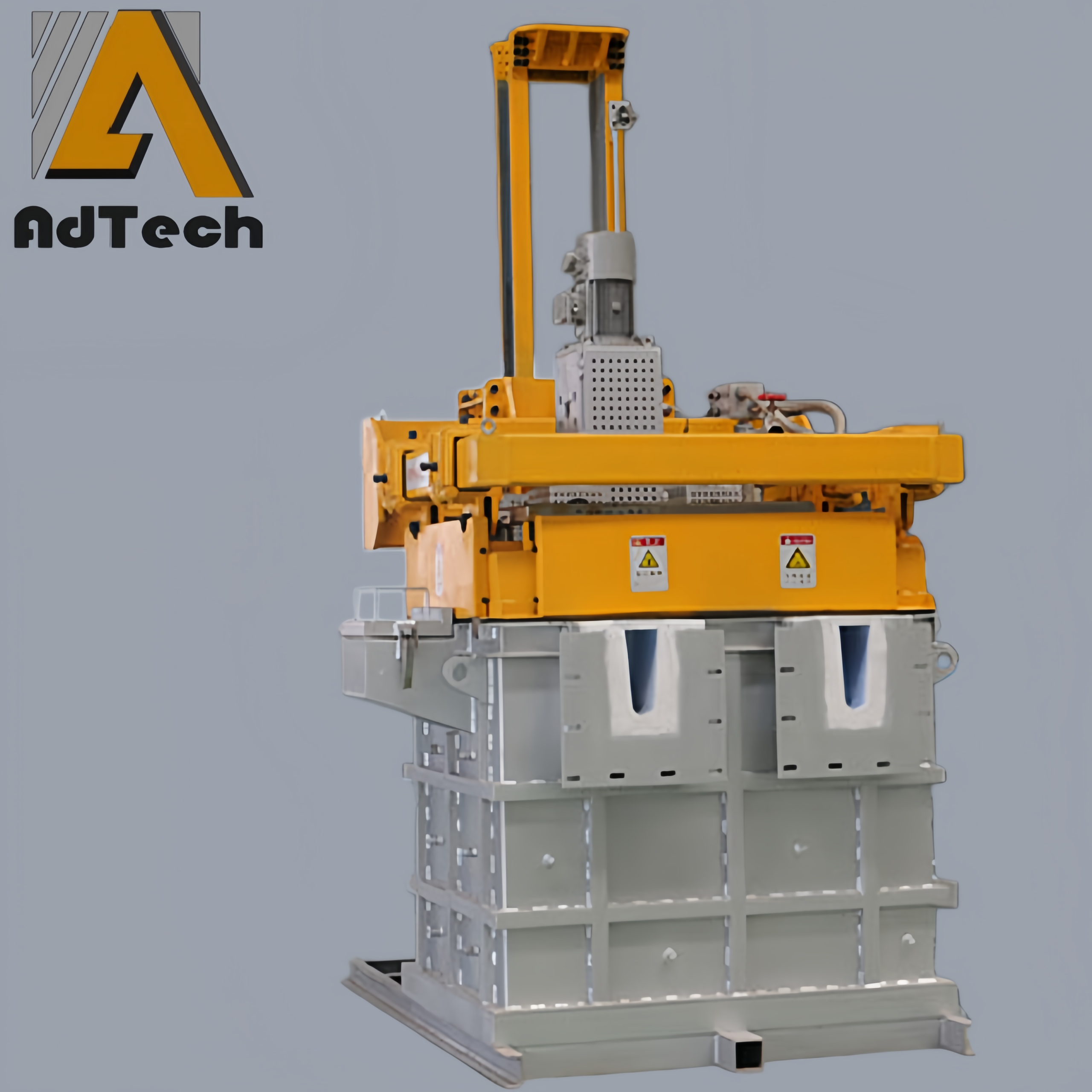
Both nitrogen and argon are widely used for rotary aluminum degassing. Their practical performance depends not only on gas type, but also on the equipment and operating conditions. Studies of rotary impeller degassing have reported effective hydrogen removal using both gases.
| العامل | النيتروجين | الأرجون |
|---|---|---|
| Use in aluminum degassing | Common | Common |
| Role | Carrier/purge gas | Carrier/purge gas |
| Hydrogen removal mechanism | Gas-liquid mass transfer | Gas-liquid mass transfer |
| Bubble dispersion | Depends on rotor and process | Depends on rotor and process |
| Selection factors | Gas availability, cost, process requirements | Gas availability, cost, process requirements |
For many plants, the choice is a practical engineering decision based on gas supply, operating cost, equipment requirements, and required melt quality rather than a simple rule that one gas is always superior.
How Do Gas Flow and Bubble Size Affect Degassing?
More gas does not automatically mean better degassing.
The objective is to create a well-dispersed population of bubbles with sufficient residence time in the melt. Excessive gas flow can increase turbulence and may produce less stable bubble behavior, while insufficient flow may limit treatment capacity.
Important variables include:
- Nitrogen flow rate
- سرعة الدوار
- Rotor geometry
- Melt depth
- مدة العلاج
- درجة حرارة الانصهار
- Initial hydrogen concentration
Because these variables interact, the correct settings should be established for the specific alloy, melt volume, and equipment rather than copied from another plant.
Does Nitrogen Degassing Remove Inclusions?
Its primary purpose is hydrogen removal.
Rising bubbles can interact with some non-metallic inclusions and promote their flotation under suitable conditions. Research on rotary impeller degassing has documented both hydrogen and particle removal, but inclusion removal is influenced by particle behavior, bubble interaction, clustering, and melt circulation.
Therefore, nitrogen degassing should not replace a dedicated filtration step when low inclusion content is required.
A typical melt-treatment line is:
Holding Furnace → Nitrogen Degassing → Ceramic Foam Filter → Launder → Casting
Degassing addresses dissolved hydrogen, while the filter provides controlled removal of suspended non-metallic inclusions.

What Should Be Done Before Nitrogen Degassing?
Good degassing starts before the rotor is switched on.
Keep the Charge Dry
Wet scrap, ingot, alloy additions, and tools can introduce hydrogen into the melt. Dry storage and suitable preheating are basic hydrogen-control measures.
Check the Furnace and Refractories
Moisture in furnace linings, crucibles, coatings, and refractory components should be eliminated before contact with molten aluminum.
Check the Gas System
Nitrogen supply lines, regulators, hoses, and connections should be clean and dry. Condensation or leaks can compromise gas quality.
Control Melt Temperature
Degassing should be performed within the appropriate process temperature range for the alloy and casting operation. Temperature affects hydrogen solubility, melt flow, and treatment behavior.
Avoid Excessive Turbulence
The purpose of rotary treatment is controlled bubble dispersion and melt circulation, not aggressive stirring. Excessive turbulence can increase oxide-film entrainment.
Can Nitrogen Degassing Be Used in Continuous Casting?
Yes. Nitrogen can be used in on-line rotary degassing systems installed directly in continuous aluminum casting lines.
Instead of treating one furnace batch and then stopping the process, molten aluminum passes through the degassing unit as part of the normal metal flow.
A typical arrangement is:
Holding Furnace → On-Line Rotary Degassing → Filtration → Launder → Casting Machine
This configuration is particularly useful when the plant requires continuous melt treatment and stable process conditions over long production runs.
How Can Hydrogen Removal Be Verified?
The result of nitrogen degassing should be verified with an appropriate melt-quality measurement rather than judged only from the visible appearance of the bubbles.
Common approaches include hydrogen measurement systems and the Reduced Pressure Test (RPT), which is widely used to evaluate the gas-related quality of molten aluminum. Research on aluminum degassing has also used density index measurements to compare melt condition before and after treatment.
The important point is to compare measurements under consistent sampling and test conditions so that process changes can be evaluated reliably.
Key Factors for Effective Nitrogen Degassing
| العامل | لماذا هذا مهم؟ |
|---|---|
| Nitrogen quality | Prevents unnecessary moisture pickup |
| تدفق الغاز | Controls treatment intensity |
| Rotor design | Determines bubble generation and dispersion |
| سرعة الدوار | Affects mixing and bubble breakup |
| درجة حرارة الانصهار | Influences hydrogen behavior and fluidity |
| مدة العلاج | Determines hydrogen-removal opportunity |
| Melt condition | Affects initial hydrogen level |
| Moisture control | Prevents hydrogen pickup |
| الترشيح | Handles non-metallic inclusions separately |
Effective aluminum degassing is therefore not simply a matter of “adding nitrogen.” It is a combination of dry melt preparation, controlled gas injection, effective bubble dispersion, and verification of the final hydrogen level.
الأسئلة الشائعة
1. What is aluminum degassing with nitrogen?
It is a molten aluminum treatment method in which nitrogen is dispersed into the melt to form gas bubbles that collect dissolved hydrogen and carry it out of the melt.
2. Why is nitrogen used to degas aluminum?
Nitrogen provides a gas phase into which dissolved hydrogen can transfer. It is also widely available for industrial melt treatment.
3. Does nitrogen react with aluminum during degassing?
Under normal aluminum melt degassing conditions, nitrogen is used as an inert purge gas rather than as a reactive treatment gas.
4. هل يمكن تخصيص منتج مرشح خزفي مسامي؟
Yes. Dissolved hydrogen can transfer from the aluminum melt into nitrogen bubbles as they pass through the metal.
5. Is nitrogen better than argon for aluminum degassing?
Neither gas is universally better. Both are widely used, and the practical choice depends on gas supply, cost, equipment, and process requirements.
6. What causes hydrogen to enter molten aluminum?
Moisture is a major source. Furnace atmosphere, wet charge materials, refractories, tools, crucibles, and other damp materials can contribute to hydrogen pickup.
7. Does nitrogen degassing remove oxide inclusions?
It can promote flotation of some inclusions, but filtration remains the primary controlled method for removing suspended non-metallic inclusions.
8. What purity should nitrogen have for aluminum degassing?
The required specification depends on the equipment and process. More important than using one universal purity number is ensuring that the gas is clean, dry, and suitable for the degassing system.
9. Can nitrogen be used in an on-line degassing unit?
Yes. Nitrogen can be introduced through an on-line rotary degassing unit to treat molten aluminum continuously before filtration and casting.
10. How do you know whether nitrogen degassing is effective?
Hydrogen measurement, RPT, or other validated melt-quality testing can be used to compare the melt before and after treatment. Operating parameters should also be recorded and controlled.
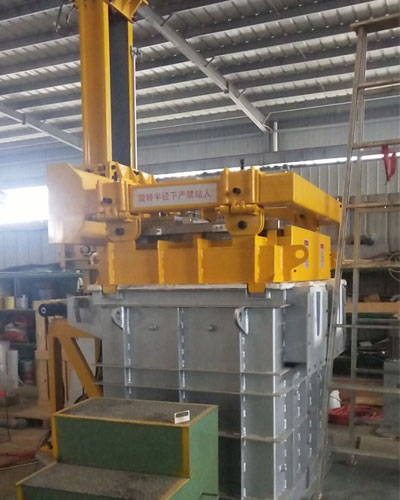
مقالات ذات صلة:
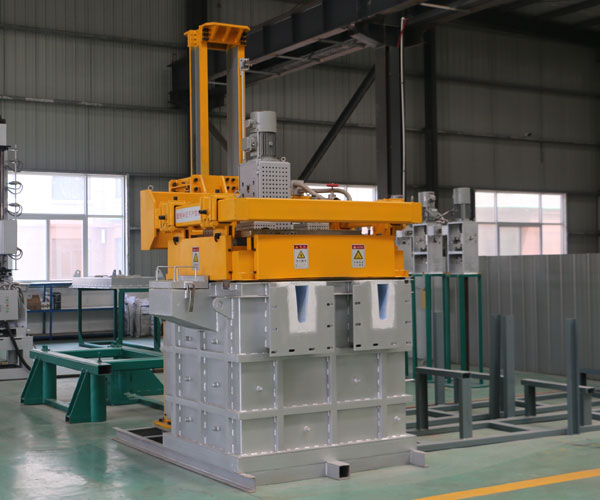 آلة إزالة الغازات من الألومنيوم
 معدات التكرير عبر الإنترنت
 وحدة إزالة الغازات الدوارة
 جهاز إزالة الغازات من الألومنيوم المنصهر
 نظام إزالة الغازات من المعادن
 نقاء المعدن المنصهر
 إزالة الغازات بالدوران
 معدات إزالة الغازات
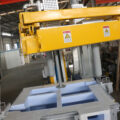 جهاز إزالة الغازات الدوار
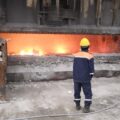 إزالة غازات الهيدروجين
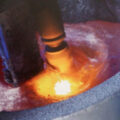 طرق إزالة الغازات عبر الإنترنت
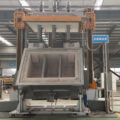 جهاز إزالة الغازات ثلاثي الدوارات