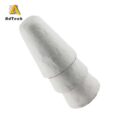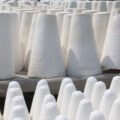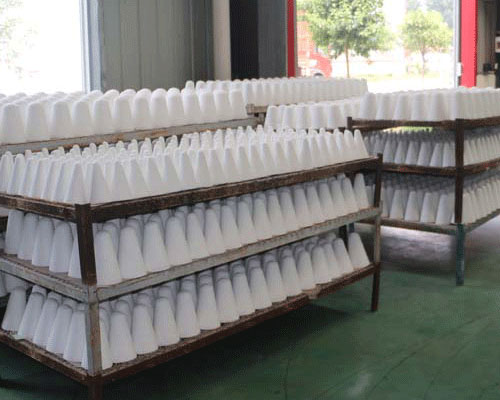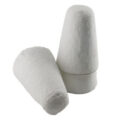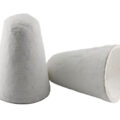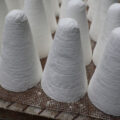
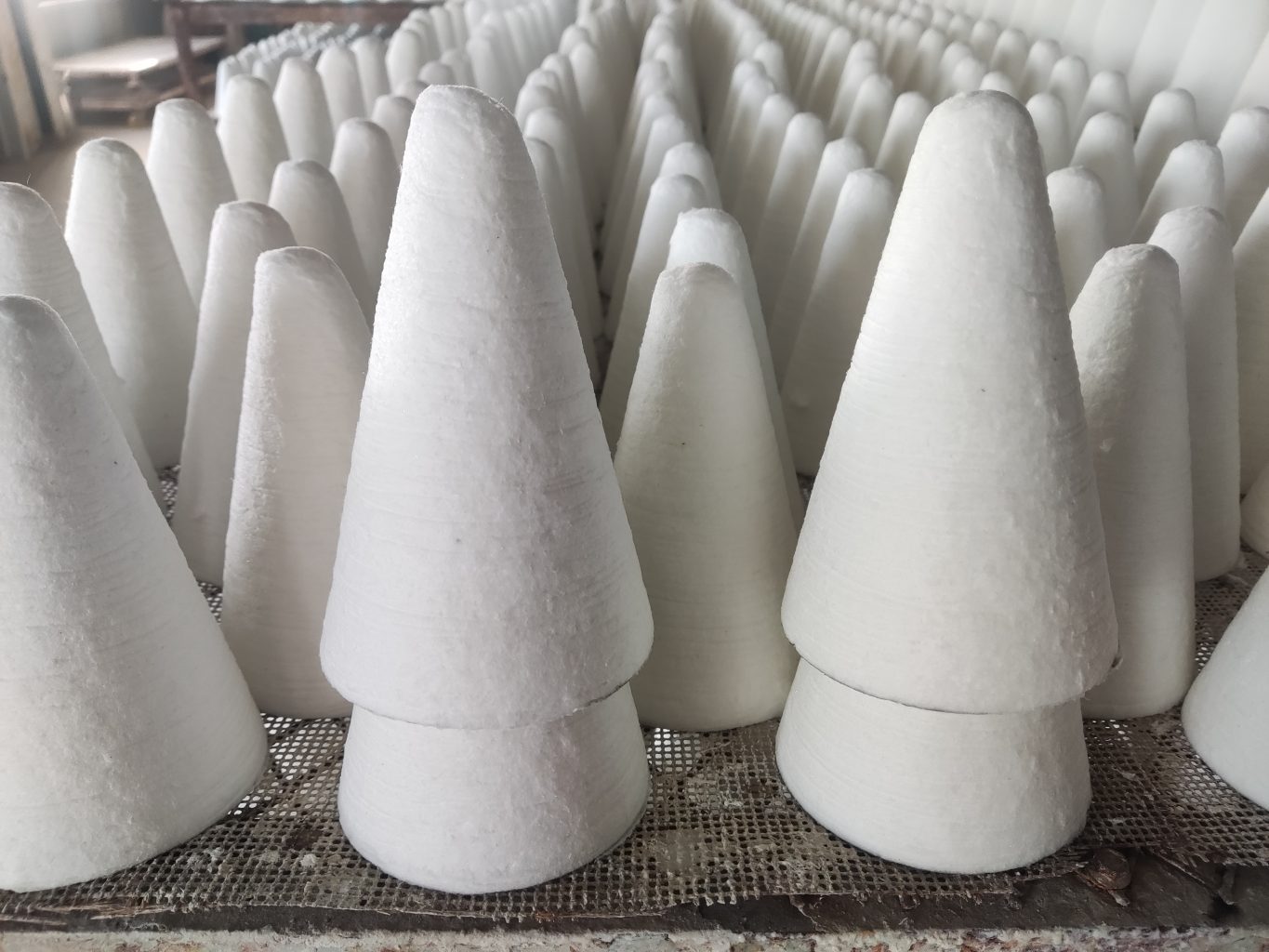
Выпускные конусы — это высокотемпературные огнеупорные заглушки, используемые для герметизации и регулирования выпускных отверстий расплавленного алюминия в плавильных печах, печах-нагревателях и литейных системах. Изготовленные из керамического волокна, сформированного в вакууме, они обеспечивают превосходную теплоизоляцию, стойкость к термическим ударам и стабильность размеров для сложных процессов литья алюминия.
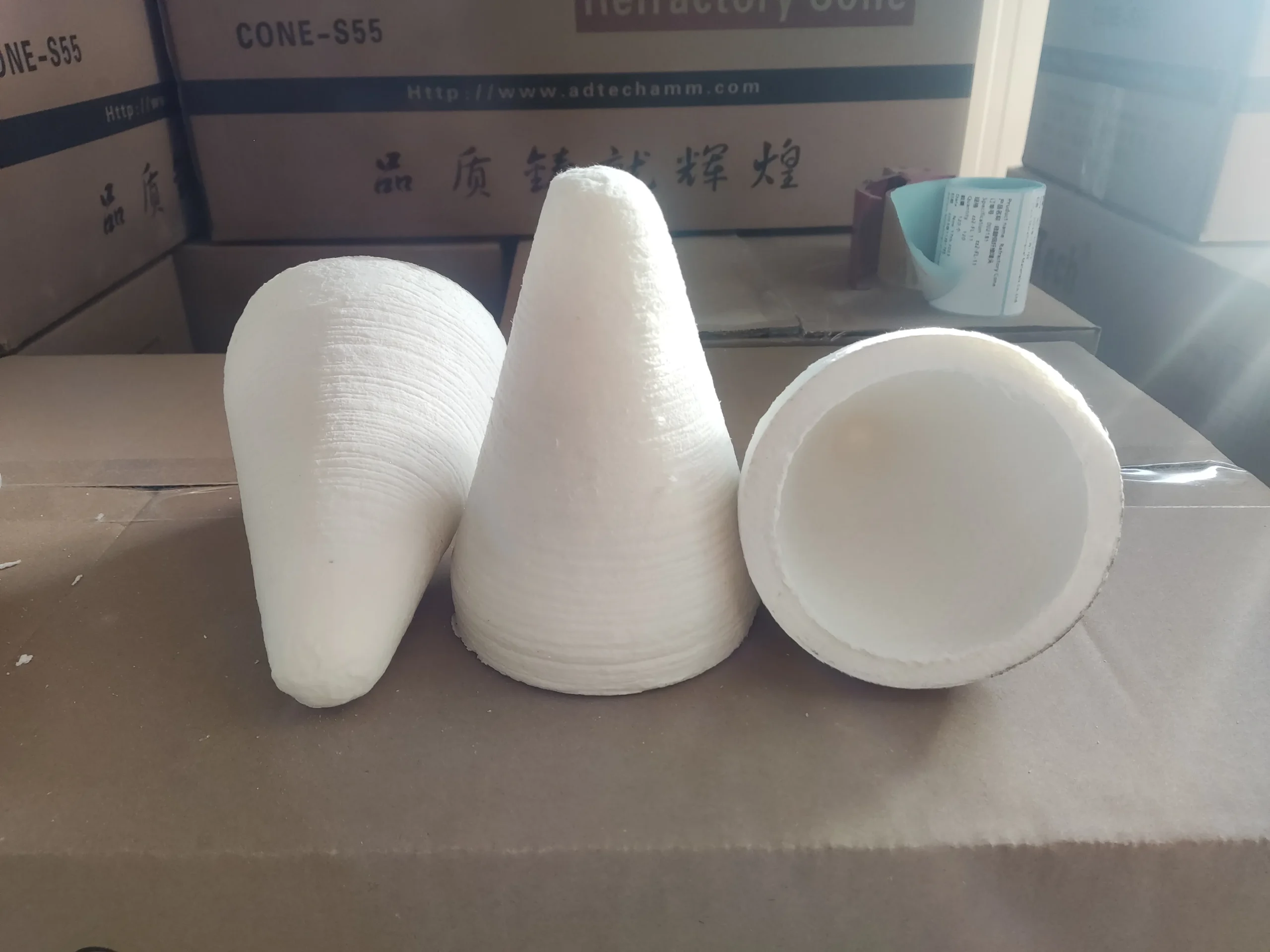
Узнайте больше о нашем конусе Tap Out
Для чего используются выпускные конусы при литье алюминия?
A конус для отвода воды — это огнеупорный элемент, устанавливаемый на выпускном отверстии печей для плавки алюминия и печей-держателей. Его основная функция заключается во временной перекрывке выпускного отверстия для расплавленного алюминия и регулировании подачи расплава во время литейных операций.
При производстве алюминия стабильный поток расплавленного металла имеет решающее значение для обеспечения качества литья. Неподходящий уплотнительный элемент на выпускном отверстии может привести к утечке алюминия, нестабильному потоку металла, чрезмерному окислению и увеличению объема технического обслуживания.
Конусы для отработки ударов также известны как:
- Конусы для пробивания отверстий
- Заглушки из керамического волокна
- Конусы из огнеупорного волокна
- Выпускные заглушки для алюминиевых печей
- Огнеупорные изделия, изготовленные методом вакуумной формовки
Хотя в разных отраслях могут использоваться разные названия, цель остается той же: обеспечение надежного высокотемпературного уплотнения для контроля расплавленного алюминия.
По сравнению с традиционными плотными огнеупорными заглушками, конусы для вытаскивания из керамического волокна обладают более низкой теплопроводностью, меньшей теплоемкостью и лучшей стойкостью к термическим ударам. Благодаря этим характеристикам они подходят для частых циклов нагрева и охлаждения в печах для литья алюминия.
Свяжитесь с нами для получения технической консультации
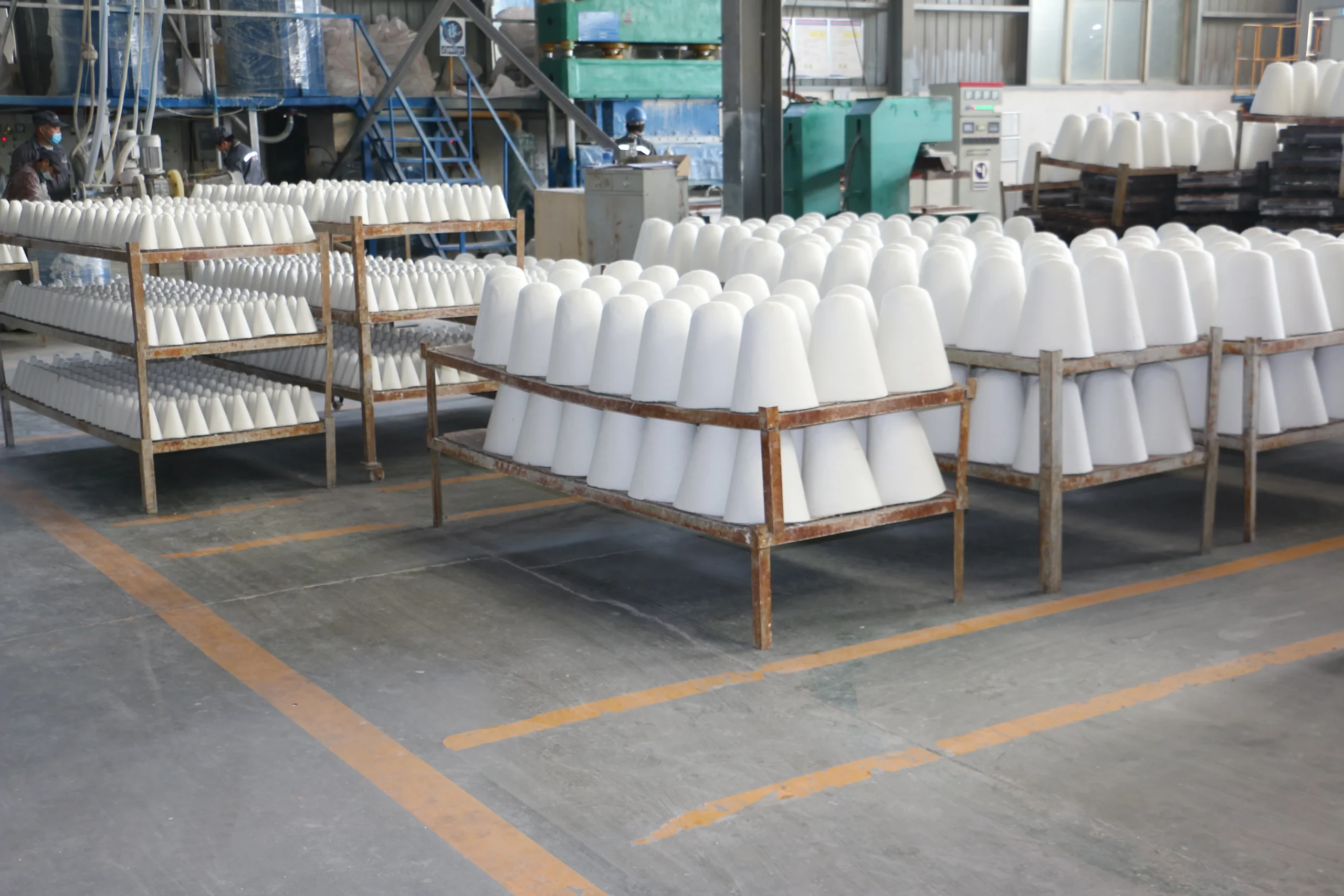
Как работают конусы для выбивания из керамического волокна?
Во время работы печи в алюминиевый выпускной патрубок вставляется конус, предотвращающий вытекание расплавленного металла. Специально разработанная форма конуса обеспечивает плотное прилегание к конструкции выпускного патрубка, создавая стабильный уплотняющий эффект.
Когда требуется перекачка алюминия, операторы снимают конус, позволяя расплавленному алюминию поступать в последующие технологические процессы, такие как:
- Системы стирки
- Оборудование для дегазации
- Системы фильтрации
- Литейные машины
Надежный конус для разливки из алюминиевой печи помогает поддерживать стабильные условия переноса металла до того, как алюминий поступает на последующие этапы обработки.
В рамках полного цикла обработки расплава алюминия конусы для слива работают в комплексе с другими ключевыми компонентами. Например, фильтрация через керамическую пену способствует удалению неметаллических включений, а оборудование для дегазации снижает содержание растворенного водорода в расплаве алюминия.
Из каких материалов изготавливаются конусы для выбивания?
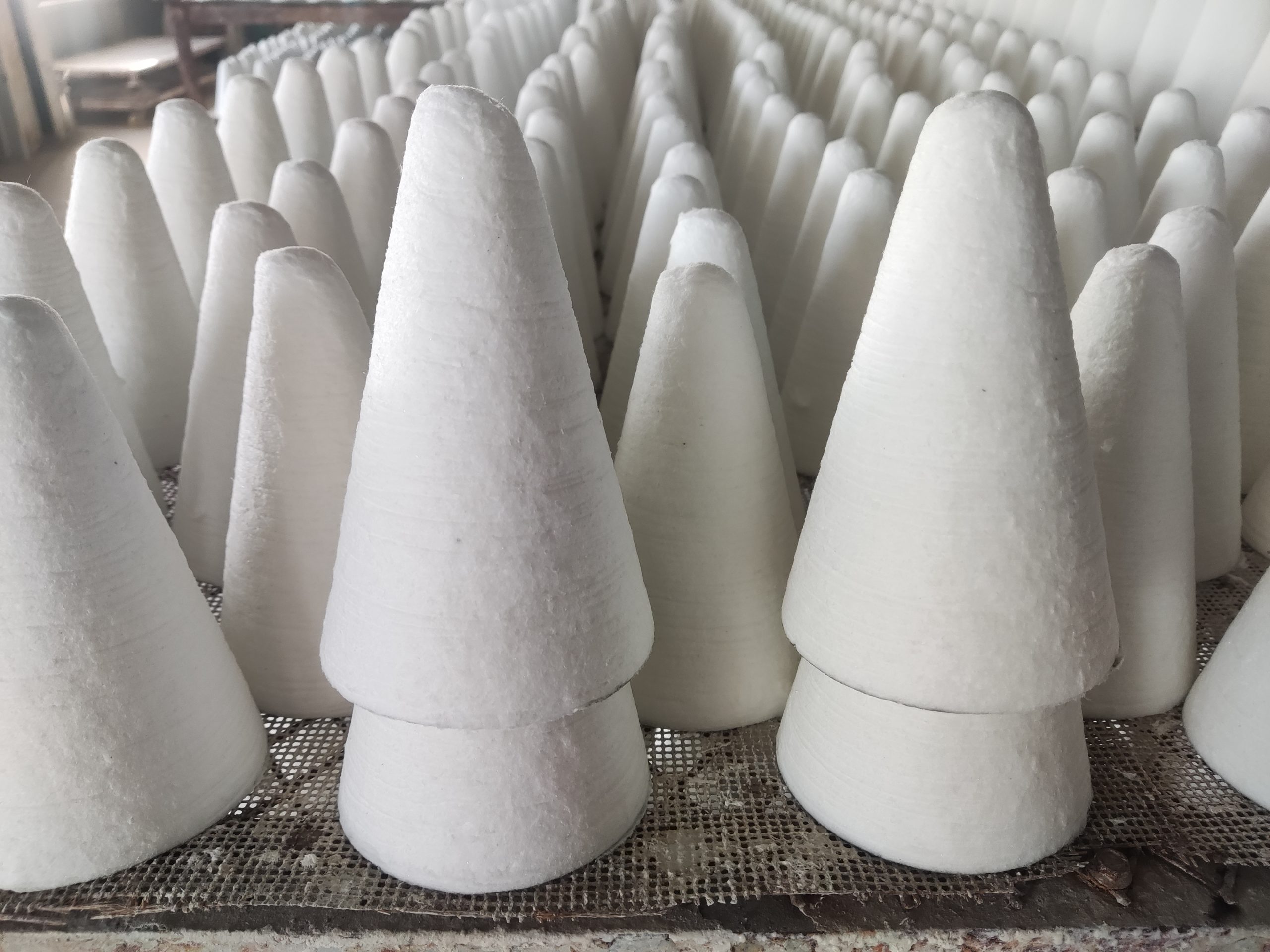
Большинство промышленных конусы для вытаскивания из керамического волокна изготавливаются из высокотемпературных керамико-волокнистых материалов благодаря их превосходным теплоизоляционным свойствам и легкой конструкции.
Компания AdTech использует материалы из керамического волокна, термостойкость которых составляет до примерно 1260 °C. С помощью технологии вакуумного формования волокна преобразуются в огнеупорные детали индивидуальной формы с контролируемой плотностью и точными размерами.
К основным преимуществам керамического волокна относятся:
| Недвижимость | Преимущество |
|---|---|
| Стойкость к высоким температурам | Сохраняет стабильность в условиях печи |
| Низкая теплопроводность | Снижает теплопотери вокруг выпускного отверстия |
| Легкая конструкция | Более простая установка и замена |
| Устойчивость к термическим ударам | Снижает риск появления трещин при перепадах температуры |
| Низкая усадка | Сохраняет первоначальную форму во время эксплуатации |
| Хорошая стойкость к эрозии | Увеличивает срок службы в условиях работы с расплавленным алюминием |
По сравнению с традиционными огнеупорными материалами керамическое волокно обеспечивает более оптимальный баланс между теплоизоляционными характеристиками и удобством эксплуатации.
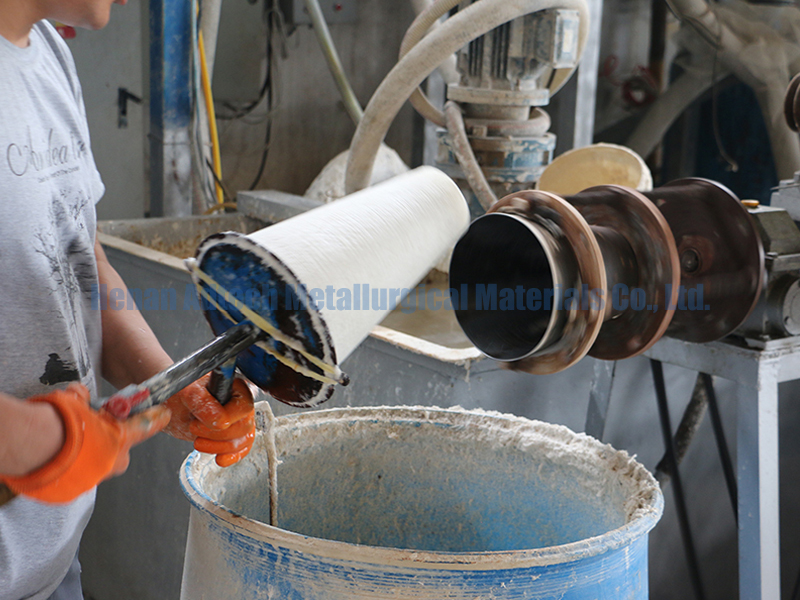
Как изготавливаются вакуумноформованные конусы для слива?
Технология изготовления напрямую влияет на эксплуатационные характеристики огнеупорный конус для разливки.
Компания AdTech производит конусы для отвода жидкости методом влажной вакуумной формовки. Данный метод позволяет равномерно распределять керамические волокна внутри форм, изготовленных по индивидуальному заказу, что обеспечивает стабильную структуру и точные размеры изделий.
Производственный процесс включает в себя:
Подготовка керамического волокна
Высококачественное сырье из керамического волокна отбирается и смешивается в соответствии с требуемыми эксплуатационными характеристиками. Состав волокон влияет на прочность, теплоизоляционные свойства и устойчивость к термическим ударам.
Вакуумная формовка
Смесь волокон помещается в специально разработанную форму. Под действием вакуумного давления из нее удаляется избыток воды, и волокна спрессовываются в нужную форму.
Данный процесс обеспечивает:
- Точные размеры
- Равномерное распределение волокон
- Гладкая поверхность
- Индивидуальные дизайны
Сушка и контроль качества
После формовки каждое изделие подвергается сушке и проверке на точность размеров и целостность конструкции.
Контроль качества направлен на:
| Пункт проверки | Цель |
|---|---|
| Точность размеров | Обеспечивает правильное подключение выпускного патрубка печи |
| Состояние поверхности | Предотвращает появление трещин и выпадение волокон |
| Постоянство плотности | Обеспечивает стабильную производительность |
| Прочность конструкции | Обеспечивает удобство в обращении и возможность многократного использования |
В чём заключаются основные особенности конусов AdTech Tap Out?
AdTech конусы для алюминиевых литейных печей разработаны с учетом промышленных требований к долговечности, теплоизоляции и надежности.
К основным особенностям относятся:
Индивидуальные размеры
Различные печи имеют разные конструкции выпускных отверстий. Компания AdTech поставляет огнеупорные изделия индивидуальной формы в соответствии с чертежами заказчика и требованиями конкретного применения.
Превосходная теплоизоляция
Конструкция из керамического волокна снижает теплопередачу и способствует минимизации теплопотерь в районе выхода печи.
Хорошая механическая стабильность
Оптимизированный процесс формовки обеспечивает необходимую твердость и вязкость, благодаря чему изделие выдерживает монтаж, демонтаж и многократные рабочие циклы.
Устойчивость к воздействию расплавленного алюминия
Конструкция материала обеспечивает хорошую стойкость к эрозии, вызванной контактом с расплавленным алюминием, что способствует поддержанию стабильных уплотнительных характеристик.
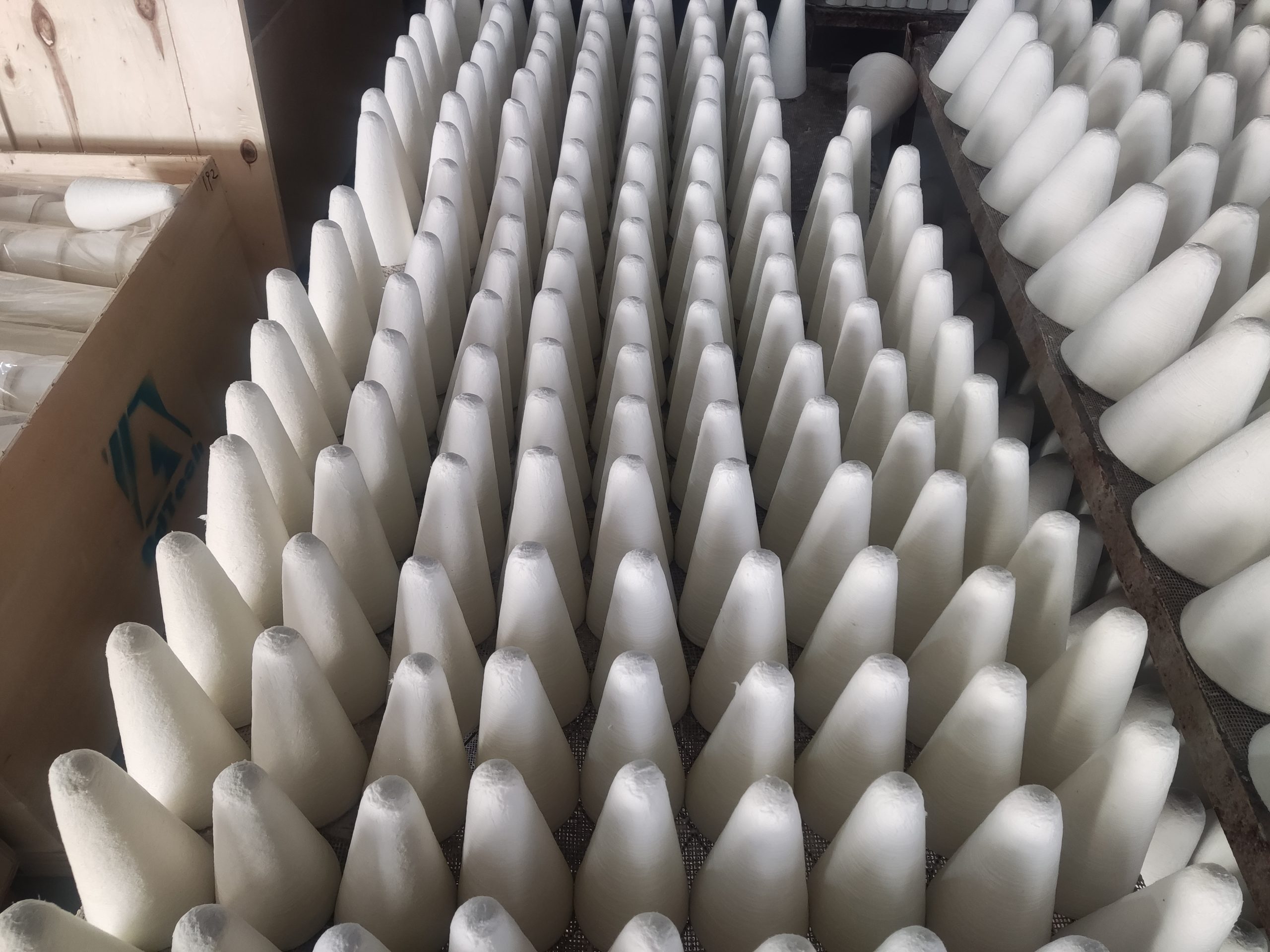
Где применяются конусы «Tap Out»?
Сливные конусы широко используются на заводах по литью алюминия, особенно в технологических процессах, требующих контролируемого слива расплавленного алюминия.
К типичным областям применения относятся:
| Заявка | Функция |
|---|---|
| Печь для плавки алюминия | Герметизирует выпускное отверстие печи во время плавки |
| Печь для выдержки | Осуществляет контроль за подачей алюминия на литьевое оборудование |
| Печь для рафинирования | Обеспечивает термостойкое уплотнение розетки |
| Линейки по литью заготовок и прутков | Обеспечивает стабильную подачу расплавленного алюминия |
| Печь для переработки алюминия | Обеспечивает вывод металла при высоких температурах |
Для современных производителей алюминия конусы для слива расплава являются важной частью эксплуатации печей. В сочетании с оборудованием для обработки алюминиевого расплава они способствуют повышению стабильности технологического процесса и снижению эксплуатационных рисков.
Как правильно выбрать конус для алюминиевой печи?
Выбор правильного конус для алюминиевых печей требует учета следующих факторов:
| Коэффициент отбора | Рассмотрение |
|---|---|
| Тип печи | Плавильная печь, печь-держатель или доочистительная печь |
| Размер выпускного отверстия | Определяет размеры конуса |
| Рабочая температура | Влияет на выбор материала |
| Частота использования | Влияет на требуемую долговечность |
| Способ установки | Определяет структуру продукта |
Подходящий конус для выталкивания должен обеспечивать надёжное уплотнение без чрезмерного теплового расширения или механических повреждений.
Для специальных конструкций печей — индивидуальные решения огнеупорные изделия, изготовленные методом вакуумной формовки обычно предпочитаются, поскольку обеспечивают лучшую совместимость с реальными условиями эксплуатации.
Свяжитесь с нами для получения технической консультации
Почему стоит выбрать конусы AdTech Tap Out?
Компания AdTech специализируется на производстве средств для обработки алюминиевого расплава и огнеупорных решений для алюминиевой литейной промышленности.
Благодаря технологии вакуумного формования и контролируемым производственным процессам компания AdTech выпускает конусы для вытаскивания из керамического волокна, предназначенные для:
- Печи для плавки алюминия
- Печи для выдержки
- Системы литья
- Промышленные линии по производству алюминия
Помимо огнеупорных компонентов, компания AdTech также предлагает комплексные решения по обработке расплава алюминия, в том числе фильтры из керамической пены, установки дегазации, и системы стирки для обеспечения более экологичной обработки металла и более стабильных характеристик литья.
Благодаря сочетанию знаний в области материалов, производственных возможностей и опыта применения компания AdTech поставляет надёжные огнеупорные изделия, отвечающие требованиям современных предприятий по литью алюминия.
Часто задаваемые вопросы
1. Для чего используется выпускной конус при литье алюминия?
A конус для отвода воды — это высокотемпературная огнеупорная заглушка, используемая для герметизации и регулирования выпускного отверстия для алюминия в плавильных и выдерживающих печах. Она предотвращает утечку расплавленного алюминия и помогает операторам безопасно регулировать поток металла во время литья алюминия.
2. Являются ли конусы для вытачивания резьбы и конусы для резьбовых отверстий одним и тем же изделием?
Да. Уберите конусы и конусы для отводов Как правило, под этим термином подразумевается один и тот же тип огнеупорного элемента, используемого для герметизации выпускного отверстия печи. Другие распространенные названия включают керамические волокнистые пробки, конусы из огнеупорного волокна и алюминиевые пробки для выпускного отверстия печи.
Терминология может варьироваться в зависимости от региона или отраслевой практики, но функция остается той же: регулирование подачи расплавленного алюминия.
3. Из какого материала изготавливаются алюминиевые конусы для разливки из печи?
Большинство конусы для разливки из алюминиевой печи изготавливаются из высокотемпературных керамико-волокнистых материалов.
Керамическое волокно широко используется, поскольку оно обладает следующими свойствами:
- Отличная теплоизоляция
- Низкая теплопроводность
- Легкая конструкция
- Хорошая термостойкость
- Стойкость к эрозии расплавленным алюминием
Благодаря этим свойствам керамическое волокно подходит для использования в условиях многократного нагрева и охлаждения в печах для литья алюминия.
4. Какую температуру выдерживают конусы из керамического волокна?
Термостойкость конус для вытаскивания из керамического волокна зависит от марки материала, плотности и условий эксплуатации печи.
Конусы AdTech для отвода пара изготавливаются из высокотемпературных керамиковолокнистых материалов, обладающих термостойкостью до примерно 1260 °C, благодаря чему они подходят для печей плавки алюминия, печей выдержки и литейных процессов.
5. Как изготавливаются конусы для отвода?
Промышленный выбить конусы обычно изготавливаются методом вакуумной формовки.
В процессе производства керамические волокна формируются внутри специальных форм под вакуумным давлением с целью обеспечения:
- Точные размеры
- Равномерное распределение волокон
- Устойчивая конструкция
- Гладкая поверхность
Данный процесс позволяет производителям изготавливать огнеупорные изделия индивидуальной формы в соответствии с различными конструкциями выпускных отверстий печей.
6. Как выбрать подходящий конус для алюминиевой печи?
Выбор правильного конус для алюминиевой печи зависит от ряда факторов, в том числе:
- Размер выпускного отверстия печи
- Рабочая температура
- Частота ударов
- Способ установки
- Требуемый срок службы
Часто рекомендуется использовать индивидуальные конструкции, поскольку у разных алюминиевых печей могут быть разные конструкции выпускных отверстий и условия эксплуатации.
7. Почему конусы из керамического волокна предпочтительнее традиционных огнеупорных заглушек?
Конусы для вытаскивания из керамического волокна обладают рядом преимуществ по сравнению с традиционными плотными огнеупорными заглушками:
- Более низкая теплопроводность
- Снижение теплоаккумулирующей способности
- Повышенная термоударная стойкость
- Более простая установка и замена
- Легкость управления
Эти преимущества способствуют повышению эффективности работы печи и сокращению теплопотерь в районе выхода алюминия.
8. Можно ли изготовить конусы для выпускного отверстия в соответствии с требованиями печи?
Да. Конусы для выталкивания можно изготовить по индивидуальному заказу с учетом конструкции печи и требований к применению.
Возможности настройки включают:
- Диаметр и длина
- Коническая форма
- Марка материала
- Плотность
- Специальные конструкции выпускных отверстий
Производители могут изготавливать огнеупорные изделия, полученные методом вакуумной формовки, в соответствии с чертежами или техническими условиями заказчика.
9. Как долго обычно служит конус для отвода воды?
Срок службы конус для отвода воды зависит от фактических условий эксплуатации, в том числе от температуры печи, частоты разливки, времени контакта с расплавленным алюминием и качества монтажа.
Рекомендуется проводить регулярные осмотры. Конус следует заменить при появлении признаков растрескивания, эрозии, деформации или снижения герметичности.
10. Где на заводах по литью алюминия используются конусы для слива?
Сливные конусы в основном используются в печах для плавки алюминия, печах-удерживателях, печах для рафинирования и печах для переработки алюминия.
Как правило, они устанавливаются до того, как расплавленный алюминий поступает на последующие этапы технологического процесса, такие как фильтрация, дегазация и литье.
В комплексных системах обработки расплава алюминия разливные конусы работают в сочетании с таким оборудованием, как керамические пенофильтры, установки дегазации и системы желобов, обеспечивая стабильную переработку расплава алюминия.