
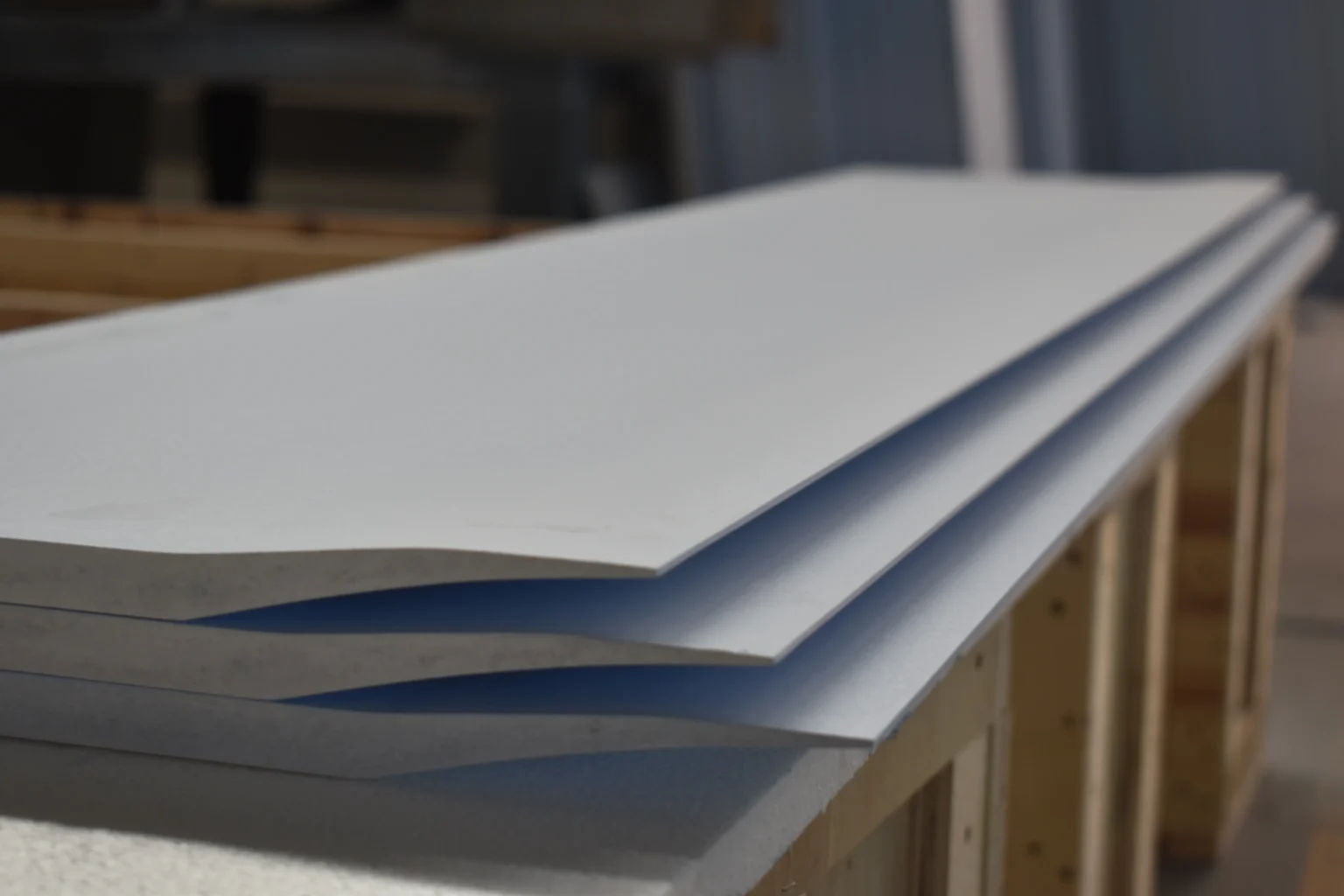
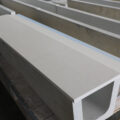
A feed caster tip is a critical component in twin-roll continuous casting and rolling. It distributes molten aluminum from the nozzle cavity into the gap between two rotating casting rolls. The tip’s internal flow channels, dimensional accuracy and thermal insulation affect the distribution of molten aluminum across the casting width. A well-designed caster tip helps maintain stable metal flow and temperature conditions, supporting consistent strip thickness and surface quality during aluminum strip and foil-stock production.
AdTech manufactures ceramic fiber composite caster tips for twin-roll aluminum casting applications, with designs tailored to the requirements of the casting equipment.
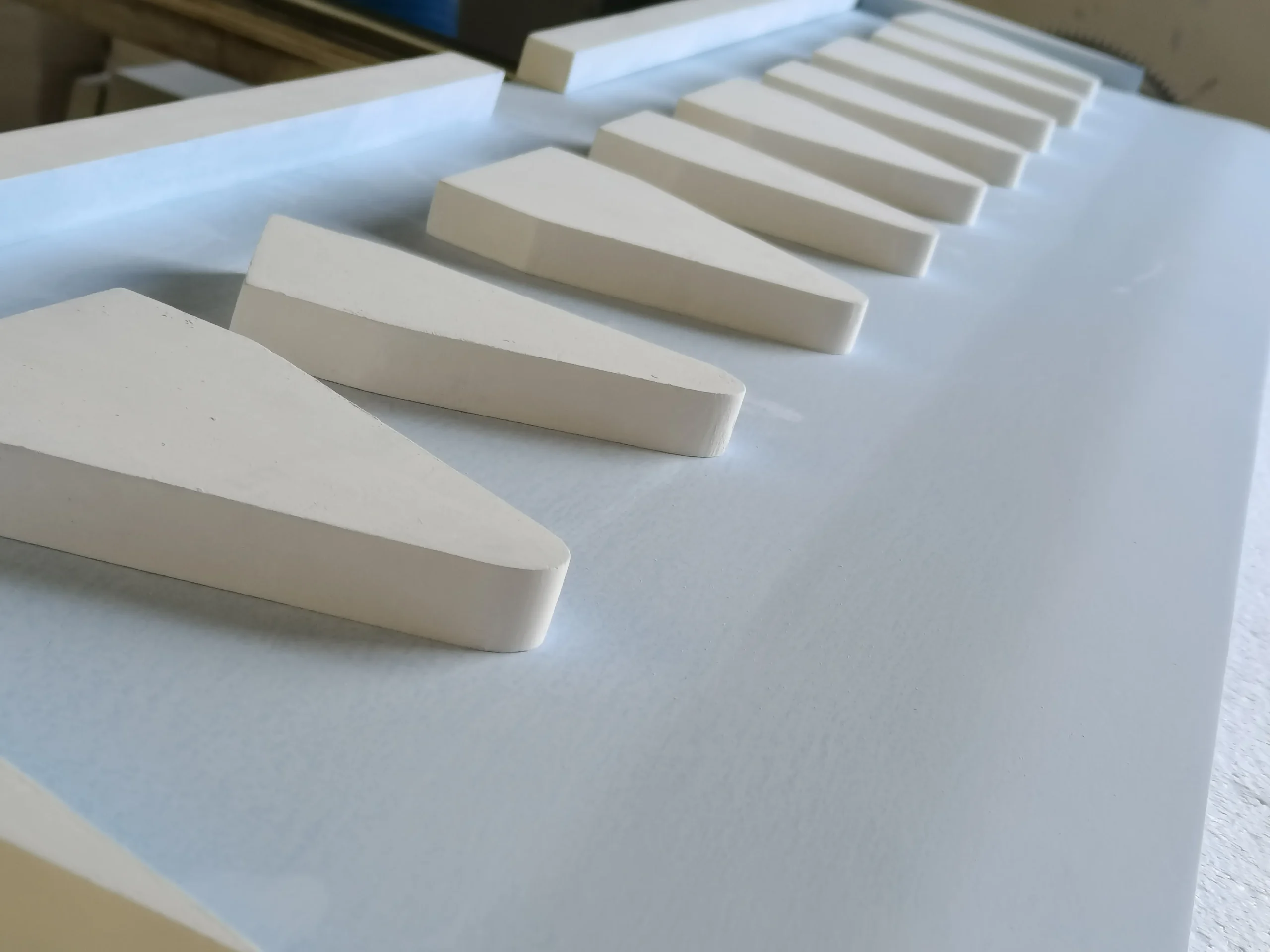
What Does a Feed Caster Tip Do in Twin-Roll Casting?
In twin-roll casting, molten aluminum flows from the headbox through the caster tip and enters the gap between two counter-rotating, water-cooled rolls. The aluminum solidifies as it passes through the rolls, forming a continuous aluminum strip.
The caster tip helps distribute the molten metal across the required casting width. Its internal cavity and flow-channel design influence how evenly the metal exits the nozzle.
Two factors are particularly important:
- Flow distribution: Uneven outlet velocity can cause variations in metal delivery across the casting width.
- Temperature distribution: Differences in melt temperature can affect solidification behavior and the consistency of the cast strip.
The caster tip must therefore maintain a suitable flow path while limiting heat loss and resisting wear during contact with molten aluminum.
For more information about the internal structure, see AdTech’s guide to the nozzle cavity in aluminum casting.
Key Features of AdTech Feed Caster Tips
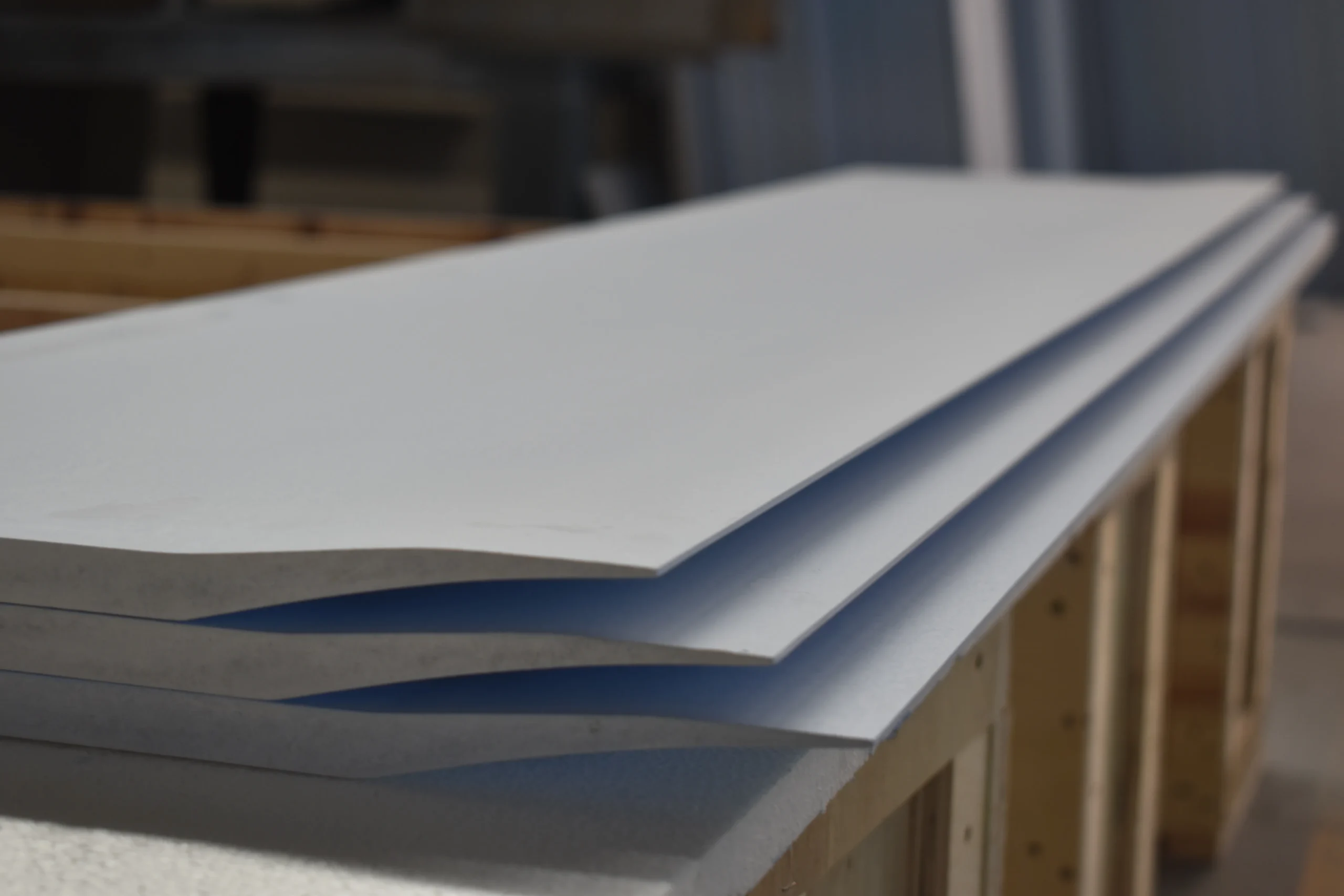
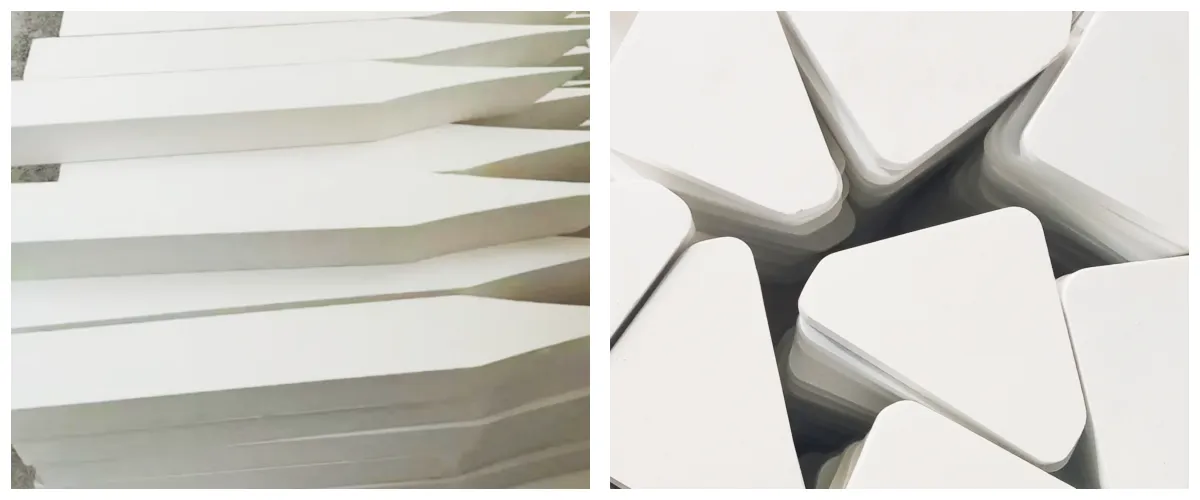
AdTech caster tips use nano-fiber composite material, precision processing and reinforced surface treatments to meet the demands of continuous aluminum casting and rolling.
1. Precision Manufacturing and Dimensional Control
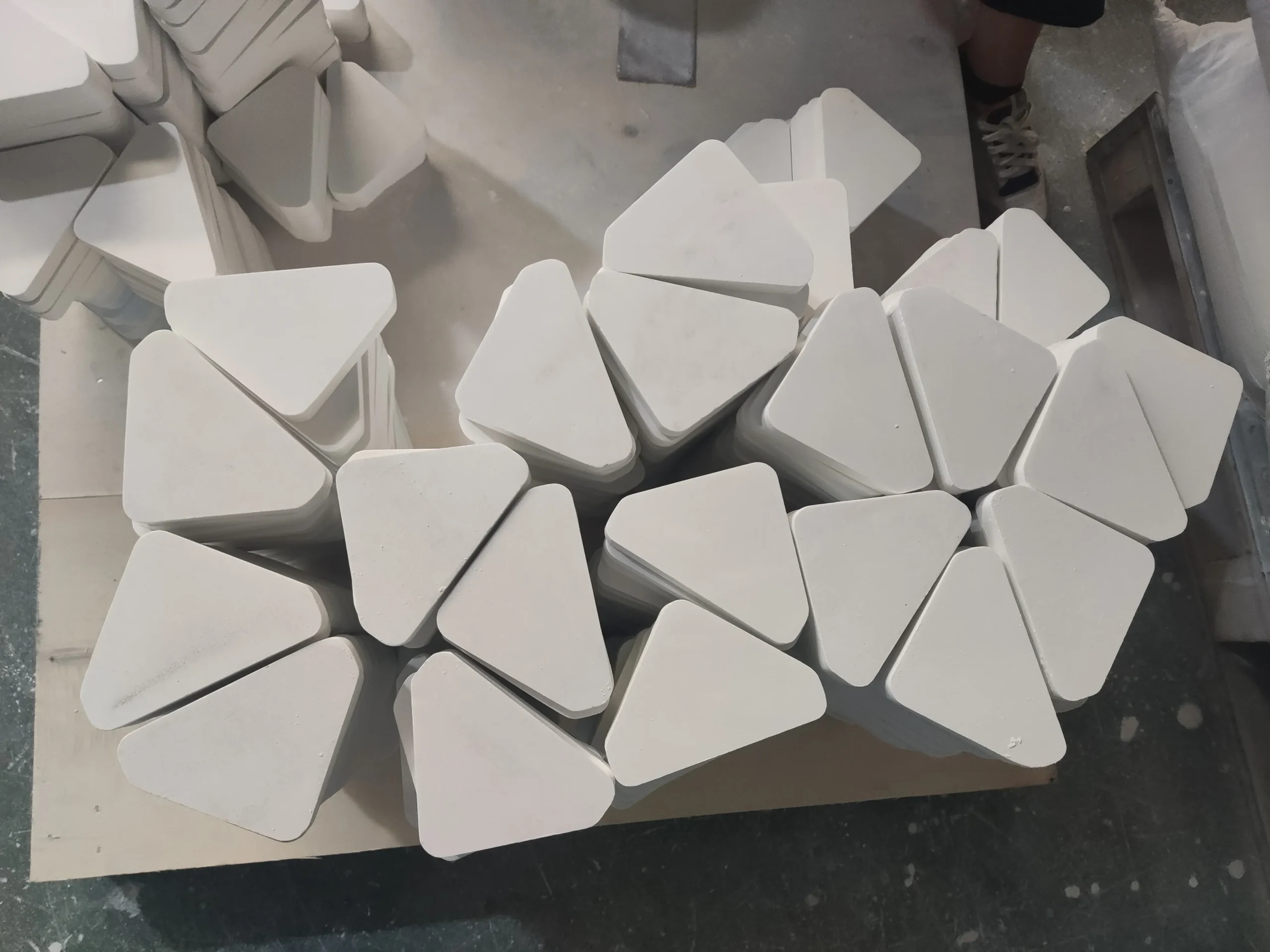
The caster tip is manufactured using precision processing to control its dimensions, density and rigidity. Accurate geometry is important because the tip must fit the casting assembly correctly and maintain the intended gap and flow-channel configuration.
2. Reinforced Surface and Reduced Aluminum Adhesion
Key areas receive a nano-coating treatment to seal the surface and improve resistance to molten aluminum attack. The surface treatment also helps reduce aluminum adhesion and buildup under suitable operating conditions.
These characteristics can support more stable operation and reduce problems associated with material wear or surface deterioration.
3. Internal Flow-Channel Design
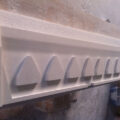
The internal structure incorporates symmetrically arranged flow channels designed to distribute molten aluminum across the casting width.
Consistent flow distribution is important for controlling local differences in metal velocity and temperature, especially in applications requiring uniform aluminum strip thickness and surface quality.
4. Thermal Insulation and Temperature Stability
The composite material provides thermal insulation to help limit temperature loss as molten aluminum passes through the tip. Maintaining suitable thermal conditions in the casting zone supports stable solidification and continuous operation.
5. Low Deformation During Operation
Dimensional stability helps maintain the intended gap between the caster tip and the casting rolls. Where surface defects are associated with uneven flow, temperature variation or tip deformation, correct tip selection and installation can help reduce these process-related problems.
How Does a Caster Tip Affect Aluminum Strip Quality?
The caster tip influences how molten aluminum enters the roll gap, making its design and condition important to the overall casting process.
| Caster Tip Factor | Potential Effect on Casting |
|---|---|
| Outlet flow uniformity | Affects metal distribution across the strip width |
| Temperature stability | Influences solidification behavior |
| Dimensional accuracy | Helps maintain the intended tip-to-roll gap |
| حالة السطح | Affects aluminum adhesion and buildup |
| السلامة الهيكلية | Influences operating stability and replacement needs |
Poor flow distribution, temperature variation or incorrect tip alignment may contribute to strip-quality problems, including thickness variation and surface marks. A properly specified caster tip can help control these factors, although final strip quality also depends on melt temperature, roll conditions, casting speed, metal head and other process parameters.
For aluminum foil-stock production, maintaining consistent conditions across the casting width is particularly important because downstream rolling places additional demands on strip thickness and surface quality.
How Should a Feed Caster Tip Be Prepared Before Use?
Correct preparation is essential because ceramic fiber composite materials can absorb moisture during storage. Residual moisture may generate steam when the tip comes into contact with molten aluminum, potentially damaging the component and affecting casting quality.
Follow the approved preparation procedure for the specific caster tip assembly.
1. Check the assembly drawing. Confirm the position and arrangement of the nozzle plates and related components before cutting or assembly.
2. Handle the plates carefully. Avoid impact, excessive bending or uneven force that could cause cracks or damage to the nozzle plate.
3. Dry and preheat gradually. Use a suitable oven and a controlled heating rate to remove absorbed moisture without exposing the assembly to abrupt temperature changes.
4. Follow the specified temperature and holding time. The supplied product instructions refer to a gradual temperature rise over approximately two hours and a 260°C holding stage. The required holding time should be confirmed against the approved technical instructions for the exact model.
5. Protect the dried assembly from moisture. After drying, keep the caster tip in a suitable dry environment and minimize its exposure to ambient moisture. Install and use it according to the approved production procedure.
The preheating schedule should not be changed without technical confirmation. If the assembly has been exposed to moisture or has remained unused beyond the specified handling period, consult the supplier before installation.
How to Select the Right Feed Caster Tip
The appropriate caster tip depends on the twin-roll caster design, casting width, required strip dimensions and operating conditions.
Before requesting a quotation, provide the following information:
- Casting machine: Equipment manufacturer and model, if available.
- Casting width: Required working width and tip dimensions.
- Aluminum product: Alloy series and intended product, such as strip or foil stock.
- Assembly configuration: Drawing, nozzle layout and related components.
- Operating conditions: Casting speed, metal temperature and relevant process requirements.
- Surface treatment: Whether a specified coating is required.
These details help confirm dimensional compatibility and identify the appropriate material and assembly configuration.
Feed Caster Tips from AdTech
AdTech supplies caster tips and related components for twin-roll continuous casting and rolling of aluminum. Product options include hard caster tips and associated components such as end baffles, partitions and internal flow-control plates, depending on the assembly design.
For a suitable recommendation, share your casting machine model, working width, current tip drawing and main casting requirements. AdTech can evaluate the required configuration and discuss a caster tip suited to your production line.
Explore AdTech’s caster tips for twin-roll continuous casting for more product information.
الأسئلة الشائعة
1. What is a feed caster tip?
A feed caster tip is a component used in twin-roll continuous casting and rolling to distribute molten aluminum into the gap between two casting rolls.
2. What is a feed caster tip made of?
AdTech feed caster tips are made from nano-fiber composite material designed for thermal insulation and contact with molten aluminum.
3. What is the function of a feed caster tip in aluminum casting?
It controls the distribution of molten aluminum across the casting width, helping maintain stable flow and temperature conditions during casting.
4. How does a caster tip affect aluminum strip quality?
Uneven metal flow, temperature variation, or tip deformation can contribute to strip-thickness variation and surface defects. Correct tip design helps control these factors.
5. Why is thermal insulation important for a feed caster tip?
Thermal insulation helps reduce heat loss as molten aluminum passes through the tip, supporting more stable temperature conditions in the casting zone.
6. What are the benefits of a nano-coating on a caster tip?
A suitable surface coating can help reduce aluminum adhesion and improve resistance to molten aluminum attack, depending on operating conditions.
7. Why must a feed caster tip be preheated before use?
Controlled preheating helps remove absorbed moisture and reduces the risk of thermal damage when the tip is exposed to molten aluminum.
8. What temperature is used to preheat a feed caster tip?
The supplied instructions refer to a 260°C holding stage. The required holding time and heating rate should be confirmed against the approved instructions for the specific caster tip model.
9. How do you choose the right feed caster tip?
Consider the casting machine model, casting width, aluminum alloy, tip dimensions, internal flow-channel design, and operating conditions. A technical drawing helps confirm compatibility.
10. Can AdTech provide customized feed caster tips?
AdTech can evaluate caster tip requirements based on the casting machine, working width, assembly drawing, and production needs. Customized specifications should be confirmed with the technical team.
مقالات ذات صلة:
 رأس الصب والفوهة
 نصائح حول التغذية والفوهة
 نصائح حول الصب والفوهة
 كيف يؤثر الفارق بين طرف العجلة واللفائف على جودة شريط الألومنيوم
 فوهة تغذية لآلة صب الأسطوانات المزدوجة
 رأس التغذية والفوهة
 فوهة الصب
 رأس صب مصنوع من الألومنيوم والألياف الخزفية
 نصائح حول العجلات
 نصائح حول آلات صب الألياف الخزفية
 فوهة لصب لفائف الألومنيوم
 رأس التغذية والفوهة