
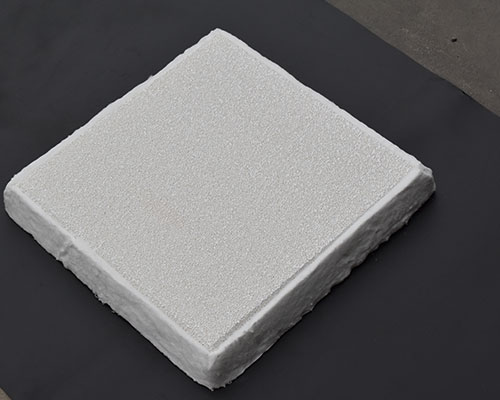
O aumento substancial no custo dos filtros de espuma cerâmica para filtragem de metal fundido em peças fundidas de grandes dimensões é uma questão importante que a fundição deve levar em consideração. O aumento no custo dos filtros de espuma cerâmica para filtragem de metal fundido em peças fundidas de grandes dimensões é causado principalmente pelos seguintes fatores:
1) Aumento da espessura do filtro de espuma cerâmica: A espessura do filtro atualmente mais utilizado filtro de espuma cerâmica é de 22 mm. Esse é um valor razoável, obtido por meio de inúmeros experimentos e práticas de produção, após considerar o equilíbrio entre o efeito de filtragem e o custo da filtragem. Devido ao aumento do tamanho do filtro utilizado para peças fundidas de grandes dimensões, a espessura necessária também aumentou proporcionalmente, resultando em um aumento substancial no custo do filtro. O custo de um filtro de 50 mm de espessura do mesmo tamanho é cerca de 60% maior do que o de um filtro de 32 mm de espessura e cerca de 135% maior do que o de um filtro de 22 mm de espessura. Portanto, escolher um filtro com espessura menor, desde que se garanta que ele não se rompa, é de grande importância para reduzir o custo da filtração.
2) Aumento da posição de instalação: À medida que o tamanho do filtro de espuma cerâmica aumenta, a posição de instalação do filtro também aumenta. No entanto, a localização do filtro no Caixa de filtro CFF é limitado. Na maioria dos casos, é necessário aumentar o tamanho da caixa do filtro CFF para ampliar o espaço de instalação do filtro, o que acarreta um aumento substancial nos custos de modelagem. Portanto, é muito importante reduzir o custo do filtro optando por uma instalação flexível do mesmo, sendo necessário um espaço de instalação reduzido.
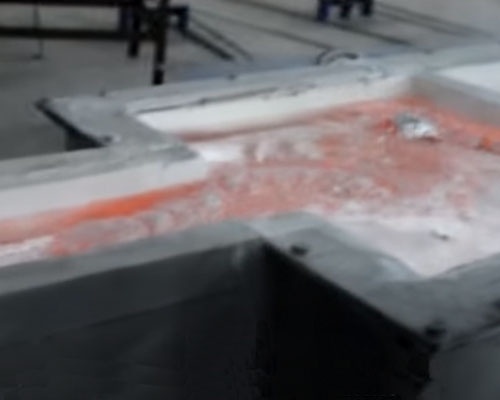
A pressão hidrostática de peças fundidas de grande porte costuma ser muito alta durante o vazamento. Isso impõe exigências adicionais à resistência do filtro de metal fundido, pois o filtro deve ser capaz de suportar a pressão exercida pelo metal líquido. Mais importante ainda, à medida que o tamanho de um único filtro aumenta, o espaçamento entre os suportes do filtro aumenta proporcionalmente, e os requisitos de resistência do filtro também aumentam rapidamente. Quando o filtro não é resistente o suficiente para suportar a pressão do metal líquido, ele se rompe. Portanto, nos filtros utilizados para peças fundidas de grande porte, a espessura do filtro foi aumentada proporcionalmente para melhorar sua resistência. Por exemplo, a espessura aumentou de 22 mm para 32 mm, ou até mesmo 50 mm. No entanto, devido às limitações de resistência do filtro, o tamanho máximo que um único filtro pode atingir atualmente é de apenas cerca de 500 mm.