In twin-roll aluminum strip casting, the gap between the caster tip and the casting rolls affects molten metal flow, heat transfer and strip surface quality. If the gap is too small, debris and aluminum buildup may become trapped between the tip and the roll surface. If it is too large, molten aluminum may leak through the gap, disrupting the casting process. Controlling this clearance is therefore important for reducing longitudinal streaks, surface marks and other casting defects.
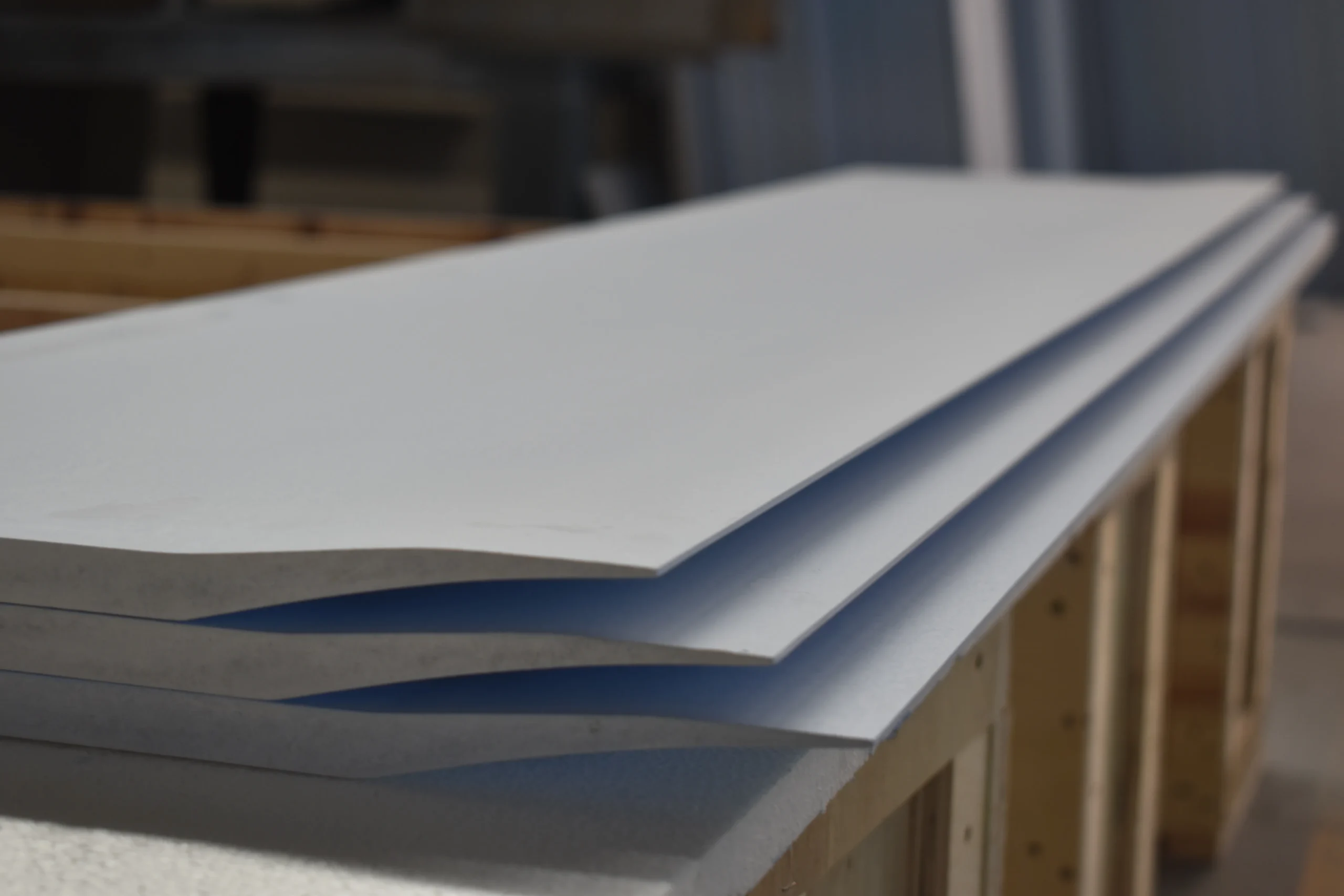
Why Is the Gap Between the Caster Tip and Rolls Important?
In twin-roll continuous casting and rolling, molten aluminum flows through the caster tip into the space between two rotating, water-cooled rolls. The metal begins to solidify on contact with the cooled roll surfaces and forms a continuous aluminum strip as it passes through the roll gap.
The caster tip must maintain a suitable position relative to the rolls to provide stable metal delivery. The clearance affects the interaction between the nozzle tip, molten aluminum and roll surfaces, which can influence local solidification and surface quality.
Three factors are particularly important:
- Molten metal flow: The gap must support stable metal delivery without allowing excessive leakage.
- Heat transfer: Local changes in contact conditions can affect how quickly the aluminum solidifies.
- Surface cleanliness: Debris or accumulated aluminum around the tip and roll interface can interfere with normal casting conditions.
The correct clearance depends on the caster design, tip geometry, alloy and operating parameters. It should be established according to the equipment specification and validated under actual casting conditions.
What Happens When the Caster Tip-to-Roll Gap Is Too Small?
During production, particles from the caster tip, dust, and small aluminum burrs may accumulate on or near the roll surfaces. Although roll-cleaning equipment removes much of this material, some residue may remain and become trapped near the interface between the caster tip and the casting roll.
When the clearance is insufficient, the risk of contact between the tip and roll, or of debris becoming embedded at the interface, may increase. Thermal expansion of the caster tip during operation can further reduce the available clearance if this has not been accounted for during setup.
These conditions may contribute to several problems.
1. Longitudinal streaks on the strip surface
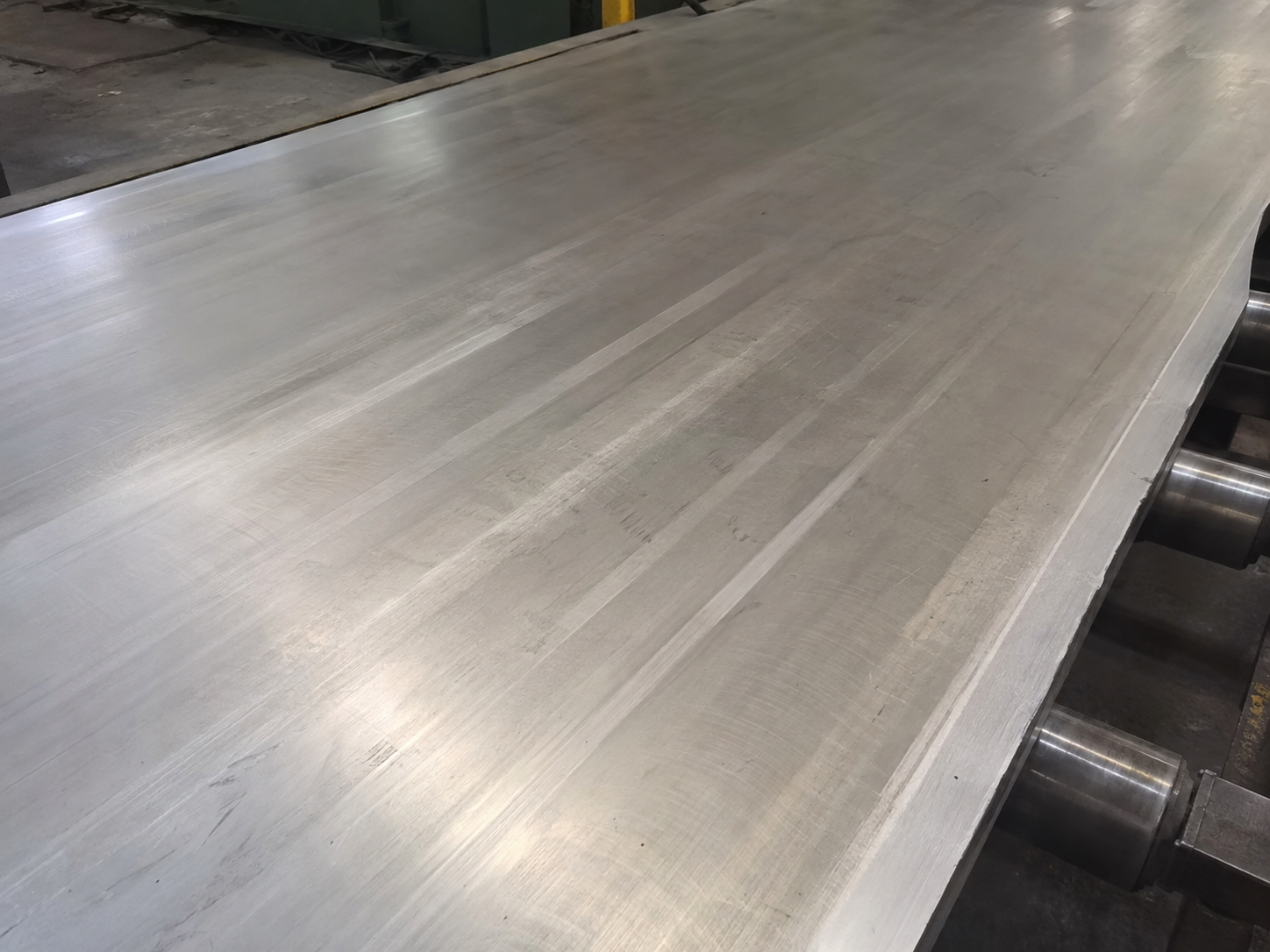
Embedded particles or local surface buildup can disturb the normal contact and heat-transfer conditions. The resulting differences in local solidification may appear as bright or dark longitudinal streaks on the cast-rolled strip.
2. Localized solidification and structural variation
If heat transfer becomes uneven, some areas may solidify differently from adjacent regions. Under subsequent deformation, these local differences may contribute to band-shaped surface or microstructural defects.
3. Aluminum pickup and sticking
Accumulated aluminum or damaged refractory material around the tip can interfere with smooth operation and increase the risk of aluminum sticking to the equipment.
The actual defect mechanism depends on the casting conditions and should be confirmed through inspection of the nozzle, roll surfaces and strip cross-section.
What Happens When the Gap Is Too Large?
Increasing the clearance is not always beneficial. If the gap becomes excessive, molten aluminum may escape through the opening between the nozzle tip and the roll surface.
Leakage can interfere with stable metal delivery and the formation of the intended molten metal region. It may also allow the melt to flow outside the designed casting path, making continuous operation more difficult.
The objective is therefore not to maximize the gap, but to maintain sufficient clearance to avoid unwanted contact while preserving stable molten aluminum flow.
Research on twin-roll casting has also shown that nozzle-to-roll clearance affects strip surface patterns and that excessive gaps can allow molten metal to leak. The appropriate setting must account for the specific nozzle geometry and process conditions.
How Can the Caster Tip-to-Roll Gap Be Optimized?
The gap should be checked as part of routine equipment setup and process control. A single nominal clearance cannot be applied to every twin-roll caster because tip geometry, thermal expansion, alloy properties and operating conditions differ.
The following checks can help identify potential problems:
| Inspection Item | What to Check | لماذا هذا مهم؟ |
|---|---|---|
| Caster tip dimensions | Confirm the tip matches the equipment drawing | Helps establish the intended installation position |
| Roll surface condition | Check for adhered aluminum, debris and surface damage | Reduces the risk of contamination and uneven contact |
| Tip-to-roll clearance | Measure at the specified locations using the approved procedure | Helps identify insufficient or uneven clearance |
| Thermal expansion | Account for the specified operating temperature and tip expansion | Reduces the risk of clearance changes during operation |
| Molten metal flow | Observe leakage and flow stability during start-up | Helps verify that the clearance is suitable for the process |
| Strip surface quality | Inspect for recurring longitudinal streaks or band-shaped marks | Provides evidence for troubleshooting and parameter adjustment |
If defects appear repeatedly along the casting direction, inspect the caster tip and roll surfaces before changing the clearance alone. The cause may also involve nozzle damage, temperature variation, casting speed, metal head or other process parameters.
Any adjustment should follow the equipment manufacturer’s instructions and the foundry’s approved operating procedure.
How Does Caster Tip Quality Affect Strip Casting Performance?
The caster tip is a functional part of the twin-roll casting system. Its dimensional accuracy, internal structure and surface condition all influence metal distribution and operating stability.
A properly manufactured and installed tip helps maintain the intended flow path and clearance. Consistent material properties and controlled geometry also help reduce the likelihood of deformation, damage and uneven contact during operation.
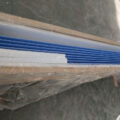
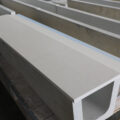
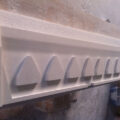
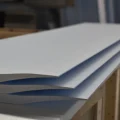
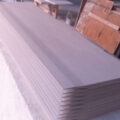
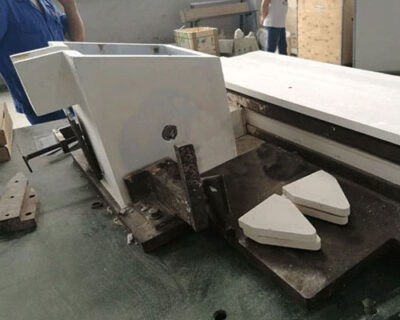
AdTech supplies caster tips for twin-roll aluminum casting designed for aluminum strip and foil-stock production. The appropriate specification should be selected according to the casting machine, working width, nozzle configuration and operating conditions.
When investigating recurring surface streaks or aluminum sticking, evaluate the caster tip, roll condition and process parameters together. Maintaining the correct clearance is one important part of achieving stable casting and consistent strip quality.
الأسئلة الشائعة
1. What is the caster tip-to-roll gap in aluminum strip casting?
It is the clearance between the caster tip and the casting roll surface. It affects molten aluminum flow, heat transfer and strip surface quality.
2. Why is the gap between the caster tip and rolls important?
The correct gap helps maintain stable metal flow while reducing the risk of unwanted contact, aluminum leakage and surface defects.
3. What happens if the caster tip-to-roll gap is too small?
A gap that is too small may increase the risk of contact, debris entrapment and aluminum buildup, potentially contributing to longitudinal streaks and other surface defects.
4. What happens if the gap between the caster tip and rolls is too large?
An excessive gap may allow molten aluminum to leak from the intended casting region, disrupting metal flow and casting stability.
5. How does thermal expansion affect the caster tip gap?
The caster tip expands when heated. If thermal expansion is not considered during setup, the operating clearance may become smaller than intended.
6. What causes longitudinal streaks on aluminum cast-rolled strips?
Possible causes include debris trapped near the caster tip and rolls, uneven heat transfer, local solidification differences and unstable casting conditions.
7. Can caster tip debris affect aluminum strip quality?
Yes. Caster tip powder, dust and aluminum buildup can interfere with the tip-roll interface and contribute to surface marks or localized casting defects.
8. How do you check the caster tip-to-roll gap?
Inspect the tip and roll surfaces, measure the clearance at specified locations, and follow the equipment manufacturer’s procedures, accounting for thermal expansion.
9. How can caster tip-to-roll gap problems be reduced?
Maintain clean roll surfaces, inspect the caster tip for damage, verify installation dimensions and adjust the clearance according to the equipment specifications and operating conditions.
10. How does caster tip quality affect aluminum strip casting?
Caster tip dimensional accuracy, surface condition and internal flow-channel design influence molten metal distribution and casting stability, affecting strip thickness and surface consistency.