
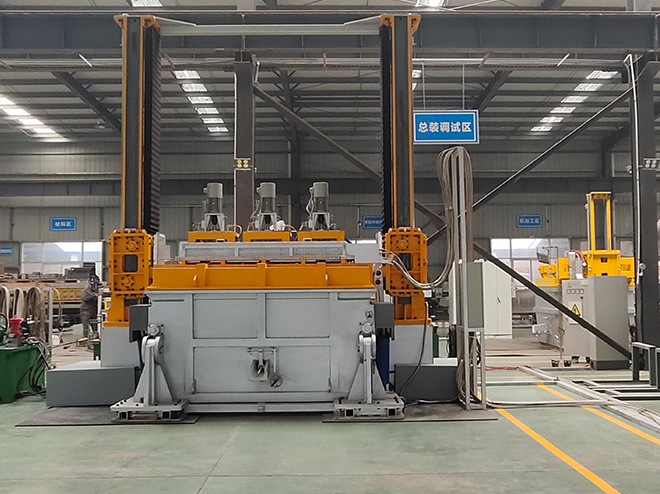
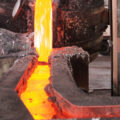
Aluminum degassing is used to reduce dissolved hydrogen in molten aluminum before casting. Excess hydrogen can form pores during solidification, which may affect the internal quality and mechanical properties of aluminum castings.
Several degassing methods are used in aluminum foundry operations, including gas-lance treatment, rotary degassing, and on-line rotary degassing. The most suitable method depends on melt volume, casting process, hydrogen requirements, and production continuity.
Why Is Degassing Important in Aluminum Casting?
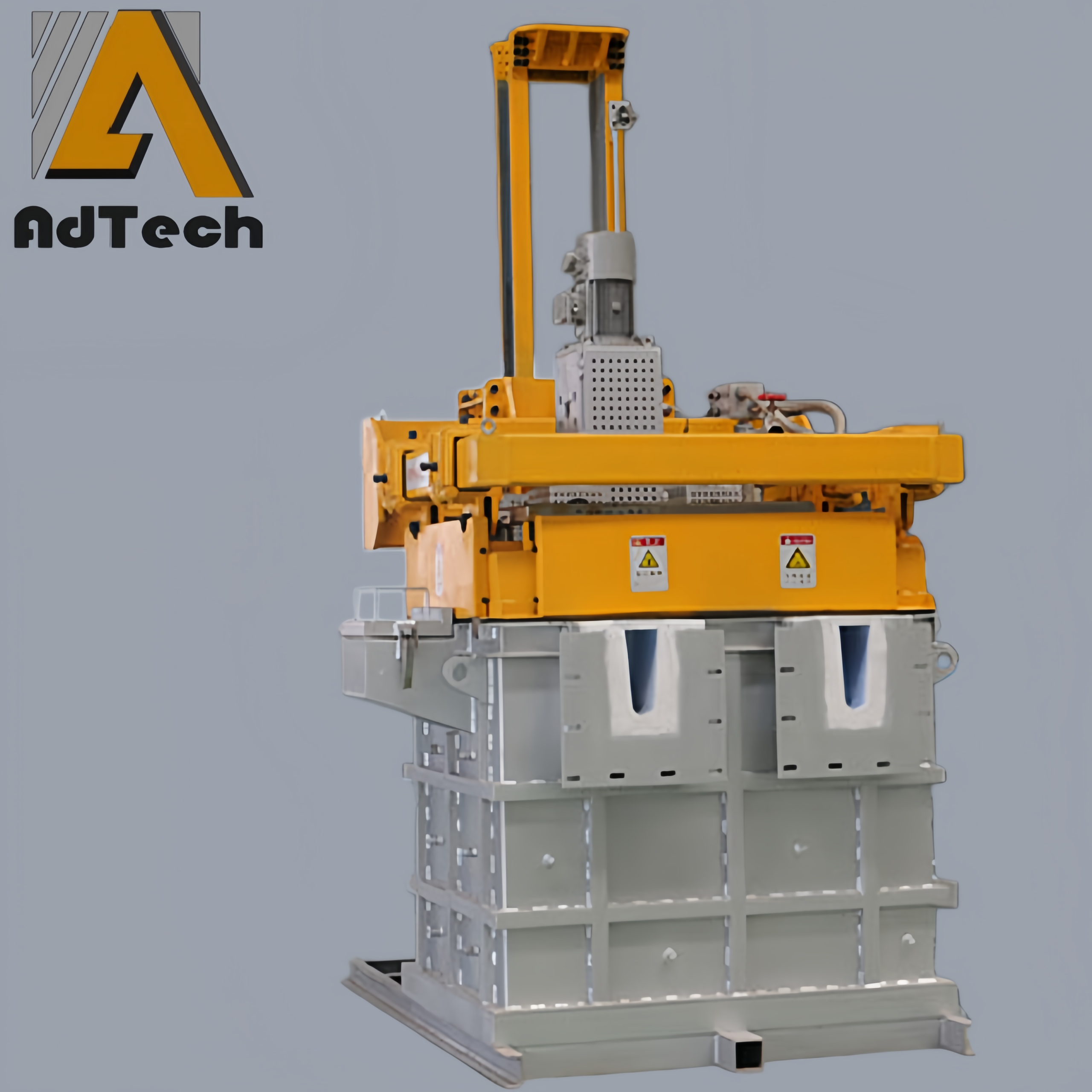
Hydrogen is highly soluble in liquid aluminum but much less soluble in solid aluminum. As the melt solidifies, excess dissolved hydrogen can therefore form gas pores inside the casting.
Hydrogen can enter molten aluminum from sources such as:
- Moisture in charge materials
- Wet tools and refractories
- بيئة الفرن
- Improperly dried additions
- Prolonged exposure of the melt to moisture
Degassing reduces dissolved hydrogen before the metal enters the casting process.
What Are the Main Aluminum Degassing Methods?
تشمل الطرق الشائعة ما يلي:
| طريقة إزالة الغازات | Main Characteristics | تطبيق نموذجي |
|---|---|---|
| Gas-lance degassing | Inert gas introduced through a submerged lance | Batch treatment |
| إزالة الغازات بالدوران | Rotating rotor disperses inert gas into fine bubbles | Batch or treatment-station applications |
| On-line rotary degassing | Molten aluminum is treated continuously as it flows through the unit | Continuous casting and high-volume production |
All three methods use the same basic principle: inert-gas bubbles provide a gas-liquid interface for dissolved hydrogen to transfer out of the molten aluminum.
How Does Aluminum Degassing Remove Hydrogen?
The basic process can be simplified as:
Inert gas injection → Fine bubble formation → Hydrogen transfer → Bubble flotation → Gas escape
Nitrogen or argon is introduced into the molten aluminum. Fine bubbles provide a large gas-liquid interface.
Dissolved hydrogen moves toward the bubble surface and transfers into the gas phase. The bubbles then rise through the melt and eventually escape at the surface.
The efficiency of this process depends on bubble dispersion, gas flow, rotor design, melt temperature, treatment time, and the initial hydrogen level.
How Does Rotary Degassing Work?
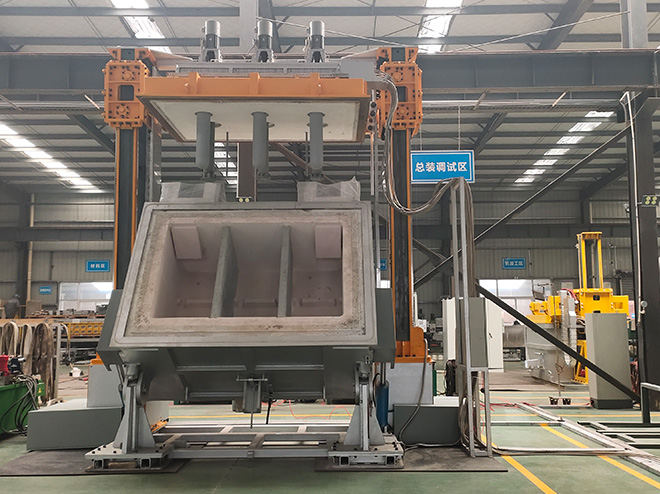
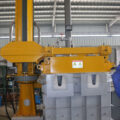
In rotary degassing, inert gas is introduced through a rotating rotor immersed in the molten aluminum.
The rotor breaks the incoming gas into smaller bubbles and distributes them through the melt. At the same time, rotor movement promotes melt circulation, increasing contact between the molten aluminum and the gas bubbles.
Key process parameters include:
- سرعة الدوار
- Inert-gas flow rate
- Rotor design
- Immersion depth
- درجة حرارة الانصهار
- مدة العلاج
- Initial hydrogen concentration
The operating parameters should be optimized for the specific alloy and equipment rather than using one fixed setting for every application.
Learn More About Our Molten-Aluminum Treatment
What Is On-Line Rotary Degassing?
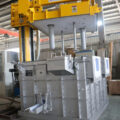
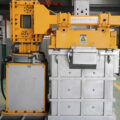
An on-line rotary degassing unit is installed directly in the molten aluminum treatment line.
Instead of treating individual furnace batches separately, molten aluminum flows continuously through the degassing unit before filtration and casting.
A typical production line is:
Holding Furnace → On-Line Degassing → Filtration → Launder → Casting Machine
This configuration is particularly useful for continuous or high-volume casting because degassing becomes part of the normal metal-flow process.
What Is the Difference Between Rotary and On-Line Degassing?
Rotary degassing describes the gas-dispersion technology, while on-line degassing describes how the treatment is integrated into the production line.
A rotary degassing system may be used as a batch treatment unit, while an on-line rotary degassing unit treats molten aluminum continuously during production.
| ميزة | إزالة الغازات بالدوران | On-Line Rotary Degassing |
|---|---|---|
| Treatment mode | Usually batch or intermittent | Continuous |
| Rotor system | نعم | نعم |
| Hydrogen removal | نعم | نعم |
| Operator involvement | أعلى | Lower during normal operation |
| الصب المستمر | Less suitable | Well suited |
| Process integration | Treatment station | Directly integrated into casting line |
Does Degassing Remove Inclusions?
Degassing primarily targets dissolved hydrogen, not suspended non-metallic inclusions.
Gas bubbles can promote the flotation of some inclusions under suitable conditions, but this should not be treated as a replacement for filtration.
For controlled inclusion removal, aluminum plants commonly use:
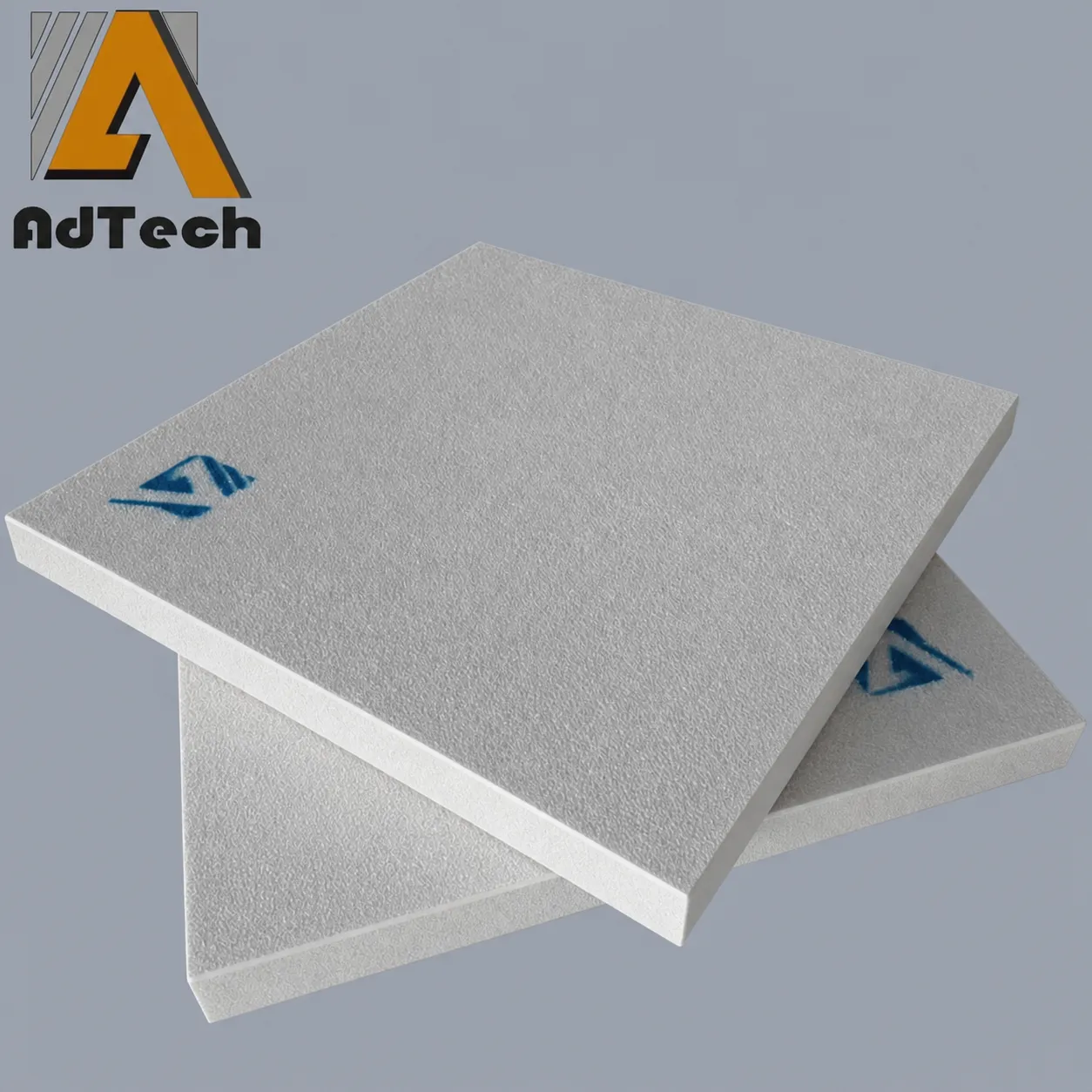
- مرشحات الرغوة الخزفية
- Plate-type filtration systems
- Cartridge filtration systems
- الترشيح في طبقة عميقة
This gives the overall melt-treatment process different functions:
Degassing → Hydrogen removal
Filtration → Non-metallic inclusion removal
Which Gas Is Used for Aluminum Degassing?
Nitrogen and argon are commonly used as inert gases for aluminum melt degassing.
The appropriate gas depends on the alloy, equipment, required melt quality, gas supply, and plant operating conditions. Gas purity should meet the requirements of the selected equipment and process.
What Affects Aluminum Degassing Efficiency?
The final hydrogen level depends on the complete treatment process rather than the inert gas alone.
ومن بين العوامل المهمة ما يلي:
| العامل | Effect on Degassing |
|---|---|
| Initial hydrogen level | Determines treatment requirement |
| Bubble size | Affects gas-liquid interfacial area |
| معدل تدفق الغاز | Affects bubble generation and dispersion |
| سرعة الدوار | Influences mixing and bubble breakup |
| Rotor design | Determines gas distribution |
| درجة حرارة الانصهار | Affects hydrogen behavior and melt flow |
| مدة العلاج | Affects hydrogen removal |
| Melt depth | Influences bubble residence time |
Preventing hydrogen pickup is equally important. Wet charge materials, tools, refractories, and furnace conditions can introduce additional hydrogen into the melt.
How Should an Aluminum Foundry Choose a Degassing Method?
The appropriate method depends on the production process.
Gas-lance degassing may be practical for intermittent or smaller-scale batch treatment.
إزالة الغازات بالدوران provides improved gas dispersion and melt mixing and can be used for more controlled treatment.
On-line rotary degassing is particularly suitable when the plant has continuous casting, high melt throughput, or a need for more consistent integration of melt treatment.
The selection should consider melt flow rate, alloy, casting method, target hydrogen level, existing filtration, installation space, and required level of process control.
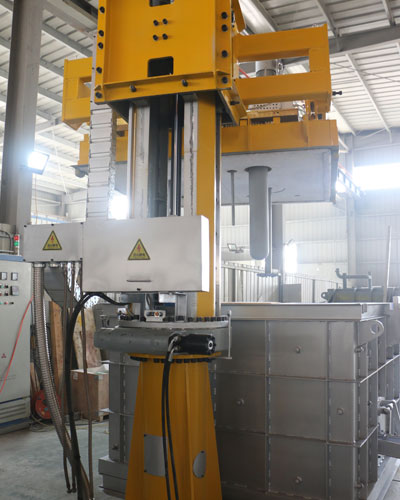
Aluminum Degassing and Filtration Work Together
Hydrogen removal is only one part of molten aluminum purification.
A typical aluminum casting line may combine several treatment steps:
Melting → Holding → Refining → On-Line Degassing → Filtration → Launder → Casting
Degassing reduces dissolved hydrogen, while filtration removes non-metallic inclusions. Keeping these functions separate helps the plant select the appropriate equipment for each stage.
الأسئلة الشائعة
1. What is the purpose of degassing in an aluminum foundry?
The main purpose is to reduce dissolved hydrogen in molten aluminum and lower the risk of hydrogen-related porosity during solidification.
2. What are the main methods of aluminum degassing?
Common methods include gas-lance degassing, rotary degassing, and on-line rotary degassing.
3. What gas is used for aluminum degassing?
Nitrogen and argon are commonly used inert gases.
4. How does a rotary degassing unit remove hydrogen?
A rotating rotor disperses inert gas into fine bubbles. Dissolved hydrogen transfers into the bubbles, which then rise and escape from the molten aluminum.
5. What is the difference between rotary and on-line degassing?
Rotary degassing describes the rotor-based gas-dispersion method, while on-line degassing describes continuous integration of the treatment unit into the molten aluminum flow line.
6. Does degassing remove slag?
Degassing is primarily used for dissolved hydrogen. Slag and dross require separate removal and handling processes.
7. Does degassing remove inclusions?
Not primarily. Filtration is the main method for removing suspended non-metallic inclusions from molten aluminum.
8. Is nitrogen or argon better for aluminum degassing?
Both can be used effectively. The appropriate choice depends on gas purity, equipment design, process requirements, and operating conditions.
9. Is on-line degassing suitable for continuous casting?
Yes. On-line rotary degassing is well suited to continuous aluminum casting because the melt can be treated while flowing toward the casting machine.
10. What information is needed to select an aluminum degassing unit?
Important information includes alloy, melt flow rate, melt temperature, initial and target hydrogen level, casting method, existing filtration system, installation layout, and required level of process control.
مقالات ذات صلة:
 إزالة الغازات من الألومنيوم عبر الإنترنت
 طريقة إزالة الغازات بالدوران
 إزالة الغازات من الألومنيوم
 وحدة إزالة الغازات من الألومنيوم المنصهر
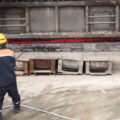 عملية تكرير سبائك الألومنيوم
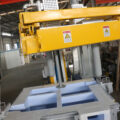 معدات إزالة الغازات من الألومنيوم عبر الإنترنت
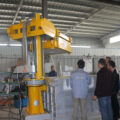 استخدامات وحدة إزالة الغازات
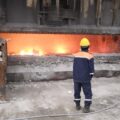 إزالة غازات الهيدروجين
 نظام إزالة الغازات من الألومنيوم عبر الإنترنت
 معدات إزالة الغازات من الألومنيوم
 إزالة الغازات من الألومنيوم المنصهر
 صندوق إزالة الغاز عبر الإنترنت