
On September 21, 2026, AdTech completed the commissioning of its third high-temperature firing production line for ceramic filter plates, together with supporting automation equipment. The new line is dedicated primarily to high-end products, including European-standard and phosphorus-free ceramic foam filters. The expansion strengthens AdTech’s manufacturing capacity, improves production scheduling flexibility, and supports more reliable order fulfillment for aluminum foundries and casthouses worldwide.
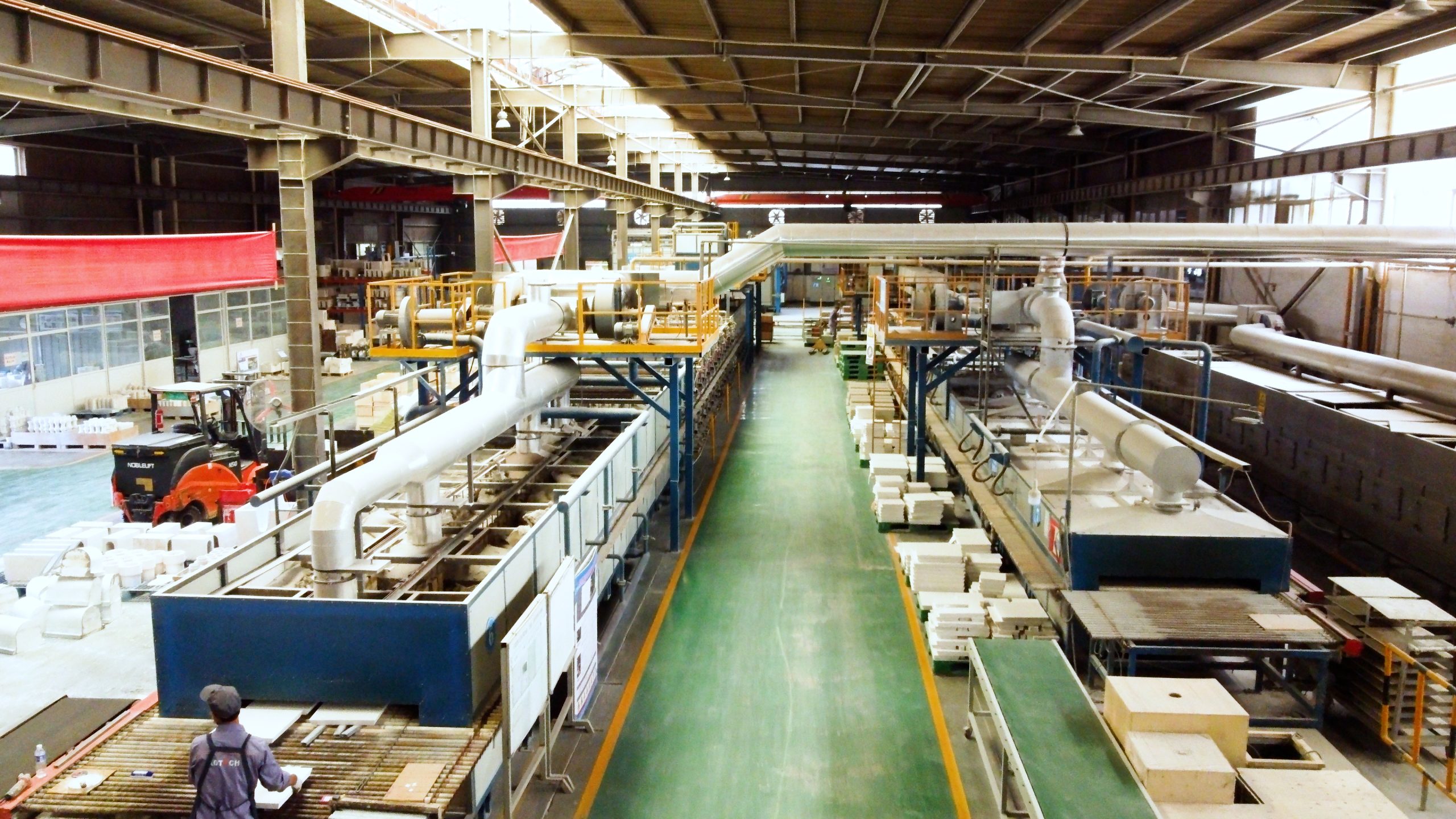
Third Production Line Expands Ceramic Foam Filter Manufacturing Capacity
The commissioning of the third high-temperature firing line marks another step in AdTech’s investment in aluminum melt filtration and purification materials. With the new line entering production, the company has expanded its overall ceramic filter plate manufacturing capacity and increased its ability to manage orders across different product specifications.
For industrial buyers, production capacity is relevant for more than the volume a manufacturer can produce. The ability to coordinate production schedules, accommodate different product requirements, and manage overlapping orders also affects supply reliability.
The additional line gives AdTech greater flexibility in allocating production resources. Combined with its existing manufacturing operations, the expanded production setup is intended to better accommodate purchasing demand from domestic and international customers while supporting delivery planning.
The commissioning also includes supporting automation equipment, strengthening the production infrastructure behind AdTech’s high-end ceramic filtration products.
Which Ceramic Foam Filter Products Will the New Line Produce?
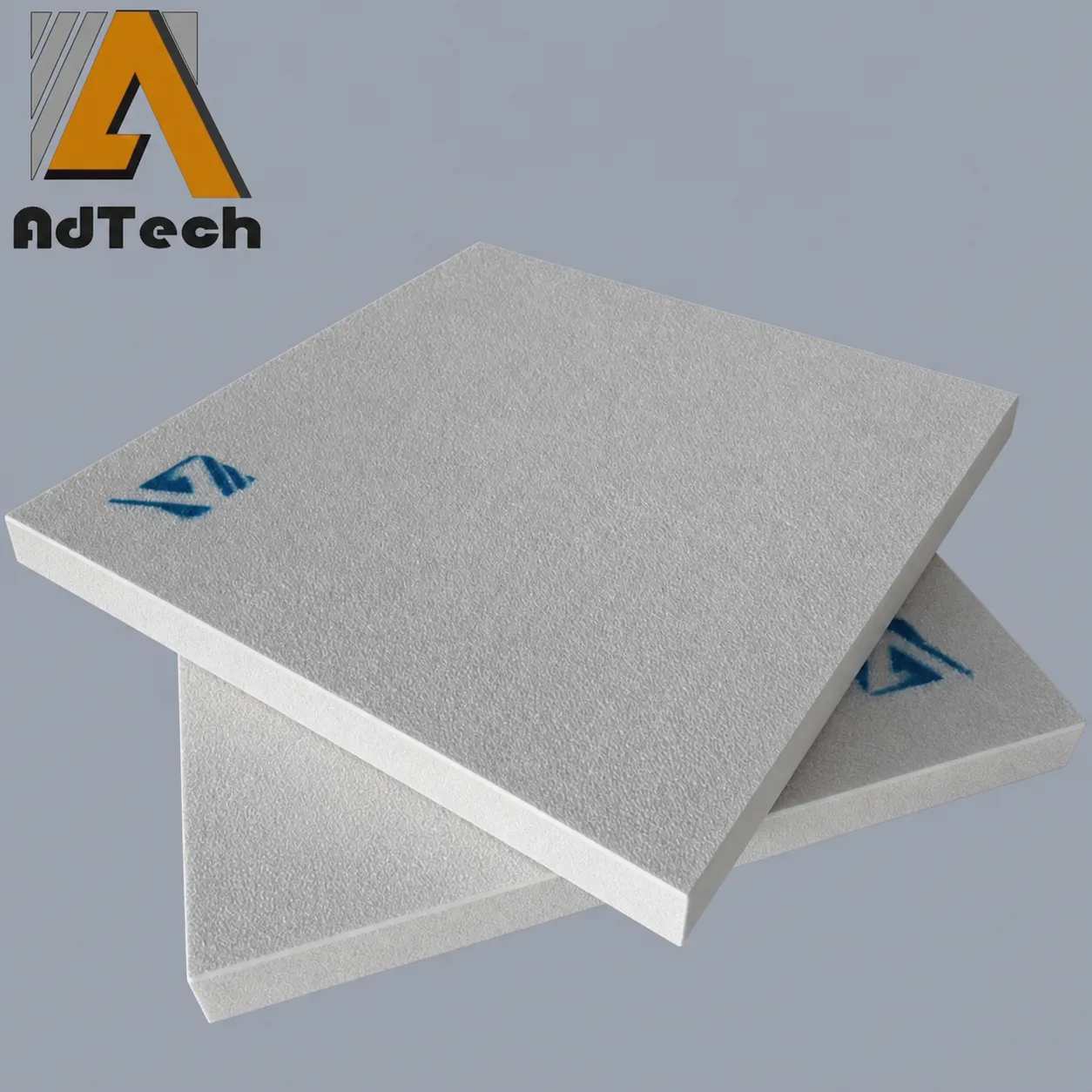
The new high-temperature firing line will primarily support two product categories: European-standard ceramic filter plates and phosphorus-free ceramic filter plates.
Both are part of AdTech’s strategy to strengthen its high-end ceramic filtration portfolio. Their production requires a manufacturing process and quality-control approach suited to the specifications of the intended products.
| Product category | Manufacturing focus | Relevance to buyers |
|---|---|---|
| European-standard ceramic filter plates | Production according to the applicable product specifications | Helps address purchasing requirements for customers specifying European-standard products |
| Phosphorus-free ceramic filter plates | Manufacturing of filters formulated without phosphorus | Provides an option for applications requiring phosphorus-free specifications |
| Other ceramic foam filter products | Production according to the applicable grade and dimensions | Supports different aluminum casting and filtration requirements |
The term European-standard refers to the company’s product category in this announcement; it should not be interpreted as a claim of certification to a particular European standard unless the applicable standard and certification are separately confirmed. Likewise, phosphorus-free specifications should be verified against the relevant product documentation when required for procurement.
By dedicating the new line primarily to these higher-end categories, AdTech is strengthening its ability to manufacture products for customers with specific material and product requirements.
How Does Increased Production Capacity Benefit Aluminum Foundries?
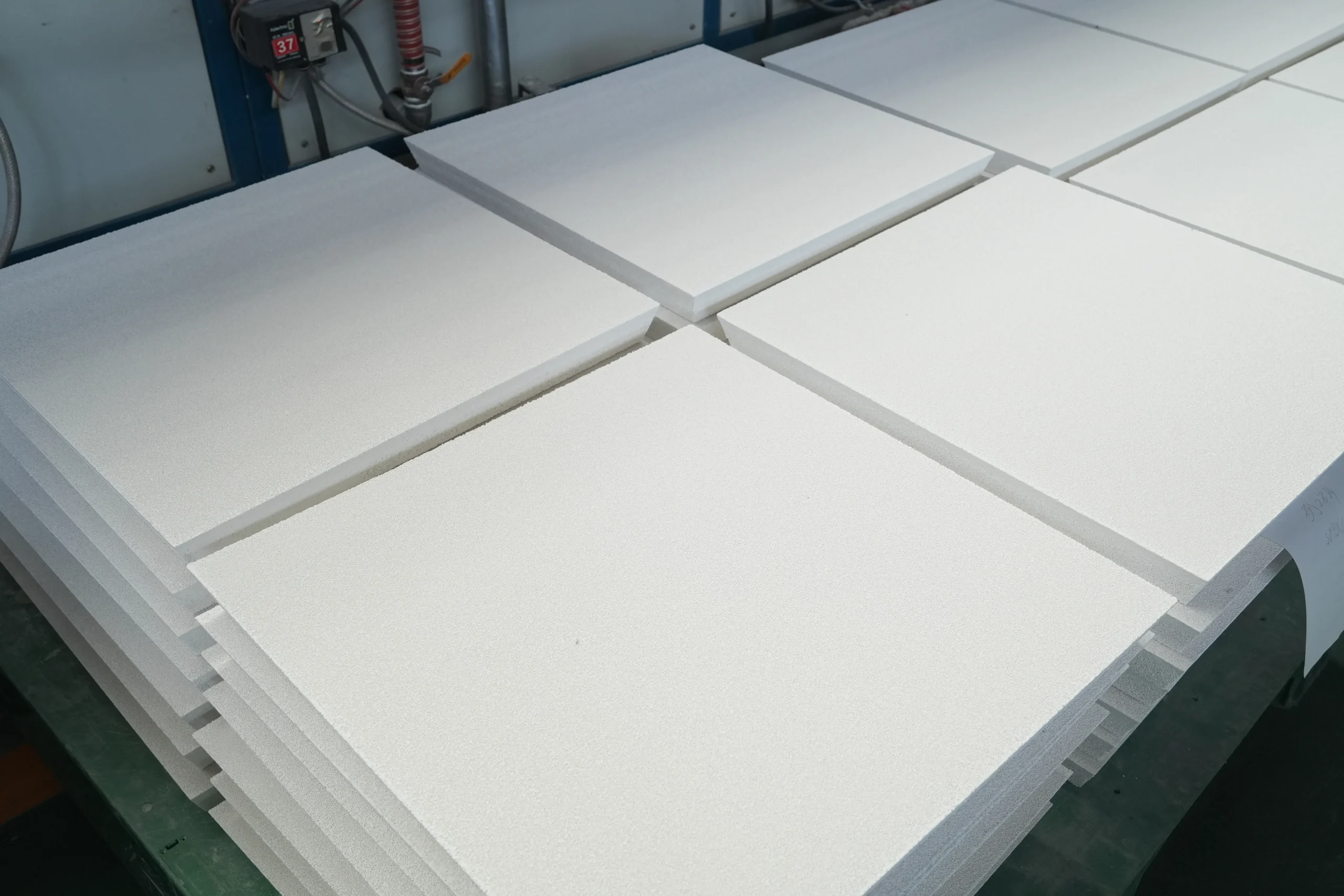
Ceramic foam filters are consumable components in aluminum melt filtration. Their availability matters to foundries and casthouses that need to coordinate filter procurement with production schedules.
An increase in manufacturing capacity can support customers in several practical ways.
Greater scheduling flexibility. Additional production capacity gives the manufacturer more options when allocating production across orders and product specifications.
Improved order-handling capacity. The expanded production setup strengthens AdTech’s ability to accommodate customer demand, including orders for higher-end ceramic filter products.
More reliable supply planning. Additional manufacturing resources can provide greater flexibility when coordinating production and delivery commitments.
Support for international customers. A stronger manufacturing base helps the company serve purchasing requirements across different markets, subject to product specifications, order quantities, and delivery arrangements.
These improvements do not mean every order will automatically have a shorter lead time. Actual delivery schedules still depend on the product configuration, order volume, production plan, and logistics. The purpose of the expansion is to strengthen the capacity and flexibility available for managing these requirements.
Why Does Manufacturing Consistency Matter for Ceramic Foam Filters?
In aluminum casting, a ceramic foam filter must perform under high-temperature operating conditions while allowing molten metal to pass through its interconnected pore structure. Product consistency is therefore an important consideration when evaluating a ceramic foam filter manufacturer.
Buyers generally need to confirm that filters supplied for a given application meet the agreed specifications. Relevant parameters may include dimensions, thickness, pore density, material composition, and physical integrity.
For repeat orders, consistency between batches is particularly important because the filter must fit the intended filtration equipment and suit the established casting process.
Manufacturing equipment is one part of this equation. Process control, inspection procedures, material management, and the handling of finished products also contribute to the manufacturer’s ability to supply filters that meet agreed requirements.
AdTech’s third high-temperature firing line forms part of its broader effort to improve manufacturing equipment and production processes. The company will continue developing its ceramic filtration products and refining its manufacturing and quality-control capabilities.
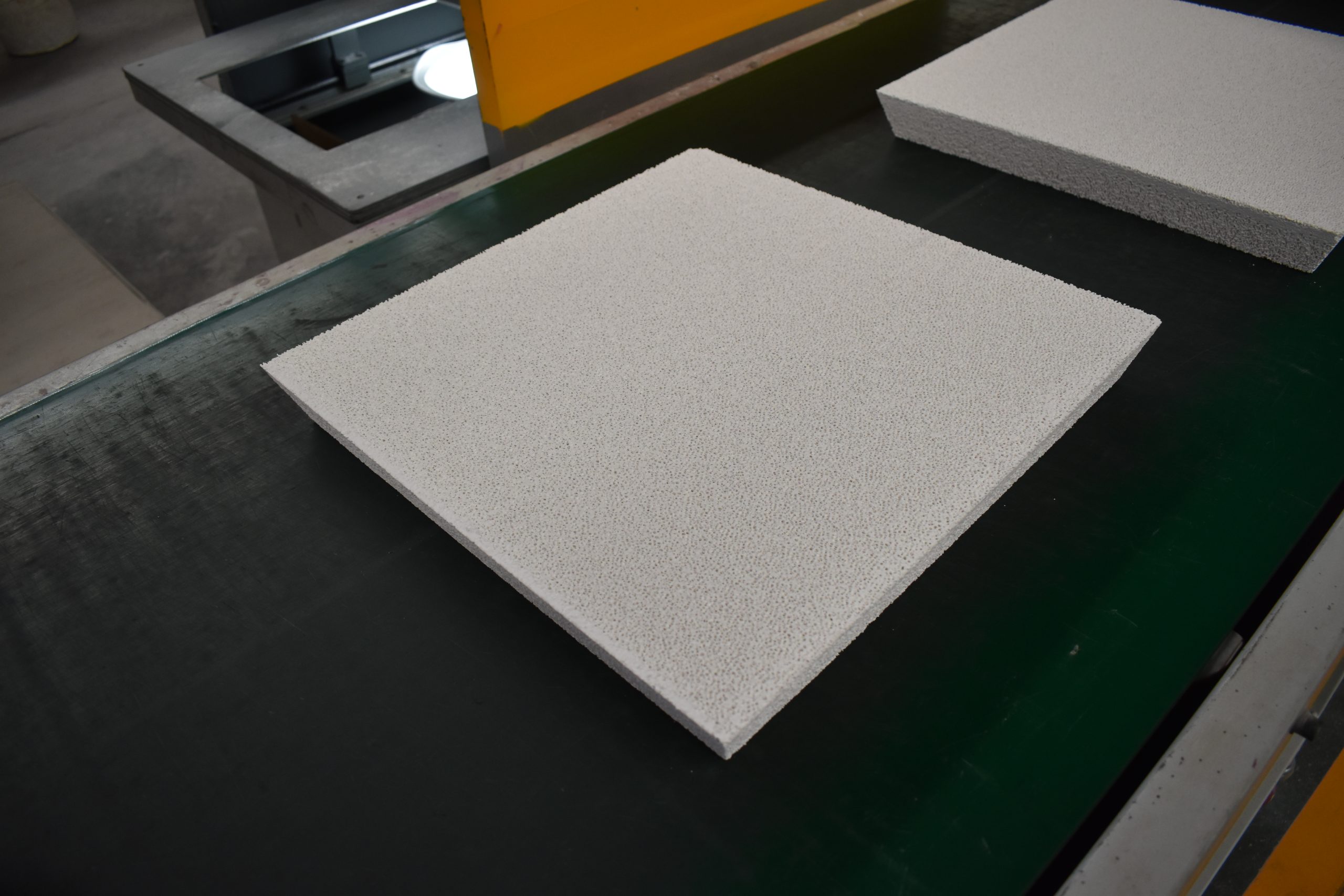
AdTech Continues to Invest in Aluminum Melt Purification
Founded in 2012, AdTech focuses on the development and manufacture of high-temperature filtration and purification materials and related equipment for aluminum alloy casting.
Its product portfolio covers several areas of aluminum melt treatment, including:
- Ceramic foam filters for molten aluminum filtration.
- Online degassing equipment for dissolved hydrogen removal.
- Filter boxes and associated filtration equipment.
- Aluminum launder systems for molten metal transfer.
- Hot-top casting accessories and casting tip plates.
- Foundry fluxes for applicable melt-treatment processes.
These products address different stages of aluminum production. Ceramic foam filtration primarily targets solid non-metallic inclusions, while online degassing is used to reduce dissolved hydrogen. Launder systems transfer molten aluminum between process stages, and filter boxes provide the installation structure for filtration.
AdTech’s focus on these connected applications reflects the requirements of aluminum producers seeking equipment and consumable materials suited to their casting processes.
Customers evaluating ceramic foam filters for aluminum casting should consider the required PPI, filter dimensions, thickness, material specification, and compatibility with the existing filter box. These parameters should be confirmed against the casting process rather than selected on the basis of pore density alone.
A Further Step in AdTech’s Manufacturing Development
The commissioning of the third high-temperature firing production line on September 21, 2026, represents a further investment in AdTech’s ceramic filtration manufacturing capabilities.
By expanding production capacity and strengthening the equipment used for high-end ceramic filter plates, the company is better positioned to coordinate production, accommodate customer specifications, and support supply planning for domestic and international markets.
AdTech will continue to focus on aluminum melt filtration and purification, with ongoing efforts to improve product quality, manufacturing processes, and delivery capabilities. The objective is to provide aluminum producers with dependable filtration products and related equipment that meet their operational and procurement requirements.
FAQ
1. When did AdTech commission its third ceramic foam filter production line?
AdTech’s third high-temperature firing production line completed commissioning and entered production on September 21, 2026.
2. What products will the new production line manufacture?
The line will primarily produce European-standard ceramic filter plates and phosphorus-free ceramic filter plates.
3. How does the new production line benefit AdTech customers?
The additional production capacity provides greater manufacturing and scheduling flexibility, helping AdTech accommodate customer orders and coordinate deliveries.
4. Does the new production line increase ceramic foam filter production capacity?
Yes. The third line expands AdTech’s overall ceramic filter plate manufacturing capacity, although no specific capacity figure has been disclosed.
5. What are phosphorus-free ceramic foam filters?
They are ceramic filters manufactured to meet phosphorus-free material specifications. Buyers should confirm the applicable composition requirements and product documentation before ordering.
6. What should buyers consider when selecting a ceramic foam filter?
Key factors include material composition, PPI, dimensions, thickness, filtration requirements, metal flow rate, and compatibility with the existing filter box.
7. Can AdTech supply ceramic foam filters for different aluminum casting applications?
AdTech manufactures ceramic filtration products for aluminum melt treatment. Product selection should be confirmed according to the casting process, required specifications, and operating conditions.
8. How does high-temperature firing affect ceramic filter manufacturing?
Firing is a critical manufacturing stage that develops the ceramic structure and properties. The final product quality also depends on raw materials, forming, process control, and inspection.
9. Does the new production line guarantee shorter delivery times?
Not for every order. The expanded capacity provides greater scheduling flexibility, while actual lead times depend on product specifications, order quantities, production schedules, and shipping arrangements.
10. How can buyers enquire about AdTech ceramic foam filters?
Buyers can provide the required PPI, filter dimensions, thickness, material specification, order quantity, and application details through AdTech’s ceramic foam filter product page.