
Recubrimiento del molde para lingotes is a specialized mold release agent used in aluminum ingot casting to prevent molten aluminum from sticking to iron or steel molds. By forming a thin protective layer between the aluminum melt and the mold surface, it helps improve demolding performance, reduce mold cleaning frequency, and maintain a smoother ingot surface.
AdTech recubrimiento del molde para lingotes is designed for aluminum casting applications, including primary aluminum ingots, alloy ingots, and other aluminum casting processes where reliable mold release performance is required.
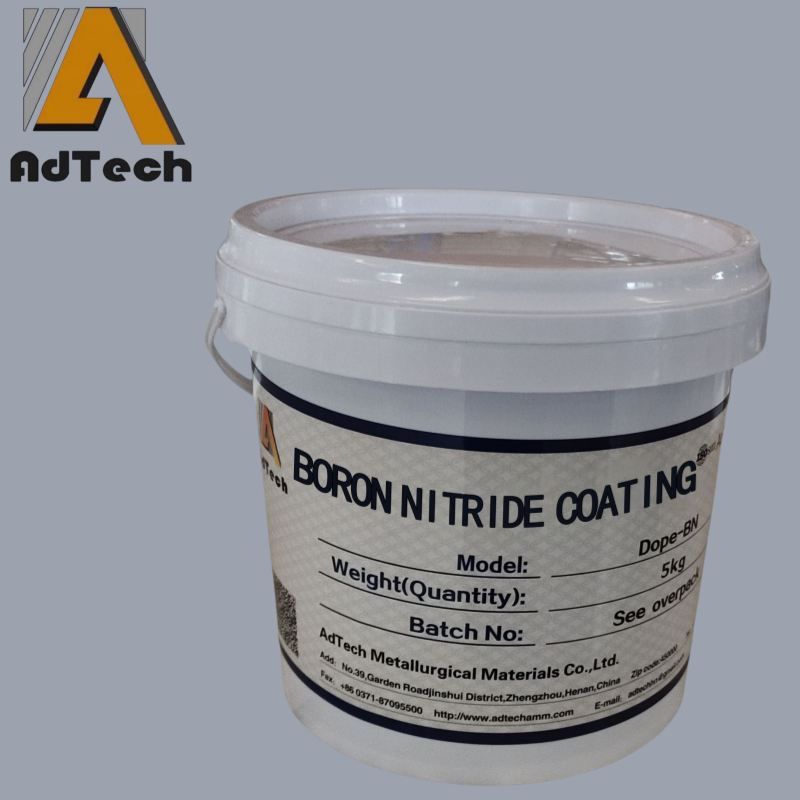
What Is Ingot Mold Coating?
Ingot mold coating, also known as aluminum mold paste or aluminum mold release agent, is a coating material applied to the inner surface of aluminum ingot molds before casting.
During casting, molten aluminum can react with or adhere to the metal mold surface. Without proper mold protection, this may cause:
- Difficulty removing the ingot from the mold
- Aluminum buildup on the mold surface
- Increased mold cleaning work
- Reduced production efficiency
The mold coating creates a separation layer between the molten aluminum and the mold, allowing the solidified ingot to be removed more easily after cooling.
Why Is Mold Release Agent Used in Aluminum Ingot Casting?
1. Prevent Aluminum from Sticking to the Mold
The main function of an aluminum mold release agent is to reduce the bonding between the aluminum ingot and the mold.
This helps:
- Improve demolding efficiency
- Reduce the risk of mold damage
- Minimize manual cleaning after casting
2. Improve Aluminum Ingot Surface Quality
A properly applied ingot mold coating helps create a more uniform contact surface between the aluminum melt and the mold.
This can contribute to:
- Smoother ingot surfaces
- Reduced surface defects caused by mold adhesion
- More consistent casting results
3. Reduce Mold Maintenance and Labor Costs
Without effective mold coating, operators may need to frequently remove aluminum residues from molds.
Using a suitable mold release agent can help:
- Extend cleaning intervals
- Reduce operator workload
- Improve casting line efficiency
Explore Our Ingot Mold Coating
How Does Ingot Mold Coating Work?
After application and drying, the coating forms a thin protective layer on the mold surface.
During aluminum casting:
- Molten aluminum enters the coated mold.
- The coating layer separates the aluminum from direct contact with the metal mold.
- After solidification, the aluminum ingot can be removed more easily.
The coating must have good adhesion to the mold surface while maintaining sufficient release performance during casting.
How to Apply Ingot Mold Coating?
The application process directly affects coating performance.
Step 1: Prepare the Mold Surface
Before applying the coating:
- Remove aluminum residues from the mold.
- Clean dust and contaminants.
- Ensure the mold surface is dry.
A clean surface helps the coating bond evenly.
Step 2: Dilute and Mix the Coating
Dilute the coating according to the recommended ratio and stir thoroughly until the mixture is uniform.
Step 3: Apply the Coating
The coating can be applied by:
- Brush application
- Spray gun application
Apply an even layer on the inner surface of the mold.
Avoid excessive coating thickness, as too much material may affect heat transfer and casting performance.
Step 4: Heat the Mold Before Casting
After coating, heat the mold to approximately 150°C or above to remove volatile components and stabilize the coating layer.
The mold is then ready for aluminum ingot casting.
How to Choose the Right Aluminum Mold Coating?
The suitable mold release agent depends on:
1. Casting Alloy Type
Different aluminum alloys may have different sticking behavior and casting temperatures.
2. Mold Material and Design
Iron and steel molds may require different coating performance depending on:
- Estado de la superficie
- Temperatura de funcionamiento
- Casting frequency
3. Production Conditions
For continuous aluminum ingot production, consider:
- Coating durability
- Application method
- Re-coating frequency
- Operator workload
Ponte en contacto con nosotros para recibir asesoramiento técnico
What Problems Can Happen Without Proper Mold Coating?
Using an unsuitable or poorly applied coating may lead to:
- Aluminum sticking to the mold
- Difficult ingot removal
- Excessive mold cleaning
- Uneven ingot surfaces
- Increased production downtime
Selecting the correct mold release agent helps maintain stable casting operations.
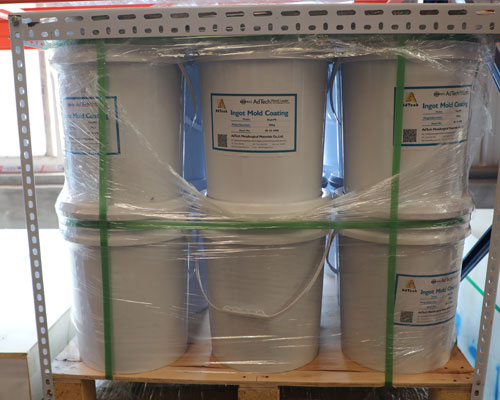
Conclusión
Ingot mold coating is an important auxiliary material for aluminum ingot casting. By preventing aluminum adhesion, improving demolding performance, and reducing mold maintenance, it helps aluminum producers maintain more stable casting operations.
Choosing the right mold release agent and applying it correctly are essential for achieving consistent aluminum ingot quality and production efficiency.
Preguntas frecuentes
1. What is ingot mold coating used for?
Ingot mold coating is used to prevent molten aluminum from sticking to the mold during casting and improve the demolding process of aluminum ingots.
2. Is ingot mold coating the same as aluminum mold release agent?
Yes. Ingot mold coating is also known as an aluminum mold release agent because it creates a protective layer between the aluminum melt and the mold surface.
3. Why does aluminum stick to the ingot mold?
Aluminum may stick to the mold due to direct contact between molten aluminum and the metal surface, unsuitable mold temperature, poor mold condition, or insufficient mold coating.
4. How does ingot mold coating improve aluminum ingot casting?
It forms a separation layer on the mold surface, making ingot removal easier, reducing aluminum buildup, and improving casting efficiency.
5. How do you apply ingot mold coating?
Ingot mold coating can be applied by brushing or spraying onto the clean and dry mold surface. The coated mold is then heated before aluminum casting.
6. What temperature is required before using ingot mold coating?
After applying the coating, the mold is usually heated to above 150°C to remove volatile components and stabilize the coating layer before casting.
7. How often should aluminum mold release agent be applied?
The application frequency depends on the casting process, alloy type, mold condition, and coating durability. Continuous casting operations may require more frequent inspection and reapplication.
8. Can ingot mold coating improve aluminum ingot surface quality?
Yes. A suitable mold coating can reduce sticking-related defects and help produce smoother and more consistent aluminum ingot surfaces.
9. What factors should be considered when choosing an aluminum mold release agent?
Important factors include aluminum alloy type, mold material, casting temperature, application method, and required coating service life.
10. What happens if aluminum ingot molds are used without proper coating?
Without proper mold coating, aluminum may adhere to the mold surface, causing difficult demolding, increased cleaning work, mold damage, and lower production efficiency.