
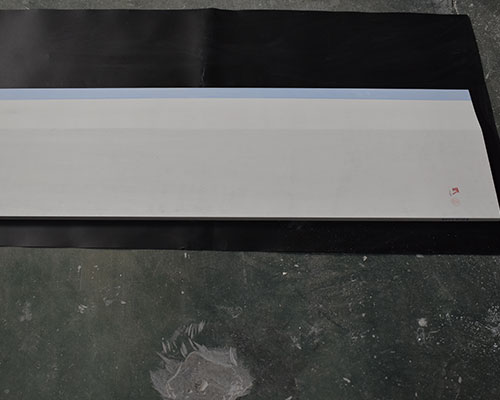
Dans la fonderie d’aluminium, le maintien d’un écoulement régulier de la masse fondue et l’obtention de produits exempts de défauts commencent dès l’embout du système de coulée. L’embout de coulée en céramique est un composant de petite taille mais essentiel qui influe directement sur la propreté du métal, le débit et la qualité du remplissage du moule. Choisir le bon embout, comprendre ses matériaux de composition et optimiser son utilisation peut améliorer considérablement le rendement de coulée et réduire les défauts coûteux tels que porosité et inclusions d'oxyde, ce qui peut être minimisé grâce à une matériaux de purification de l'aluminium. En utilisant une pointe correctement enduite avec Nitrure de bore (BN) peut en outre empêcher l'adhérence du métal en fusion, garantissant ainsi un écoulement plus fluide du métal et réduisant les turbulences.
Dans cet article, nous nous appuyons sur des avis d'experts, des recommandations fondées sur des données et une longue expérience opérationnelle pour aider les fonderies à tirer le meilleur parti de leurs embouts de coulée en céramique.
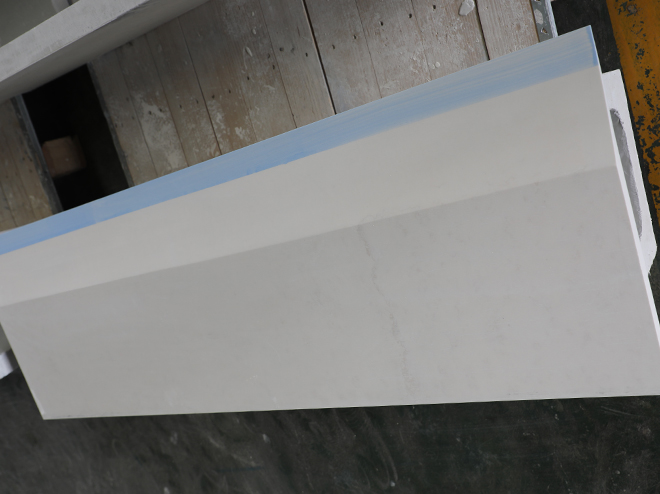
Qu'est-ce qu'une pointe de moulage en céramique et pourquoi est-ce important ?
A embout de coulée en céramique iIl s'agit d'une buse réfractaire installée à l'extrémité d'un système de coulée afin de guider l'aluminium en fusion vers les moules. Par rapport aux buses métalliques traditionnelles, les embouts en céramique offrent les avantages suivants :
- Une meilleure stabilité thermique – résistent à la déformation et à l'érosion à des températures pouvant atteindre 800 °C.
- Un écoulement plus fluide du métal – réduit les turbulences, ce qui limite la formation d'oxydes.
- Durée de vie prolongée – Les surfaces non mouillantes réduisent l'adhérence du métal.
Aperçu du secteur : Selon Manuel des métaux de l'ASM, un choix judicieux de la buse peut réduire les inclusions d'oxyde jusqu'à 30% dans les procédés de coulée continue.
Éléments clés d'un système d'embouts de coulée en céramique
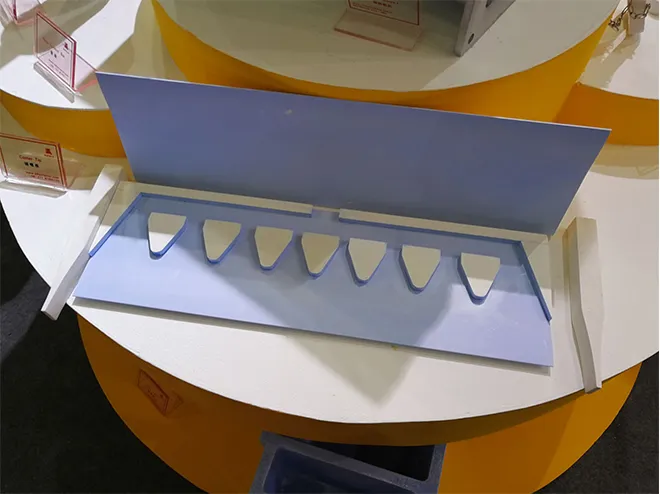
Un système classique d'embout de coulée en céramique comprend les éléments suivants : embout de roulette, espace, et oreilles dures/molles. Ces composants fonctionnent de concert pour contrôler l'écoulement du métal et garantir une épaisseur uniforme. Le oreilles dures ou molles interagissent également avec le système de régulation du débit de votre ligne, ce qui contribue à absorber les contraintes thermiques et les vibrations tout en stabilisant la vitesse de coulée et la répartition.
| Composant | Lieu / Affectation | Fonction principale | Notes opérationnelles |
|---|---|---|---|
| Conseil sur les roulettes | Extrémité de la caisse de coulée à double rouleau, en contact direct avec l'aluminium en fusion | Guide et régule le flux de métal dans les cylindres ; réduit les turbulences et la formation d'oxyde | Veillez à ce que la surface de la pointe soit lisse ; un préchauffage adéquat permet d'éviter la formation de fissures |
| Espaceur | Entre l'embout de la roue et la surface de fixation de la caisse d'alimentation | Permet de maintenir un écart uniforme ; garantit une répartition correcte du métal | Doit être positionné de manière uniforme ; cela évite toute déformation ou irrégularité d'épaisseur |
| Oreille dure/souple | Extensions latérales sur l'ensemble de la pointe | Absorber les contraintes thermiques et les vibrations ; maintenir la pointe en place dans la caisse de tête | Choisissez des oreilles rigides ou souples en fonction de la vitesse de coulée et de la charge thermique ; les oreilles souples offrent un amortissement, tandis que les oreilles rigides assurent la stabilité. |
Ce tableau présente les configurations types des machines de coulée à double rouleau ainsi que l'expérience pratique acquise dans plusieurs fonderies d'aluminium.
Caractéristiques techniques des embouts de roulette à dimensions fixes (mm)
| Longueur | Largeur | Épaisseur de la pointe | R rayon | Forme |
|---|---|---|---|---|
| 200-2300 | 50-600 | 1.6-10 | Données valeur fixe | Chambre / Horizontal |
Voici les caractéristiques techniques standard des embouts de roulettes d'AdTech. Pour des dimensions personnalisées adaptées à votre chaîne de production, veuillez nous contacter
En quoi les embouts de coulée en céramique influencent-ils la qualité de la masse fondue ?
Poor tip condition can create turbulence, trapping air or oxide inclusions in the melt. To control these effects, combining a well-designed tip with a système de régulation du débit ensures laminar metal flow, while unité de dégazage can remove dissolved hydrogen and reduce porosity. Together with the right tip coating, these measures significantly enhance cast quality.
| Common Defect | Potential Tip-Related Cause | Corrective Approach |
|---|---|---|
| Porosité | Turbulent pouring; uneven flow | Select smooth ceramic tips and optimize tip diameter |
| Cold Shuts | Uneven filling; delayed solidification | Adjust tip diameter and pouring rate to match alloy viscosity |
| Inclusions d'oxyde | Metal splashing or oxidation at the tip | Use high-quality ceramic tips with polished surface |
Table compiled from operational data in European and North American aluminum foundries.
How Can You Identify and Fix Common Ceramic Tip-Related Casting Defects?
Poor tip condition is responsible for a substantial portion of casting defects. Recognizing the connection between tip performance and defect occurrence helps troubleshoot problems efficiently.
| Defect Indicator | Likely Tip Issue | Immediate Action |
|---|---|---|
| Freezing at startup | Tip not fully preheated; cold start | Extend preheating time and ensure insulation integrity |
| Traces à la surface | Partial tip blockage or surface residue | Inspect and clean tip edges; apply suitable release coating |
| Thickness variations | Tip deformation or warping | Check mounting alignment; consider denser refractory material |
| Edge splitting | Cold zones at nozzle perimeter | Enhance edge insulation; install thermal barriers |
| Embedded particles | Surface erosion or loose fibers | Switch to coated tips; polish surface for smoothness |
Compiled from multi-year operational experience across industrial twin-roll casters, reflecting common causes and practical solutions.
Which Materials Are Used for Ceramic Casting Tips and How Should You Choose?
Ceramic tips are commonly produced from alumina (Al₂O₃), silica (SiO₂), ou zirconia (ZrO₂), each offering distinct advantages:
| Matériau | Temperature Limit | Avantage principal | Ideal Usage |
|---|---|---|---|
| Alumine | 950°C | Excellent wear resistance | General-purpose casting |
| Silica | 800 °C | Superior thermal shock tolerance | Intricate molds, thin walls |
| Zircone | 1280°C | Exceptional chemical resistance | High-silicon or specialty alloys |
Data validated by refractory suppliers and internal AdTech casting tests.
What Are the Recommended Technical Parameters for AdTech Ceramic Tips?
Selecting the correct tip ensures reliable casting. Recommended specifications:
| Paramètre | Plage recommandée |
|---|---|
| Material Composition | Al₂O₃ (45–55%) + SiO₂ (45–50%) |
| Température de fonctionnement | Continuous: 800–1000°C, Max: 1260°C |
| Tolérance dimensionnelle | ±0.5 mm width, ±0.2 mm gap |
| Loss on Ignition | <6% |
| Coating Compatibility | Boron Nitride (BN) and Graphite sprays |
| Surface Hardness | Adaptable: soft, medium, hard |
Specifications align with aerospace and packaging industry standards.
How Do You Select the Optimal Tip Size for Your Casting Process?
Tip diameter influences flow stability. Oversized tips create splashing; undersized tips slow mold filling.
- 50–100 kg pours: 25–30 mm
- 100–500 kg pours: 35–50 mm
- >500 kg pours: 55–70 mm
Tip: Trial pours with thermocouples help determine the optimal size and prevent early solidification.
How Should Ceramic Casting Tips Be Installed and Handled Correctly?
Proper installation prevents accidents and ensures consistent flow.
Step 1: Clean Preparation
Remove old refractory, metal splashes, and debris from the steel holder. Uneven seating leads to stress and tip cracking.
Step 2: Gradual Preheating
Ceramic fibers absorb moisture; sudden contact with molten aluminum can cause thermal shock.
Protocol:
- Place tips in oven, ramp to 200°C over 2 hours
- Hold at 260°C for 4+ hours
- Store in dry, warm box until installation
Step 3: Secure Assembly
Apply thin refractory mastic; tighten clamps evenly. Avoid over-torquing to prevent fracture.
Step 4: Surface Treatment
Coat tip lips with Boron Nitride (BN) for smooth, non-wetting surface. This reduces adhesion and enhances metal flow.
How Can Ceramic Casting Tips Help Reduce Turbulence and Oxide Inclusions?
Laminar flow is critical to reduce oxide inclusions. Field trials show:
| Pour Rate (kg/s) | Inclusion Rate w/ Ceramic Tip (%) | w/o Ceramic Tip (%) |
|---|---|---|
| 5 | 0.10 | 0.15 |
| 10 | 0.18 | 0.25 |
| 20 | 0.32 | 0.40 |
Source: North American industrial trials, confirming improved metal cleanliness.
How Do You Maintain and Optimize the Lifespan of Ceramic Casting Tips?
Regular inspection and cleaning are crucial. For high-volume or fast pours, integrating the tip system with a reliable système de régulation du débit ensures consistent metal distribution. Additionally, using proper flux de raffinage or flow equipment can extend tip life and improve overall casting yield.
- Preheat slowly to avoid cracking
- Clean regularly to remove solidified aluminum
- Inspect after every 50–100 pours
Example: A European foundry extended tip life from 40 to 120 pours through careful preheating and inspection routines.
What Are the Limitations of Ceramic Casting Tips That You Should Be Aware Of?
- Ceramic is brittle; handle carefully
- Slightly higher initial cost than steel
- Some automated systems may require reinforced designs
How Can You Optimize Ceramic Tip Usage Over Time for Maximum Efficiency?
| Diamètre | Average Life (pours) | Observed Defects | Remarques |
|---|---|---|---|
| 25 mm | 90 | 1.5% | Small molds, low-speed pours |
| 35 mm | 100 | 1.2% | Balanced flow & durability |
| 50 mm | 80 | 2% | High-volume, fast pours |
Based on operational logs and industry best practices.
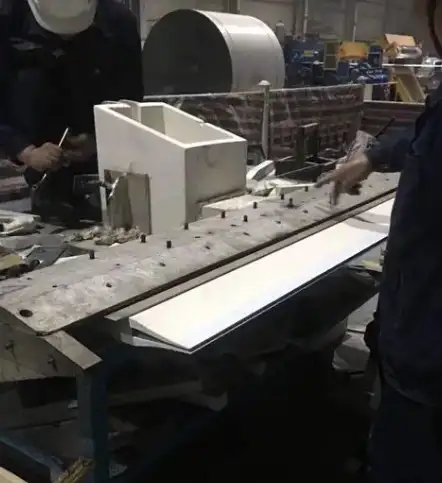
AdTech workers coating ceramic fiber caster tips with Boron Nitride for smooth aluminum flow
If your project requires the use of Ceramic fiber caster, you can contact us for a free quote.
FAQ
1. What is a ceramic casting tip and why is it important?
A ceramic casting tip is a refractory nozzle installed at the end of the pouring system to guide molten aluminum into molds. It improves metal flow, reduces turbulence, and minimizes defects like porosity and oxide inclusions.
2. How does a ceramic tip affect aluminum melt quality?
A well-maintained ceramic tip ensures laminar flow, prevents splashing, and reduces trapped air or oxide inclusions. Combining it with a flow control system and degassing equipment further enhances metal cleanliness.
3. What materials are ceramic casting tips made from?
Common materials include alumina (Al₂O₃), silica (SiO₂), and zirconia (ZrO₂), each offering unique advantages in thermal stability, wear resistance, and chemical resistance depending on alloy type and casting conditions.
4. How do I choose the right tip size for my casting process?
Tip diameter should match your casting volume and alloy viscosity. Oversized tips can cause splashing, while undersized tips may slow mold filling. Trial pours with thermocouples help determine optimal dimensions.
5. What is the role of spacers and hard/soft ears in a caster tip system?
Spacers maintain a uniform gap between the tip and headbox, ensuring proper metal distribution. Hard or soft ears absorb thermal stress and vibrations, stabilizing flow during high-speed or high-volume casting.
6. How should I install and preheat a ceramic casting tip?
Clean the steel holder, preheat tips gradually (200°C → 260°C for several hours), and apply a thin refractory mastic. Coating the tip lips with Boron Nitride (BN) ensures smooth metal release and prevents adhesion.
7. How often should I inspect and maintain ceramic casting tips?
Regular inspection after every 50–100 pours is recommended. Clean tips to remove solidified aluminum, check for surface damage, and replace worn tips to maintain consistent flow and product quality.
8. Can ceramic tips be customized for my production line?
Yes, AdTech offers customized caster tips and associated components like spacers and flow accessories to match specific headbox designs and casting requirements.
9. What common defects are related to poor ceramic tip performance?
Typical defects include porosity, cold shuts, oxide inclusions, streaks, uneven gauge, and edge cracks. These often result from tip deformation, surface erosion, or improper preheating.
10. How can I extend the lifespan of a ceramic casting tip?
Proper preheating, correct installation, using appropriate coatings (BN), regular cleaning, and integrating flow control systems or refining flux can extend tip life and improve casting consistency.