
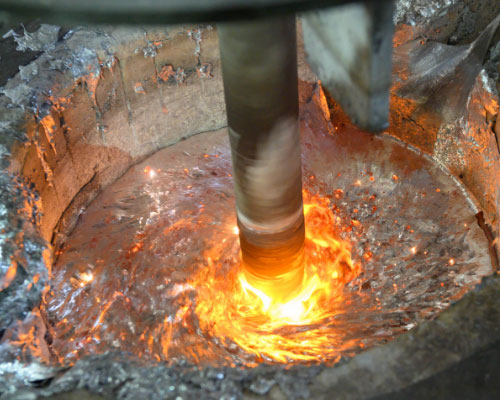
Gas porosity is one of the most common quality problems in aluminum casting. In many cases, the root cause is dissolved hydrogen in molten aluminum.
Unlike solid aluminum, molten aluminum can absorb hydrogen from moisture in the surrounding environment. If excessive hydrogen remains in the melt before casting, it may form gas pores during solidification, affecting mechanical properties, surface quality, and product reliability.
This is why molten aluminum degassing is an important step in aluminum melt treatment. By removing dissolved hydrogen before casting, manufacturers can achieve more consistent melt quality and reduce hydrogen-related casting defects.
Why does molten aluminum contain hydrogen?
The main source of hydrogen in molten aluminum is moisture.
When molten aluminum comes into contact with water vapor, a chemical reaction can occur between aluminum and moisture, producing hydrogen. This hydrogen can then dissolve into the liquid metal.
Common sources of hydrogen include:
- Moisture in the air
- Wet scrap materials
- Damp tools or ladles
- Insufficiently preheated refractory materials
- Moisture from furnace environments
Because aluminum melts are highly reactive, completely preventing hydrogen absorption during production is difficult. Therefore, aluminum producers need an effective method to remove dissolved hydrogen before casting.
Why does hydrogen cause problems in aluminum casting?
The solubility of hydrogen changes significantly between liquid and solid aluminum.
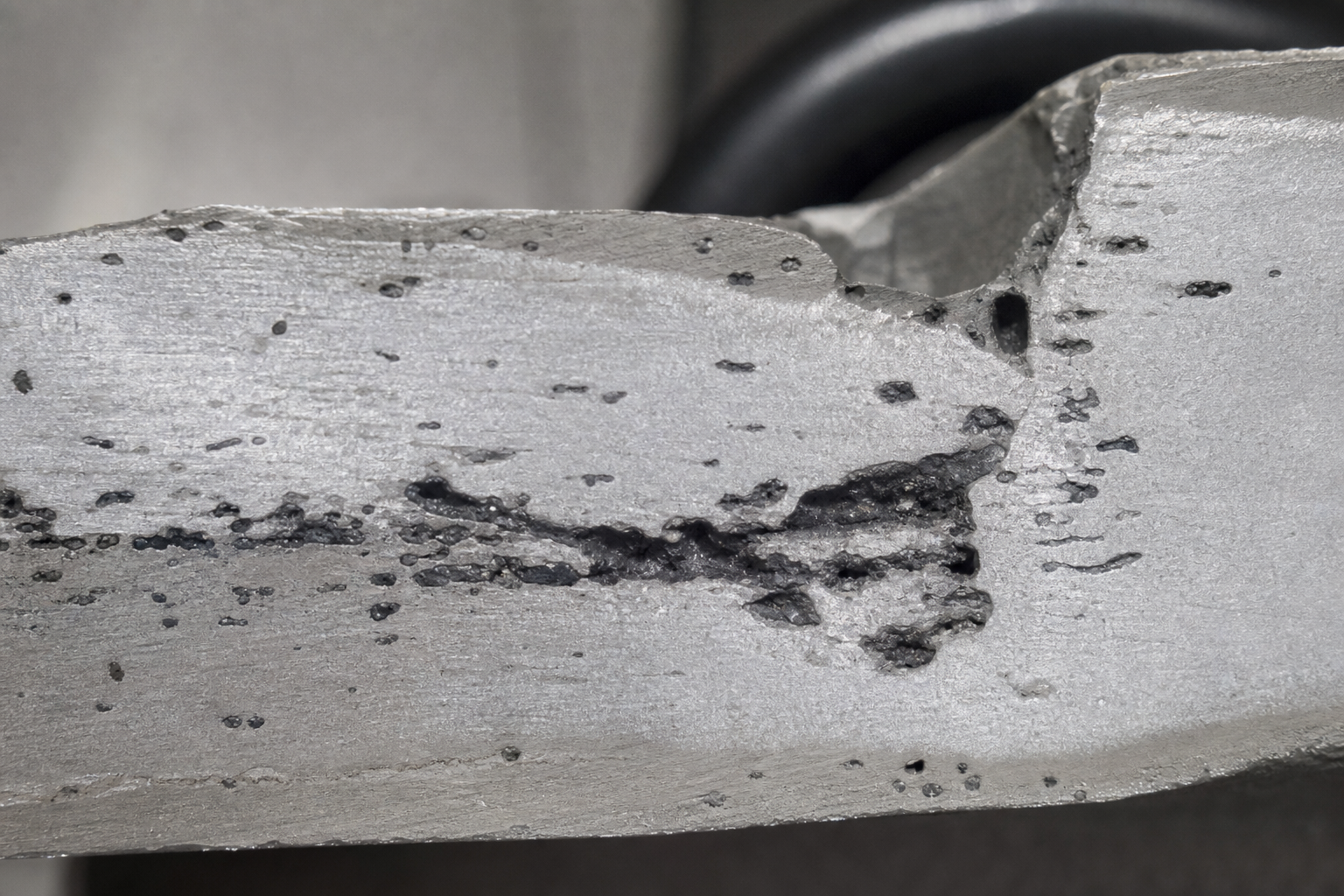
Molten aluminum can hold much more dissolved hydrogen than solid aluminum. During solidification, the excess hydrogen must leave the metal. If it cannot escape properly, it forms gas bubbles inside the casting.
These hydrogen pores may lead to:
- Internal porosity
- Resistencia mecánica reducida
- Lower ductility
- Leakage problems in pressure applications
- Machining defects
- Increased scrap rates
A key point is that aluminum melt can look clean while still containing excessive dissolved hydrogen. Visual inspection alone cannot determine melt quality.
How does molten aluminum degassing work?
The most common industrial degassing method is inert gas treatment.
During the process, an inert gas such as argon or nitrogen is introduced into the molten aluminum. The gas forms bubbles inside the melt, and dissolved hydrogen diffuses from the aluminum into these bubbles.
The bubbles then rise to the surface and remove hydrogen from the melt.
The basic process is:
Inert gas injection → Fine bubbles form → Hydrogen transfers into bubbles → Bubbles rise → Hydrogen leaves the melt
The effectiveness of degassing depends largely on the size and distribution of the bubbles. Smaller bubbles provide a larger contact area with the molten aluminum, improving hydrogen removal efficiency.
Why is a rotary degassing system widely used?
Simply injecting gas into molten aluminum can create large bubbles that quickly escape from the melt without sufficient contact time.
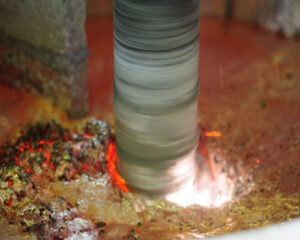
A rotary degassing system uses a rotating graphite rotor or similar device to break the inert gas into many fine bubbles and distribute them throughout the melt.
The process includes:
- The rotor is immersed into molten aluminum.
- Inert gas is introduced through the rotor.
- Rotation creates finely dispersed bubbles.
- Hydrogen transfers from the aluminum melt into the bubbles.
- The bubbles carry hydrogen to the surface.
Compared with simple gas injection, rotary degassing provides better bubble dispersion and more stable hydrogen removal performance.
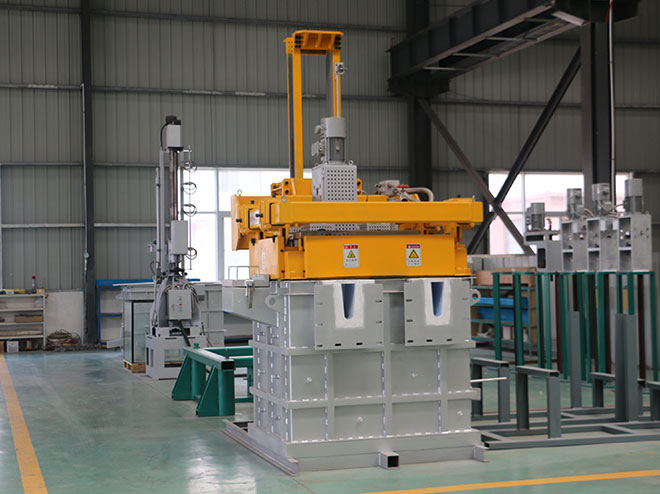
Explore Our Onlie Degassing Equipment
What is the difference between degassing and filtration?
Degassing and filtration are both important parts of aluminum melt treatment, but they solve different problems.
| Process | Main purpose |
|---|---|
| Desgasificación | Removes dissolved hydrogen from molten aluminum |
| Filtración con espuma cerámica | Removes solid non-metallic inclusions |
| Flux treatment | Helps clean the melt and modify/remove impurities |
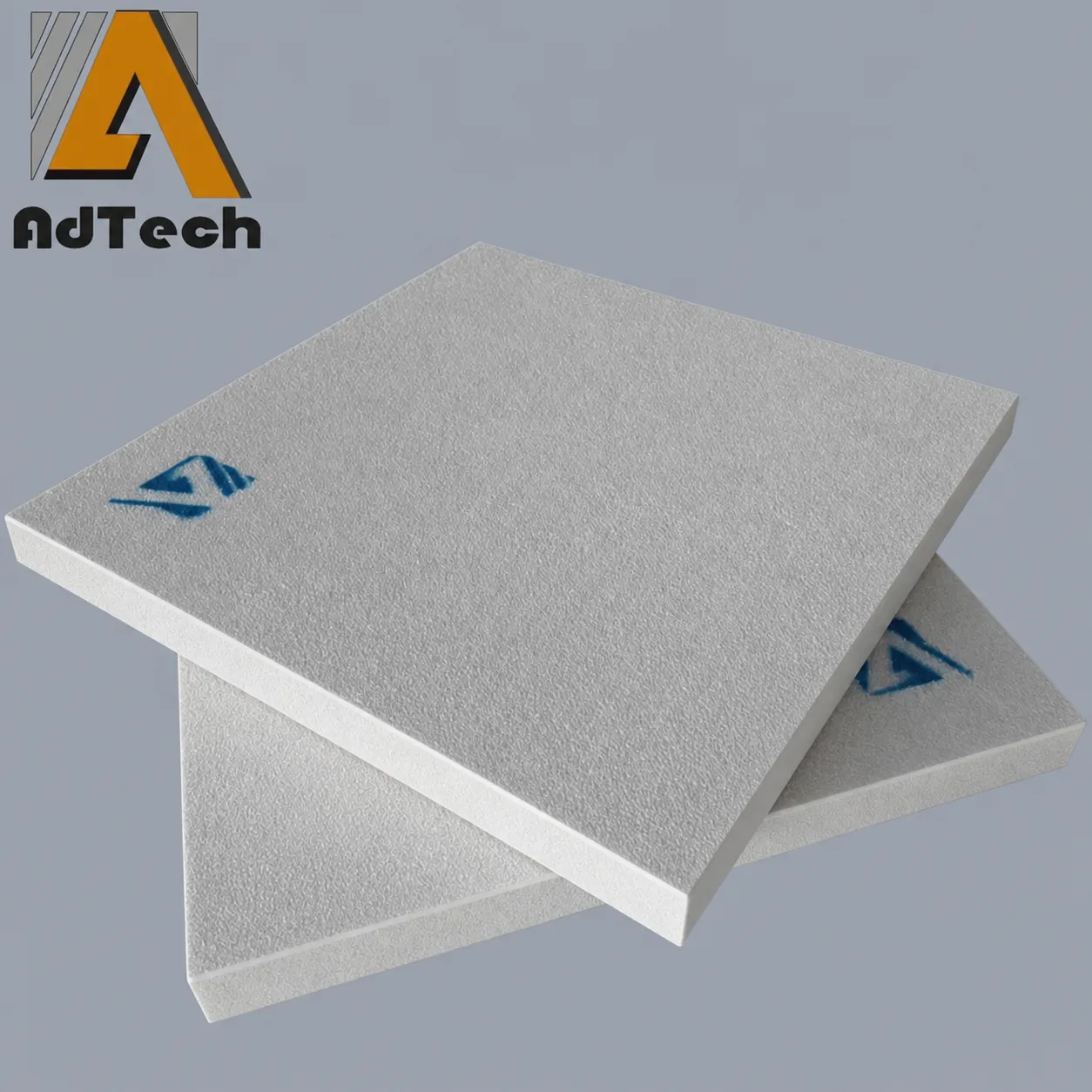
A common misunderstanding is that a ceramic foam filter can remove all melt impurities. However, ceramic foam filters mainly capture solid inclusions such as oxides and cannot remove dissolved hydrogen.
If aluminum products have both porosity problems and inclusion defects, degassing and filtration may need to be used together.
Is flux enough for aluminum degassing?
Flux treatment can help improve molten aluminum cleanliness, but its effect depends on the type and formulation of the flux.
Different fluxes are designed for different purposes, such as:
- Removing oxides and dross
- Improving melt cleanliness
- Covering and protecting the melt
- Supporting specific alloy treatment requirements
For controlled hydrogen removal, rotary inert gas degassing is generally the more direct and widely used method.
Ponte en contacto con nosotros para recibir asesoramiento técnico
When should aluminum producers consider degassing?
Degassing should be considered when aluminum casting quality is affected by hydrogen-related problems, such as:
- Gas porosity after casting
- Internal voids found during machining
- Unstable mechanical properties
- Increased rejection rates
- Quality differences between production batches
However, porosity is not always caused by hydrogen. Other factors, including shrinkage, alloy composition, casting temperature, and solidification conditions, should also be evaluated.
How can degassing performance be improved?
A good degassing result depends on more than just using inert gas.
Important factors include:
Gas type and flow rate
Argon is commonly used because it is chemically inert. The gas flow rate should be optimized to create effective bubble distribution without causing excessive turbulence.
Rotor design and rotation speed
The rotor plays an important role in bubble size and distribution. A properly designed rotor can improve contact between gas bubbles and molten aluminum.
Duración del tratamiento
Insufficient treatment time may leave excessive hydrogen in the melt, while excessive treatment may reduce production efficiency.
Melt handling practices
Wet tools, contaminated charge materials, and unnecessary exposure to air can increase hydrogen pickup and reduce degassing effectiveness.
How do you choose a molten aluminum degassing system?
The suitable degassing solution depends on several production factors:
- Aluminum alloy type
- Volumen de fusión
- Furnace capacity
- Casting requirements
- Required hydrogen level
- Treatment frequency
A degassing system should be selected according to the actual production process rather than only equipment capacity.
Conclusión
Hydrogen control is an essential part of producing high-quality aluminum castings.
Because molten aluminum naturally absorbs hydrogen from moisture during melting and handling, degassing is used to remove dissolved hydrogen before casting.
A rotary degassing system improves this process by creating finely dispersed inert gas bubbles, allowing hydrogen to transfer from the aluminum melt and escape.
For stable aluminum melt quality, degassing should work together with other melt treatment methods, including flux treatment and ceramic foam filtration. Each process targets a different source of quality problems and together they help manufacturers produce cleaner, more reliable aluminum products.
Preguntas frecuentes
1. What is molten aluminum degassing?
Molten aluminum degassing is a process that removes dissolved hydrogen from aluminum melt before casting to reduce gas porosity.
2. Why does aluminum melt need degassing?
Aluminum melt needs degassing because dissolved hydrogen can form pores during solidification and affect casting quality.
3. What gas is used for aluminum degassing?
Argon and nitrogen are commonly used as inert gases for aluminum melt degassing.
4. How does a rotary degassing system work?
A rotary degassing system injects inert gas through a rotating rotor to create fine bubbles that absorb dissolved hydrogen from molten aluminum.
5. Can ceramic foam filters remove hydrogen from aluminum melt?
No. Ceramic foam filters remove solid inclusions, while degassing is used to remove dissolved hydrogen.
6. What causes hydrogen in molten aluminum?
Hydrogen mainly enters molten aluminum through moisture in the air, wet charge materials, and damp tools or equipment.
7. Does aluminum degassing reduce porosity?
Yes. Removing dissolved hydrogen before casting can significantly reduce hydrogen-related gas porosity.
8. How long does aluminum melt degassing take?
The treatment time depends on melt volume, hydrogen level, gas flow rate, rotor design, and process requirements.
9. What is the difference between degassing and flux treatment?
Degassing mainly removes dissolved hydrogen, while flux treatment is mainly used for melt cleaning and impurity control.
10. How do I choose an aluminum degassing system?
The right degassing system depends on alloy type, melt volume, casting process, and required melt quality.
Artículos relacionados:
 Sistemas de refinado y desgasificación en línea
 Desgasificación del aluminio fundido
 Desgasificación con hidrógeno
 Refinado con gases inertes
 Caja de desgasificación giratoria
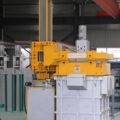 Equipos de desgasificación de AdTech
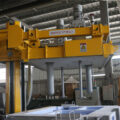 Unidad de desgasificación rotativa en línea
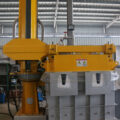 Dispositivo de desgasificación de metal fundido
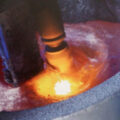 Métodos de desgasificación en línea
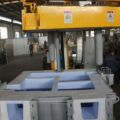 Dispositivo de desgasificación
 Desgasificación del aluminio fundido
 Desgasificación rotativa con nitrógeno