
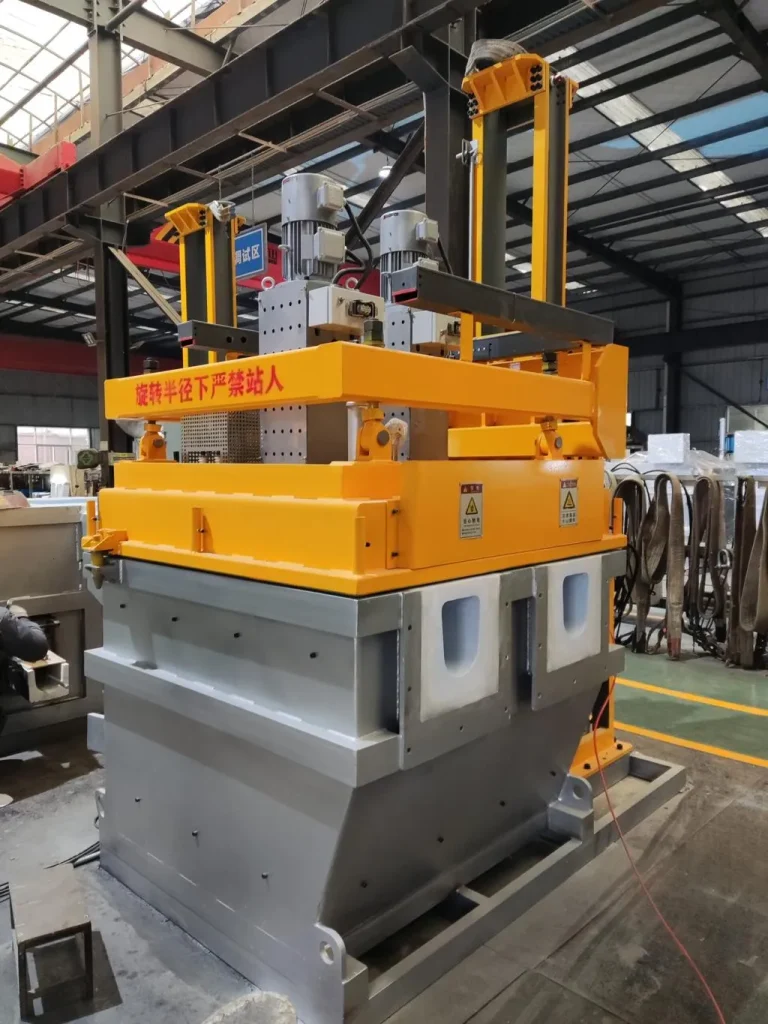
Degassing molten aluminum primarily removes dissolved hydrogen, not surface dross. If your melt produces excessive dross, increasing degassing time or gas flow will not necessarily solve the problem. Hydrogen removal, flux treatment, and dross skimming serve different purposes. Understanding these differences helps foundries choose the right treatment instead of using degassing equipment to address an unrelated melt-quality issue.
Why Doesn’t Degassing Remove Surface Dross?
Dissolved hydrogen and aluminum dross are two different types of melt contamination.
Hydrogen exists in molten aluminum in a dissolved state. During rotary degassing, nitrogen or argon is dispersed into the melt as fine bubbles. Dissolved hydrogen transfers into these bubbles and leaves the metal as they rise to the surface.
Dross, on the other hand, is an oxide-rich material formed when molten aluminum reacts with oxygen. It accumulates on the melt surface and may contain aluminum trapped within the oxide structure.
These two problems require different treatment approaches:
| Melt Quality Problem | Main Treatment |
|---|---|
| Hidrógeno disuelto | Desgasificación rotativa |
| Surface dross | Drossing flux and skimming |
| Solid non-metallic inclusions | Filtración con espuma cerámica |
Gas bubbles may also carry some suspended particles toward the surface during rotary treatment. However, this does not mean that degassing alone can remove accumulated surface dross or replace proper dross management.
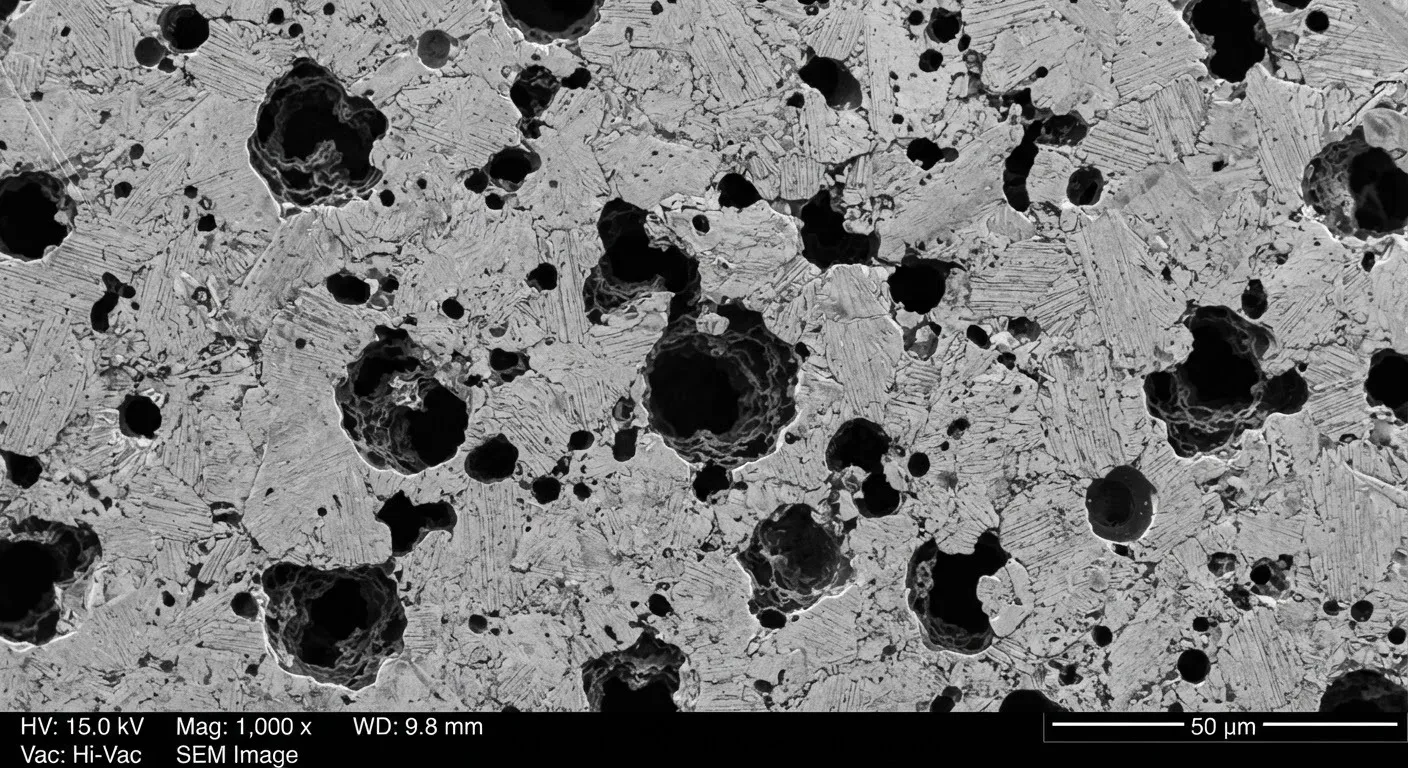
If your main concern is gas porosity inside castings, hydrogen control should be investigated. If the problem is excessive material accumulating on the melt surface, furnace practices and dross treatment deserve closer attention.
What Causes Excessive Dross in Molten Aluminum?
Dross formation is a natural result of aluminum oxidation during melting and handling. However, excessive dross may indicate that operating conditions are promoting unnecessary oxidation or metal disturbance.
Common contributing factors include:
- Temperatura de fusión excesiva: Higher temperatures can accelerate oxidation and increase metal loss during holding and processing.
- Long holding time: Prolonged exposure of molten aluminum to the furnace atmosphere can increase oxide formation.
- Turbulent metal movement: Excessive stirring, charging, pouring, and transferring can expose fresh metal surfaces to air and fold oxide films into the melt.
- Alloy composition: Different aluminum alloys have different oxidation behaviors. Magnesium-containing alloys, for example, may form different types of surface oxides.
- Furnace operating conditions: Furnace condition, atmosphere, burner adjustment, and metal-handling practices can all influence oxidation and dross generation.
Therefore, producing excessive dross does not necessarily indicate a degassing problem. Foundries should first review melt temperature, holding time, charging practices, and metal transfer conditions.
What Is the Role of Salt Flux in Dross Removal?
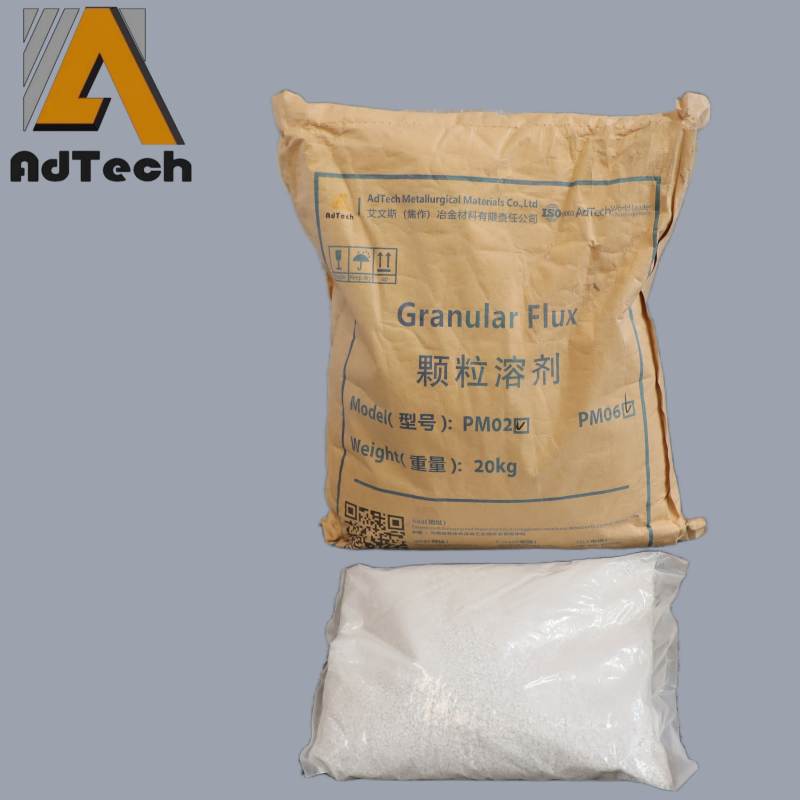
Salt-based fluxes are used in aluminum melting for different purposes, depending on their chemical composition and formulation.
Some fluxes form a protective layer over the molten metal to limit oxidation. Others are designed to assist dross separation, making it easier to remove the oxide-rich material while recovering aluminum trapped within it.
Sodium chloride (NaCl) and potassium chloride (KCl) are common base components in many aluminum salt flux formulations. When combined in suitable proportions, they can form a lower-melting salt mixture than either pure component.
However, not all salt mixtures have the same function. A covering flux, a drossing flux, and a refining flux are designed for different treatment objectives. Their effectiveness depends on the complete formulation, alloy composition, and operating conditions.
The important distinction is that a flux used to improve dross separation does not automatically provide the same hydrogen-removal performance as a dedicated degassing process.
For this reason, the flux should be selected according to the actual treatment requirement rather than simply choosing a salt mixture and applying it to every melt.
How Should Foundries Deal with Excessive Aluminum Dross?
When excessive dross appears, the first step should be to identify why it is forming rather than simply increasing the amount of flux or extending the degassing cycle.
A practical approach includes:
- Review melting and holding temperatures. Keep the melt within the required process temperature range and avoid unnecessary overheating.
- Reduce unnecessary metal disturbance. Avoid excessive stirring, splashing, and turbulence during charging and transfer.
- Check holding time and furnace conditions. Prolonged holding and poor furnace operation can promote additional oxidation.
- Use a suitable flux. Select a covering, drossing, or refining flux according to the alloy and treatment objective.
- Skim the surface dross. Remove accumulated oxide-rich material using appropriate tools and operating procedures.
Flux selection is particularly important for alloy compatibility. For example, sodium-containing fluxes may not be suitable for certain magnesium-rich alloys because sodium pickup can affect alloy chemistry. The flux composition should therefore be checked before use.
When Is Degassing Still Necessary?
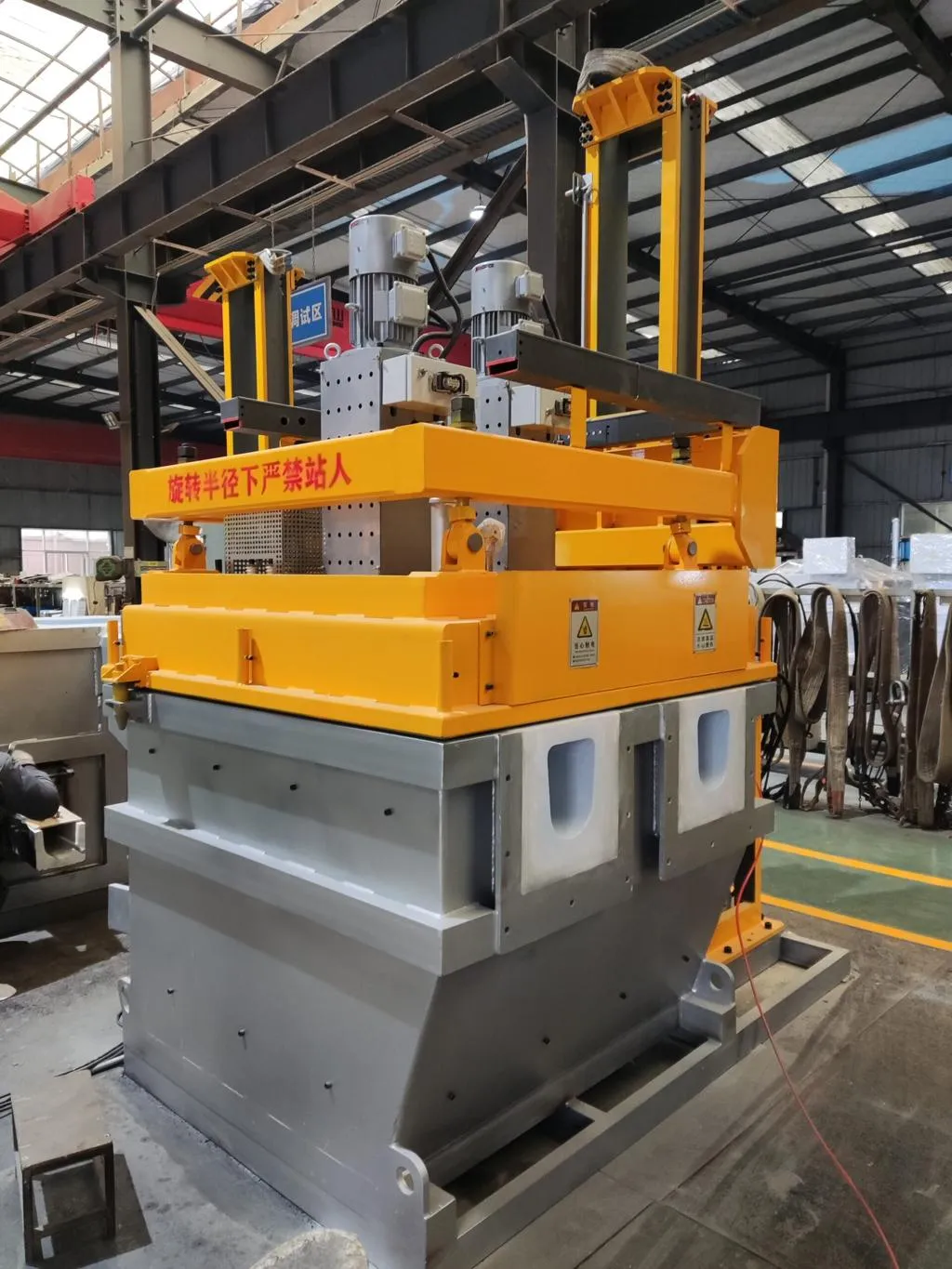
Although degassing does not replace dross removal, it remains important when dissolved hydrogen is above the required process level.
Hydrogen-related porosity may appear as small internal pores in castings or become visible after cutting and machining. However, porosity can also have other causes, including shrinkage and oxide-film-related defects. A visual inspection alone cannot confirm that hydrogen is the only problem.
Where hydrogen control is required, rotary degassing with nitrogen or argon can reduce the dissolved hydrogen content before casting. The treatment parameters should be selected according to the alloy, melt volume, initial hydrogen level, and required casting quality.
The key is to identify the actual problem:
- Excessive surface dross requires attention to oxidation, flux treatment, and skimming.
- High dissolved hydrogen requires an appropriate degassing process.
- Excessive solid inclusions require suitable filtration.
Using the correct treatment for each problem helps avoid unnecessary gas consumption, flux use, and metal loss.
AdTech Solutions for Molten Aluminum Treatment
AdTech provides online degassing units and aluminum refining fluxes for different molten metal treatment requirements.
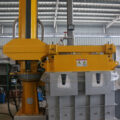
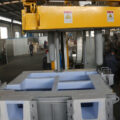
AdTech online degassing equipment uses rotary technology to introduce nitrogen or argon into molten aluminum, helping reduce dissolved hydrogen before casting. For dross and melt-cleaning applications, the selection of refining flux should be based on the alloy composition and the specific treatment objective.
These products address different aspects of molten aluminum processing. A degassing unit should be selected for hydrogen removal, while a suitable flux should be selected for its intended refining or dross-management function.
When evaluating a treatment solution, provide your alloy grade, furnace type, production conditions, and the main problem you are experiencing, such as excessive dross, hydrogen-related porosity, or solid inclusions. This information helps identify the appropriate treatment approach.
Preguntas frecuentes
1.Does degassing molten aluminum remove surface dross?
No. Degassing primarily removes dissolved hydrogen from molten aluminum. Surface dross consists mainly of oxides and trapped metal, which require appropriate flux treatment and skimming.
2.What is the difference between aluminum degassing and dross removal?
Degassing reduces dissolved hydrogen through inert gas treatment, while dross removal separates oxide-rich material accumulated on the molten aluminum surface. They address different melt-quality problems.
3.What causes excessive dross in molten aluminum?
Excessive dross can result from high melt temperatures, prolonged holding time, turbulent metal movement, alloy composition, and unsuitable furnace operating conditions. These factors can increase oxidation and metal loss.
4.Can increasing degassing time reduce aluminum dross?
Not necessarily. Extending the degassing cycle may not reduce surface dross because degassing is designed primarily for hydrogen removal. Excessive dross should be investigated through furnace conditions, metal handling, and flux selection.
5.What is aluminum drossing flux used for?
Drossing flux is formulated to assist in separating oxide-rich dross from molten aluminum and recovering aluminum trapped within it. Its effectiveness depends on the formulation and operating conditions.
6.What is the difference between covering flux and drossing flux?
Covering flux is used to form a protective layer over molten aluminum and help limit oxidation. Drossing flux is designed to assist in separating and removing accumulated dross. Their compositions and applications may differ.
7.Are sodium chloride and potassium chloride used in aluminum fluxes?
Yes. Sodium chloride (NaCl) and potassium chloride (KCl) are common base components in some aluminum salt flux formulations. Their proportions and additional ingredients depend on the intended application.
8.Can the same aluminum flux be used for every alloy?
No. Flux compatibility depends on its chemical composition and the alloy being processed. Certain flux formulations may be unsuitable for magnesium-rich alloys or other specific applications. Always check the manufacturer’s recommendations before use.
9.How can foundries reduce excessive dross formation?
Foundries can review melt temperature, reduce unnecessary holding time, avoid excessive stirring and turbulence, maintain suitable furnace conditions, and select an appropriate flux. Regular skimming also helps remove accumulated surface dross.
10.When should an aluminum foundry use degassing and filtration together?
When both dissolved hydrogen and solid non-metallic inclusions need to be controlled, degassing and ceramic foam filtration can be used together. Degassing reduces hydrogen, while ceramic foam filters capture solid inclusions before casting.
Artículos relacionados:
 Sistemas de refinado y desgasificación en línea
 Refinado con gases inertes
 Dispositivo de desgasificación
 Dispositivos de desgasificación de hidrógeno
 Dispositivo de desgasificación de metal fundido
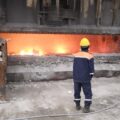 Desgasificación con hidrógeno
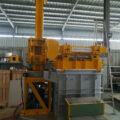 Sistema de desgasificación en línea
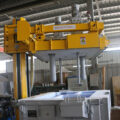 Caja de desgasificación giratoria
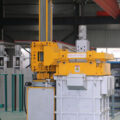 Equipos de desgasificación de AdTech
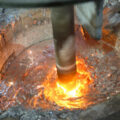 Desgasificación de metales
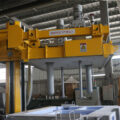 Unidad de desgasificación rotativa en línea
 Desgasificación del aluminio fundido