
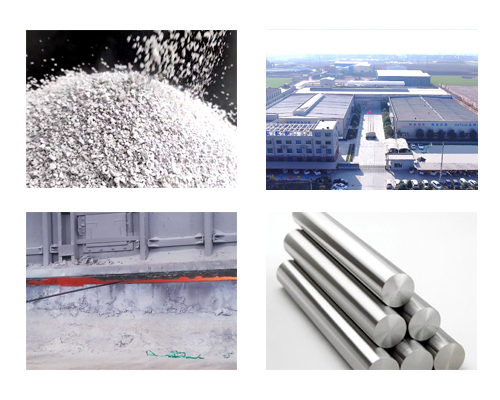
Achieving high-quality aluminum castings requires more than selecting the right alloy or designing the mold correctly. Controlling hydrogen content, oxide inclusions, alkali metals, and surface quality is critical. One of the most effective solutions is using Aluminium Granular Flux.
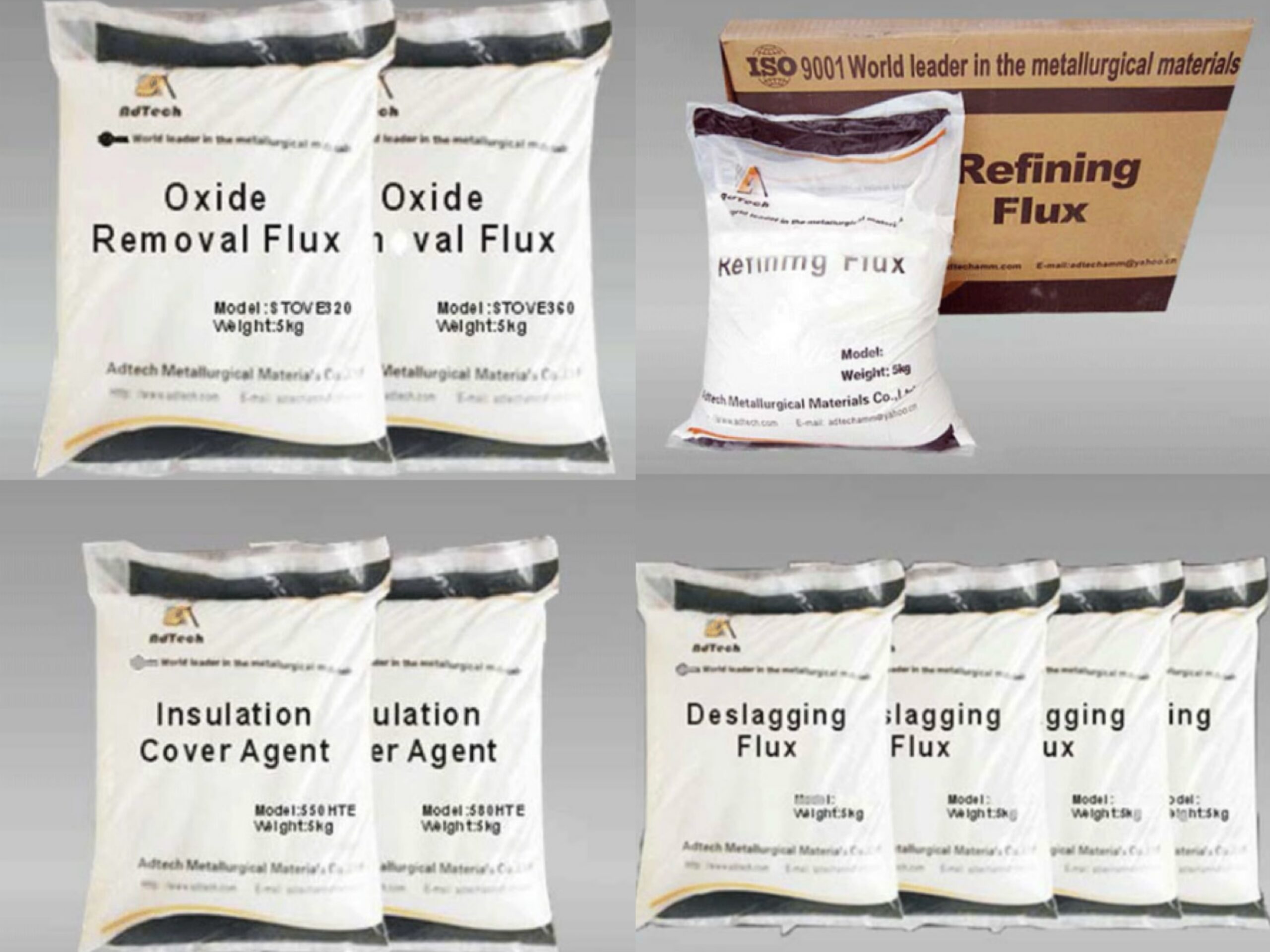
At AdTech, we offer a full range of granular fluxes, including oxide removal flux, tundish flux, refining flux, and degassing flux, designed to optimize molten aluminum, enhance casting quality, and improve production efficiency.
This guide provides a step-by-step approach, real-world examples, and practical safety considerations for foundries.
What Is Aluminium Granular Flux and Why It Matters
Aluminium Granular Flux is a dust-free, environmentally friendly flux used for molten aluminum treatment. It was developed to overcome the drawbacks of traditional powder fluxes, which include:
- Dusting during application
- Emission of toxic fumes
- Inconsistent efficiency due to powder morphology
Granulated flux addresses these issues, offering cleaner, safer, and more reliable performance in foundry operations.
Key Advantages
- Increases extrusion speed and die life when extruding profiles
- Reduces breaks in continuous casting
- Eliminates edge cracks during aluminum rolling
- Non-hazardous composition
- Low melting point for rapid dispersion
- Removes alkali metals such as Na, Ca, and Mg
Aluminium Granular Flux is typically a eutectic salt composed of MgCl₂ (anhydrous), KCl, NaCl, and sometimes CaF₂ or complex fluorides like Na₃AlF₆ and K₃AlF₆. These raw materials are fused at high temperature, cooled, and crushed into uniform granules.
- Some fluxes are fluoride- and sodium-free, ideal for high-magnesium aluminum alloys.
- Adding small amounts of calcium fluoride to MgCl₂/KCl flux significantly improves inclusion and alkali removal performance.
- MgCl₂ can form a thin protective film on the molten metal, minimizing surface oxidation, reducing the need for cover fluxes when the refining flux contains sufficient MgCl₂.
Environmental Advantages
In an era of heightened environmental awareness, foundries are under pressure to reduce noxious emissions. Fluxes, while essential for metal treatment, have traditionally been a source of pollutants such as fluorides and sulfur oxides.
Granular fluxes help reduce emissions by up to 85%, enabling:
- Less flux usage
- More efficient melting and refining
- Reduced fluoride and dust emissions without compromising performance
Studies show that flux morphology plays a critical role in emission type and quantity, making granular forms significantly cleaner than powders.
AdTech Aluminium Granular Flux Product Range
User Search Intent: “Which Aluminium Granular Flux should I use?”
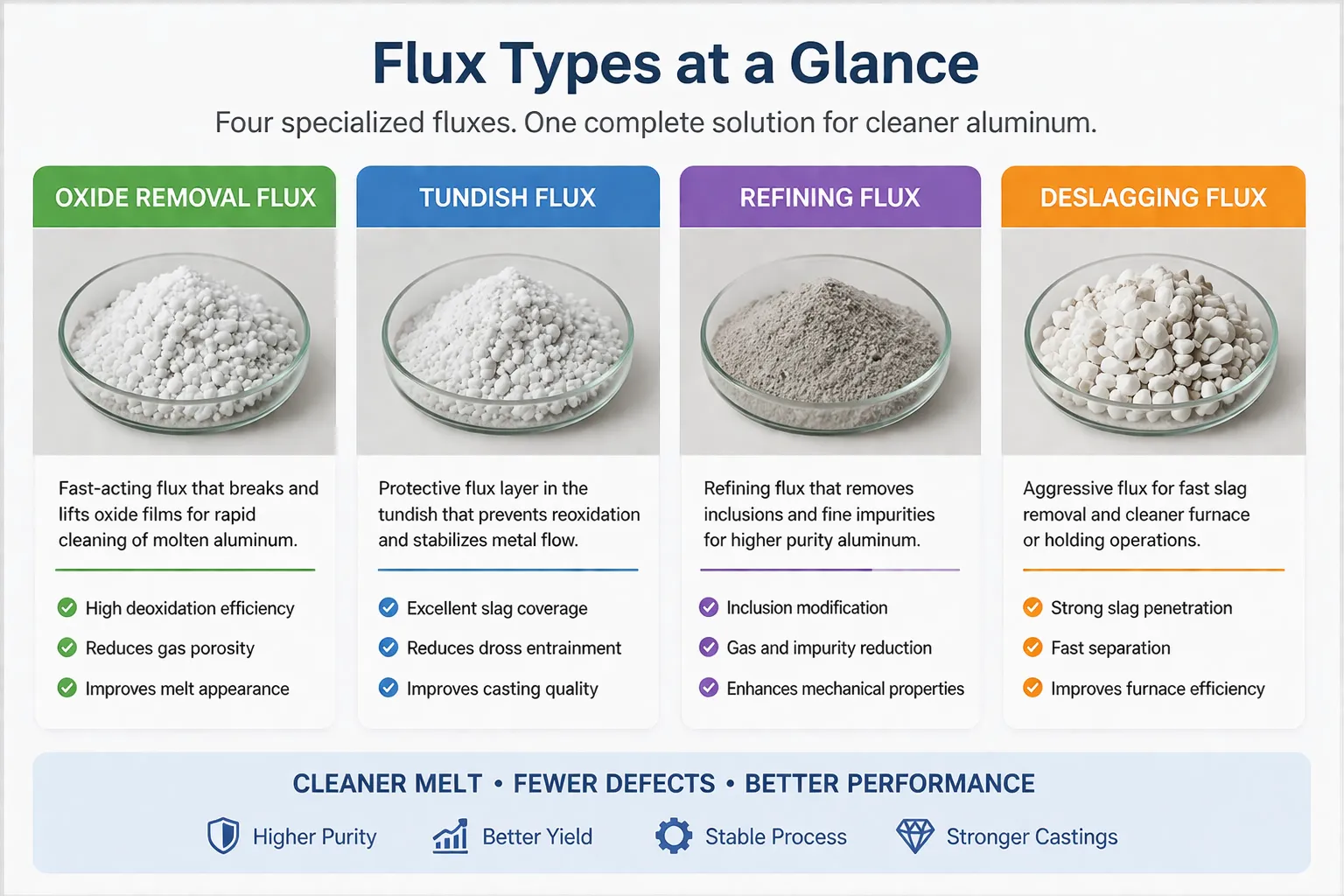
AdTech offers four specialized flux types:
- Oxide Removal Flux – Efficiently removes surface oxides and non-metallic inclusions
- Tundish Flux – Maintains melt cleanliness during continuous casting transfer
- Refining Flux – Reduces hydrogen and alkali metals, enhances melt quality
- Degassing Flux – Works with degassing units to accelerate hydrogen removal and bubble formation
Selecting the right flux type according to process and alloy ensures optimal melt quality.
How to Use Aluminium Granular Flux: Step-by-Step Guide
User Search Intent: “Step-by-step guide to using Aluminium Granular Flux”
Step 1: Preparing the Melt
- Ensure melt temperature is within recommended limits
- Remove debris or dross from ladle or furnace
- Verify degassing units are functioning properly if hydrogen control is needed
Step 2: Choosing the Right Flux
- Oxide-heavy melts: Oxide Removal Flux
- Continuous casting: Tundish Flux
- Hydrogen/alkali control or refining: Refining Flux, optionally followed by Degassing Flux
Step 3: Flux Dosing and Application
- Typical dosage: 0.3–0.7% of melt weight, depending on flux type and process
- Apply gradually to the melt surface for even coverage
- Use dedicated tools, scoops, or automatic feeders to minimize operator contact
Recommended Flux Application (by Flux Type)
| Flux Type | Typical Use / Function | Dosage (% by melt weight) | Application Notes |
|---|---|---|---|
| Oxide Removal Flux | Removes surface oxides and non-metallic inclusions | 0.3–0.5 | Apply at pouring temperature; stir gently |
| Tundish Flux | Maintains melt cleanliness during transfer in continuous casting | 0.4–0.6 | Maintain flux layer; avoid disturbances |
| Refining Flux | Reduces hydrogen and alkali metals, improves overall melt quality | 0.3–0.5 | Apply before degassing; works with rotary degassing units |
| Degassing Flux | Accelerates hydrogen removal when used with degassing units | 0.5–0.7 | Combine with degassing unit; suitable for all aluminum melts |
Data source: AdTech internal trials and European Foundry Association (EFA), 2023.
Step 4: Stirring and Integration
- Gently stir for oxide removal to allow flux to contact impurities
- For refining and degassing flux, allow time for bubbles to form and hydrogen/alkali metals to migrate
- Avoid over-stirring, which can reintroduce inclusions
Step 5: Skimming and Slag Removal
- Skim the flux layer once it has reacted with impurities
- Inspect melt surface for remaining oxides or inclusions
Safety and Health Considerations
User Search Intent: “How to safely use Aluminium Granular Flux”
AdTech Aluminium Granular Flux is dust-free, non-toxic, and environmentally friendly, significantly reducing the hazards of traditional powder fluxes.
However, molten aluminum remains extremely hot, so standard precautions are essential.
Safety Practices
- PPE: Heat-resistant gloves, arm protection, face shield, flame-retardant clothing, and steel-toed heat-resistant boots
- Flux Handling: Use dedicated tools or automatic feeders; while flux is non-hazardous, light respiratory protection may be considered in poorly ventilated areas
- Storage: Keep flux dry and sealed to prevent moisture contact, which can react with molten aluminum
Summary: The primary hazard is molten aluminum, not the flux. AdTech fluxes allow clean and safe handling, while standard molten metal precautions remain important.
Operator safely applies AdTech Aluminium Granular Refining Flux to molten aluminum, ensuring cleaner, high-quality metal.
AdTech Real Case: Optimizing Flux in a German Foundry
Background: A medium-sized aluminum foundry in Germany, specializing in automotive Al-Si-Mg alloy components, faced challenges with high hydrogen content, frequent porosity, and oxide-related defects in their continuous casting lines. The production yield was suboptimal, with scrap rates reaching 8–10%, and the extrusion dies required more frequent replacement due to edge cracks and surface imperfections.
Challenges Identified:
- Hydrogen levels in molten aluminum averaged 0.19–0.21 ppm, leading to gas porosity.
- Oxide films and non-metallic inclusions caused surface defects and reduced downstream machining efficiency.
- Traditional powder fluxes generated dust and inconsistent flux distribution, affecting worker safety and process reliability.
AdTech Solution:
- Supplied 2.2 tons of Refining Flux and 1.0 ton of Degassing Flux tailored for Al-Si-Mg automotive alloys.
- Provided on-site training for furnace operators on proper flux dosing, sequence, and interaction with rotary degassing units.
- Introduced Oxide Removal Flux for pre-pouring treatment and Tundish Flux for continuous casting transfer.
- Recommended optimized dosing: 0.35–0.6% of melt weight, applied gradually for uniform dispersion.
Results After Implementation:
| Metric | Before AdTech Flux | After AdTech Flux |
|---|---|---|
| Hydrogen content (ppm) | 0.20 | 0.08 |
| Surface porosity (%) | 6.8 | 2.7 |
| Scrap rate (%) | 9 | 3 |
| Extrusion die life (cycles) | 1200 | 1850 |
| Edge crack incidence (per 100 parts) | 15 | 4 |
Source: AdTech internal trial data, 2023.
Operational Improvements:
- Hydrogen content reduced by over 60%, minimizing gas porosity.
- Oxide and inclusion removal efficiency improved, resulting in smoother surfaces and fewer machining defects.
- Scrap rate reduced by 66%, significantly increasing yield.
- Die life extended by over 50%, lowering maintenance costs.
- Worker exposure to flux dust decreased due to dust-free granular fluxes, improving occupational safety.
Outcome and Partnership:
Thanks to AdTech’s technical support and the implementation of a customized flux protocol, the German foundry not only achieved higher product quality and operational efficiency but also established a long-term cooperation agreement with AdTech. The foundry continues to purchase granular fluxes for all its Al-Si-Mg production lines and regularly engages AdTech for process optimization audits and technical consultation.
Granular Fluxes for Molten Aluminum Refining
Performance Metrics and Industrial Data
Table 2: Aluminium Granular Flux Impact on Hydrogen and Inclusions
| Metric | Without Flux | With AdTech Flux |
|---|---|---|
| Hydrogen content (ppm) | 0.22 | 0.08 |
| Non-metallic inclusions (%) | 0.14 | 0.06 |
| Surface porosity (%) | 7 | 3 |
Source: Multi-year trials, European Foundry Association, 2023.
Table 3: Flux Effectiveness Across Applications
| Application Scenario | Flux Used | Outcome |
|---|---|---|
| Automotive Al-Si casting | Oxide Removal + Refining | 60% porosity reduction |
| Aerospace Al-Mg alloys | Refining + Degassing | Hydrogen down to 0.08 ppm |
| Continuous casting lines | Tundish Flux + Degassing | Cleaner melt, reduced dross |
Source: AdTech internal trials, International Aluminium Institute, 2022.
Conclusion: Safe and Effective Aluminium Granular Flux Use
Effective use of Aluminium Granular Flux requires understanding sequence, timing, flux selection, and safety awareness.
With AdTech fluxes, foundries benefit from:
- Dust-free, environmentally friendly handling
- Improved melt quality, hydrogen and alkali control
- Safer working environment
- Lower scrap rates and improved efficiency
For more details on flux products and application guidance, visit AdTech Products.
If your project requires the use of Flux, you can contact us for a free quote.
FAQ
1. What is Aluminium Granular Flux and how does it work?
Aluminium Granular Flux is a dust-free, environmentally friendly flux used to remove oxides, non-metallic inclusions, and alkali metals from molten aluminum. It works by reacting with impurities, forming a removable slag layer, and reducing hydrogen content in the melt.
2. What types of Aluminium Granular Flux does AdTech offer?
AdTech offers four main types: Oxide Removal Flux, Tundish Flux, Refining Flux, and Degassing Flux. Each type targets specific melt issues such as surface oxides, hydrogen, or inclusion removal.
3. How do I choose the right flux for my aluminum alloy?
Selection depends on your process and alloy: Oxide Removal Flux for oxide-heavy melts, Tundish Flux for continuous casting, Refining Flux for hydrogen/alkali control, and Degassing Flux to accelerate hydrogen removal in combination with a degassing unit.
4. What is the recommended dosage for Aluminium Granular Flux?
Typical dosage ranges from 0.3% to 0.7% of the melt weight, depending on the flux type and process conditions. Gradual application ensures even distribution and optimal performance.
5. Is Aluminium Granular Flux safe for workers?
Yes. AdTech fluxes are dust-free and non-toxic, significantly reducing exposure risks. Standard molten metal precautions should still be followed, including PPE like gloves, face shields, and heat-resistant clothing.
6. Can Aluminium Granular Flux reduce emissions in foundries?
Yes. Granular fluxes reduce harmful emissions, including fluoride and dust, by up to 85% compared to traditional powder fluxes, while maintaining effective impurity removal and melt quality.
7. Do I need additional degassing when using Aluminium Granular Flux?
Degassing Flux is designed to work with rotary or inert gas degassing units. Using it in combination with other fluxes like Refining Flux enhances hydrogen removal efficiency.
8. Can Aluminium Granular Flux be used for high-magnesium aluminum alloys?
Keep flux dry, sealed, and away from moisture. Moisture can react with molten aluminum, creating safety hazards. Standard storage in a cool, dry warehouse is recommended.
9. In what situations should a porous ceramic filter be replaced instead of regenerated?
Yes. Certain AdTech fluxes are specifically formulated without sodium or fluorides, making them suitable for high-magnesium alloys while maintaining effective inclusion and alkali removal.
10. What improvements can I expect when using AdTech Aluminium Granular Flux?
Foundries typically see reduced hydrogen content, fewer inclusions, lower porosity, longer die life, and improved surface finish. Efficiency improvements often lead to lower scrap rates and better overall productivity.
Related posts:
No related posts.