
Boron Nitride Paste is a high-temperature protective coating widely used in aluminum casting systems to reduce molten metal adhesion, minimize oxidation, improve surface quality, and extend refractory service life. Due to its excellent lubricity, chemical inertness, and thermal stability, boron nitride paste has become one of the most effective solutions for protecting casting components that come into direct contact with molten aluminum.
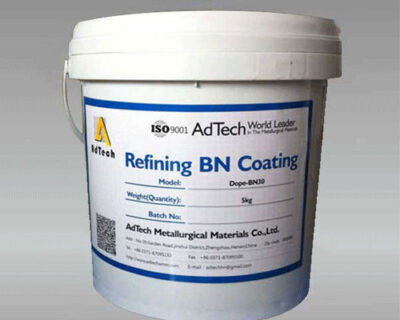
What Is Boron Nitride Paste?
Boron Nitride Paste (BN Paste) is a coating material primarily formulated with high-purity hexagonal boron nitride (h-BN), inorganic binders, and specialized additives. It is designed to form a smooth, non-wetting protective layer on refractory and metallic surfaces exposed to molten aluminum.
Often referred to as a “white graphite” coating, boron nitride combines many of graphite’s lubricating properties while offering significantly better oxidation resistance at elevated temperatures.
Key Characteristics of Boron Nitride Paste
| Property | Typical Performance |
|---|---|
| Operating Temperature | Up to 1000°C in air |
| Thermal Stability | Excellent |
| Wettability to Molten Aluminum | Extremely Low |
| Chemical Reactivity | Very Low |
| Lubrication Performance | Excellent |
| Thermal Shock Resistance | High |
These properties make boron nitride paste particularly valuable in demanding aluminum foundry and casting environments.
Request A Quote
Why Is Boron Nitride Paste Used in Aluminum Casting?
The primary purpose of boron nitride paste is to prevent molten aluminum from sticking to equipment surfaces.
Molten aluminum is highly reactive and can gradually attack refractory materials, transfer systems, and casting accessories. Without protection, buildup formation, oxidation, and contamination can negatively affect both product quality and production efficiency.
Main Functions of Boron Nitride Paste
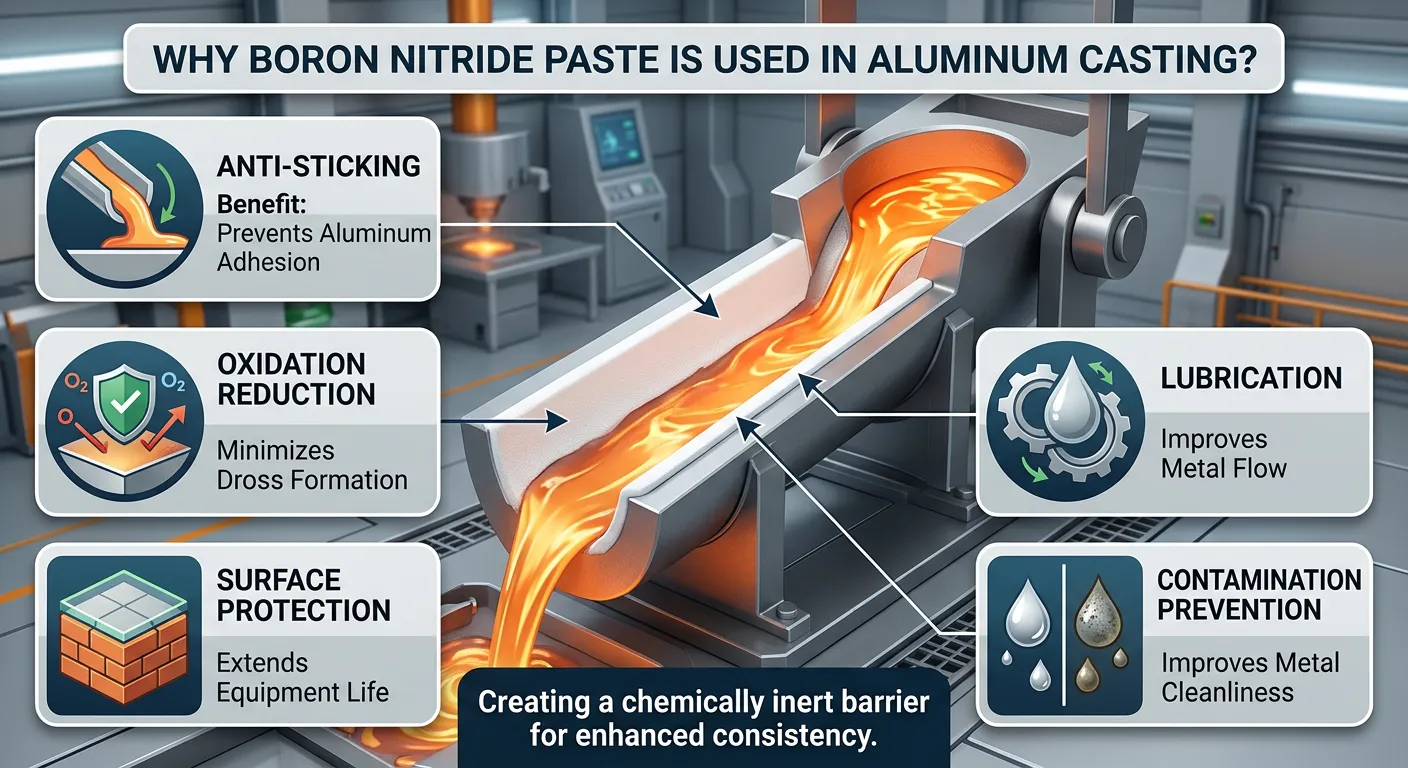
| Function | Benefit |
| Anti-Sticking | Prevents aluminum adhesion |
| Oxidation Reduction | Minimizes dross formation |
| Surface Protection | Extends equipment life |
| Lubrication | Improves metal flow |
| Contamination Prevention | Improves metal cleanliness |
By creating a chemically inert barrier between molten metal and substrate materials, BN paste significantly improves casting consistency.
Where Is Boron Nitride Paste Applied in an Aluminum Casting System?
Boron nitride coatings are commonly applied throughout the molten metal transfer and casting process.
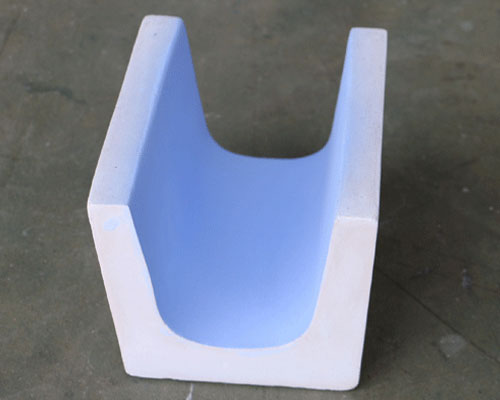
Launders
Launders transport molten aluminum from furnaces to casting stations. Continuous exposure to thermal cycling and molten metal can accelerate wear.
Applying boron nitride paste helps:
- Reduce aluminum penetration
- Minimize buildup formation
- Improve molten metal flow
- Extend refractory service life
Filter Boxes
Filter boxes are critical for metal cleanliness.
A boron nitride coating on internal surfaces can:
- Reduce metal adhesion
- Prevent localized clogging
- Facilitate easier maintenance
Facilities using advanced ceramic foam filtration systems often apply BN coatings as an additional protective measure.
Hot Tops
Hot tops control solidification during direct chill (DC) casting.
Benefits include:
- Reduced sticking
- Cleaner billet surfaces
- Improved casting stability
- Longer maintenance intervals
Casting Tips and Spouts
Components in direct contact with molten aluminum require effective anti-wetting protection.
BN paste helps maintain dimensional accuracy while reducing aluminum buildup.
How Does Boron Nitride Paste Improve Aluminum Quality?
Metal cleanliness directly influences the quality of aluminum billets, slabs, and cast products.
While filtration systems remove inclusions, boron nitride coatings help reduce secondary contamination generated within transfer equipment.
Quality Improvements Achieved
| Quality Factor | Improvement Mechanism |
| Surface Finish | Reduced sticking and turbulence |
| Inclusion Control | Less refractory erosion |
| Billet Appearance | Cleaner metal flow |
| Casting Stability | Consistent thermal behavior |
| Yield Rate | Reduced scrap generation |
As casting speeds increase and quality requirements become more stringent, the role of protective coatings becomes increasingly important.
What Makes Hexagonal Boron Nitride Different from Other High-Temperature Coatings?
Many refractory coatings are available for aluminum processing, but hexagonal boron nitride offers a unique combination of properties.
Comparison of Common Coating Materials
| Property | Boron Nitride | Graphite | Alumina Coating |
| Aluminum Non-Wetting | Excellent | Good | Moderate |
| Oxidation Resistance | Excellent | Limited | Good |
| Lubrication | Excellent | Excellent | Poor |
| Chemical Stability | Excellent | Moderate | Good |
| Ease of Cleaning | Excellent | Moderate | Moderate |
The exceptionally low wettability of molten aluminum on boron nitride surfaces is one of the main reasons for its widespread industrial adoption.
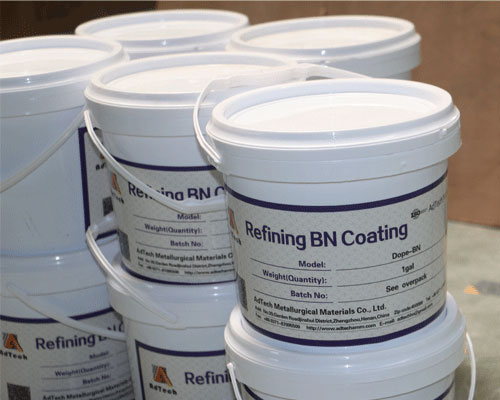
How Is Boron Nitride Paste Applied?
Proper application is essential for achieving maximum coating performance.
Surface Preparation
Before application:
- Remove dust and loose particles
- Eliminate grease or oil contamination
- Ensure dry substrate conditions
Application Methods
Common methods include:
- Brushing
- Spraying
- Roller coating
- Dipping
The selection depends on component geometry and production requirements.
Drying and Curing
After application, coatings should be dried according to manufacturer recommendations to ensure proper adhesion and coating integrity.
Uniform coating thickness generally provides the best balance between protection and durability.
How Long Does Boron Nitride Paste Last?
Service life depends on several factors:
- Casting temperature
- Alloy composition
- Metal flow rate
- Thermal cycling frequency
- Coating thickness
- Maintenance practices
Typical Performance Expectations
| Operating Condition | Typical Coating Life |
| Light Duty | Several weeks |
| Standard Production | Several casting campaigns |
| Heavy Duty Operations | Requires periodic touch-up |
Regular inspection and reapplication during scheduled maintenance can significantly extend equipment life.
Can Boron Nitride Paste Reduce Production Costs?
Although boron nitride paste represents a relatively small consumable cost, its impact on operational efficiency can be substantial.
Cost-Saving Areas
- Reduced refractory replacement frequency
- Lower equipment downtime
- Less cleaning labor
- Reduced metal loss
- Improved product quality
- Lower scrap rates
Many aluminum producers evaluate BN coatings not only as a maintenance material but also as a process optimization tool.
Which Aluminum Casting Components Benefit Most from Boron Nitride Coating?
In modern aluminum casting facilities, boron nitride paste is commonly used together with filtration and molten metal treatment equipment.
Applications frequently include:
- Launders
- Filter boxes
- Hot tops
- Casting tips
- Degassing equipment components
- Distribution troughs
- Transition plates
When integrated with advanced filtration technologies, boron nitride coatings contribute to cleaner molten aluminum handling and more stable casting performance.
Conclusion
Boron Nitride Paste has become a critical material in modern aluminum casting because of its outstanding non-wetting behavior, thermal stability, lubrication properties, and resistance to molten aluminum attack. Whether applied to launders, filter boxes, hot tops, or casting accessories, BN paste helps improve metal cleanliness, extend equipment life, reduce maintenance requirements, and enhance casting quality.
As aluminum producers continue pursuing higher productivity and stricter quality standards, boron nitride coatings remain one of the most effective protective solutions available for molten aluminum processing systems.
FAQ
1. What is Boron Nitride Paste used for?
Boron Nitride Paste is mainly used as a high-temperature protective coating in aluminum casting, helping prevent molten aluminum adhesion, reduce oxidation, and extend equipment life.
2. Is Boron Nitride Paste safe for contact with molten aluminum?
Yes. High-purity boron nitride is chemically inert and widely used in aluminum processing because it does not easily react with molten aluminum.
3. What is the difference between Boron Nitride Paste and Boron Nitride Coating?
Boron Nitride Paste is the material before application, while Boron Nitride Coating refers to the protective layer formed after the paste is applied and dried.
4. Where is Boron Nitride Paste commonly applied?
It is commonly applied to launders, filter boxes, hot tops, casting tips, transition plates, and other components that come into direct contact with molten aluminum.
5. Does Boron Nitride Paste improve aluminum surface quality?
Yes. By reducing metal sticking and contamination, it helps produce cleaner billet and slab surfaces with fewer casting defects.
6. How often should Boron Nitride Paste be reapplied?
The reapplication interval depends on casting conditions, alloy type, and coating thickness. Most facilities inspect coated surfaces during routine maintenance cycles.
7. Can Boron Nitride Paste reduce dross formation?
Yes. Its non-wetting properties help minimize aluminum buildup and oxidation, which can contribute to lower dross generation.
8. Is Boron Nitride Paste resistant to high temperatures?
Yes. Boron nitride maintains excellent stability at temperatures commonly encountered in aluminum casting operations.
9. Can Boron Nitride Paste be used with ceramic foam filters?
Yes. It is frequently used alongside ceramic foam filtration systems to improve molten aluminum handling and maintain metal cleanliness.
10. Why is Boron Nitride called “white graphite”?
Because its layered crystal structure provides lubricating properties similar to graphite, while offering better oxidation resistance in high-temperature environments.