
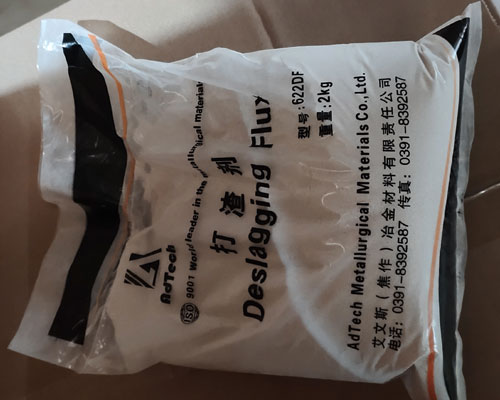
If you spend enough time on a casting floor, you’ll notice something interesting:
Two plants can use the same aluminum alloy, the same furnace, even the same flux—and still get completely different results.
The difference usually isn’t the material.
It’s how the melt is handled.
Flux for aluminum casting is often treated as a routine consumable. In reality, it’s one of the few tools that directly affects melt cleanliness, metal recovery, and defect rates at the same time.
This page is not about listing flux types. It’s about what actually works in production.
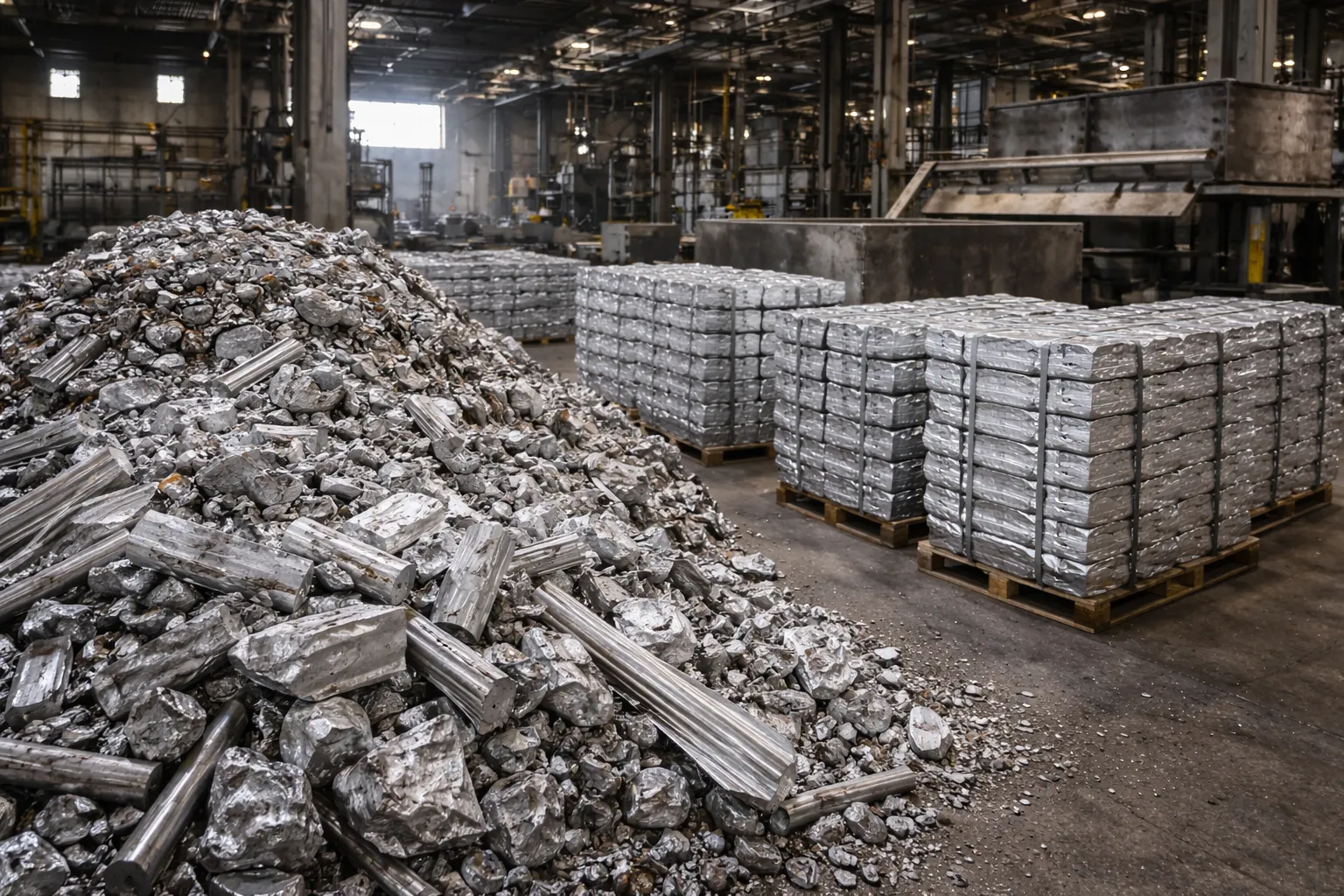
Why Do Aluminum Castings Still Have Defects Even When Flux Is Used?
This is one of the most common questions from plant managers.
Is the problem really the flux?
In most cases, no.
From real production observations, defects usually come from:
- Hydrogen re-absorption during holding
- Oxide films being broken and reintroduced into the melt
- Slag not being removed at the right time
- Flux being applied unevenly
👉 Flux is often blamed, but rarely the root cause.
What Does Flux for Aluminum Casting Actually Do in Practice?
Instead of thinking in theory, it’s more useful to look at what happens in the furnace.
How does flux interact with molten aluminum?
When properly applied, flux does three practical things:
- Separates dirt from metal
It helps oxide films and inclusions detach and float up. - Creates a working surface layer
This layer reduces further oxidation and stabilizes the melt. - Improves metal recovery during skimming
Especially when dealing with heavy dross.
👉 The key is not just the chemistry—it’s how evenly and consistently this interaction happens.
What Types of Flux Are Actually Used on a Casting Line?
Instead of textbook categories, here’s how they are used in real workflows:
| Stage in Production | What Operators Actually Use | Why It Matters |
|---|---|---|
| Early melting | Oxide removal flux | Breaks initial oxide layer |
| Fully molten stage | Refining flux | Cleans melt internally |
| Before pouring | Deslagging flux | Improves metal recovery |
| Holding / transfer | Cover flux | Prevents re-oxidation |
👉 On most lines, these are not optional—they are combined depending on melt condition.
This workflow reflects common foundry practices rather than theoretical classification.
How Do You Know Which Flux to Use Without Overcomplicating It?
What’s the simplest way to choose the right flux?
Forget product names. Look at the melt.
Ask three questions:
- Does the surface look “dirty” or unstable? → use oxide removal flux
- Are there porosity issues later? → you need refining flux
- Is there too much metal trapped in slag? → use deslagging flux
You can also explore our complete guide on flux for aluminum melting to better understand how different flux types are selected under various conditions.
How Should Flux Actually Be Applied on the Furnace?
This is where most of the difference happens.
Why does application method matter more than flux type?
Because flux only works where it touches.
| Application Method | What Happens in Reality |
|---|---|
| Spot dumping | Only partial reaction |
| Even spreading | Full surface coverage |
| Over stirring | Breaks oxide into melt |
| Light mixing | Helps controlled reaction |
👉 The biggest mistake seen in plants:
Dumping flux in one spot and expecting full coverage
How Much Flux Is Enough (Without Wasting It)?
There is no perfect number—but there is a practical range.
| Melt Condition | Realistic Usage Range |
|---|---|
| Clean ingot | 0.2% – 0.3% |
| Mixed returns | 0.3% – 0.5% |
| Dirty scrap | 0.5% – 0.8% |
👉 What matters more than quantity:
- Consistency
- Timing
- Coverage
These ranges come from real casting operations rather than lab conditions.
For a more detailed step-by-step guide, you can refer to our article on how to use aluminum flux effectively in real casting operations.
What Are the Most Common Mistakes with Aluminum Casting Flux?
Why do some plants use more flux but get worse results?
Because of these patterns:
- Adding flux too early → reaction wasted
- Not removing slag → contamination returns
- Using one flux for everything → inefficient
- Ignoring temperature → unstable reactions
👉 Flux cannot fix a poor process. It only works inside a controlled one.
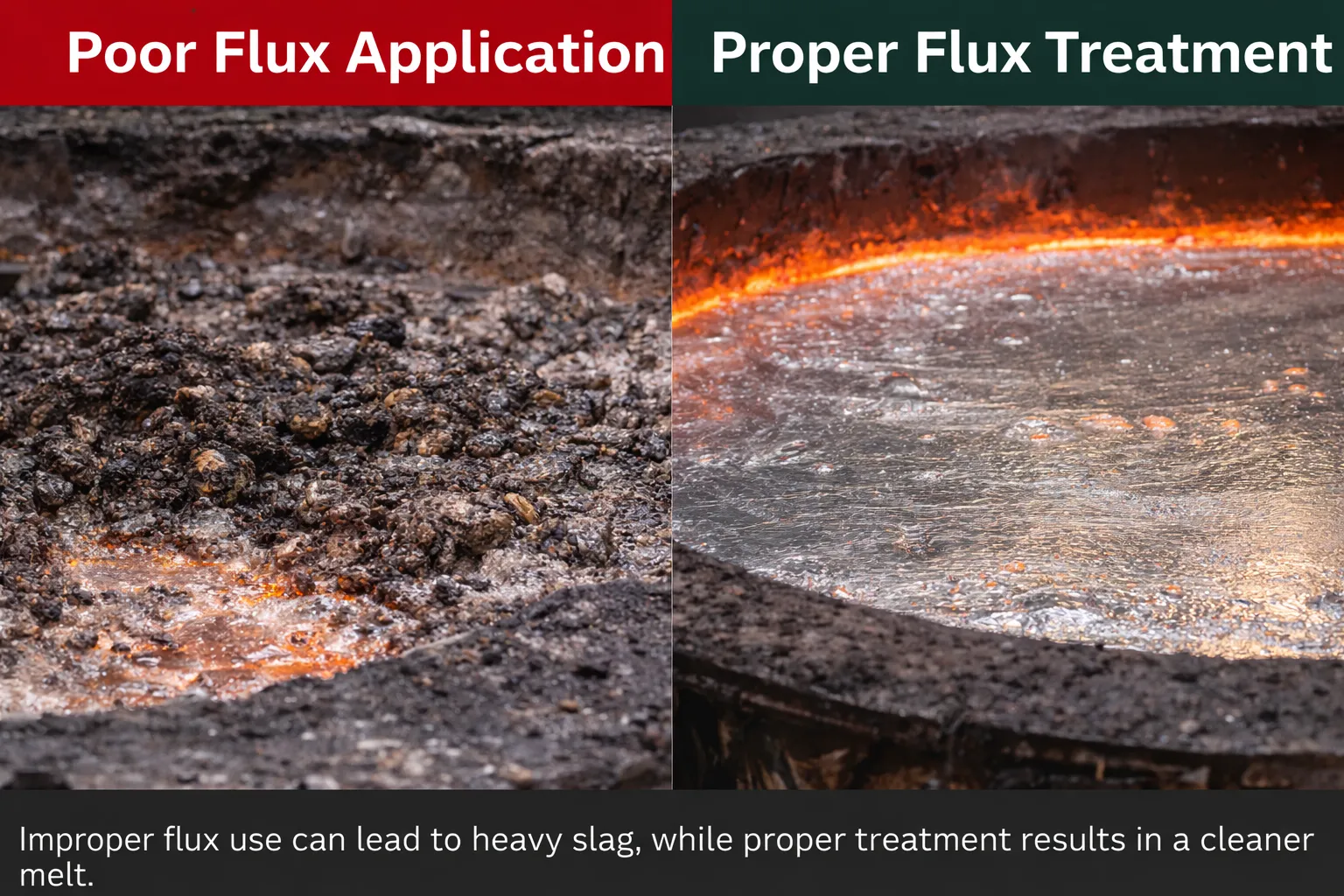
Real Case: When Changing the Method Worked Better Than Changing the Flux
A casting plant in Southeast Asia was facing:
- Increasing porosity
- High dross levels
- Rising flux consumption
Their initial assumption: the flux quality was inconsistent.
After reviewing the process, three issues were identified:
- Flux was added before full melting
- It was dumped in one area
- Slag was left too long on the surface
Adjustments made:
- Switched to full surface spreading
- Standardized addition timing
- Reduced unnecessary stirring
👉 Within one production cycle:
- Porosity dropped noticeably
- Slag became easier to remove
- Flux usage decreased by around 10–15%
Operator feedback:
“We didn’t change the product. We changed how we used it—and that made the difference.”
How Can You Get More Stable Results from Flux Use?
What actually makes flux performance consistent?
| Factor | What Experienced Operators Focus On |
|---|---|
| Temperature | Keep it stable, not just high |
| Timing | Add after full melting |
| Coverage | Always even, never localized |
| Slag removal | Immediate, not delayed |
👉 Stability beats optimization.
Where Does Flux Fit in Modern Aluminum Casting Today?
Flux is no longer used alone.
In most modern setups, it works alongside:
- Degassing units
- Ceramic foam filters
- Controlled transfer systems
👉 According to general guidance from industry bodies such as The Aluminum Association, melt cleanliness is achieved through combined treatment—not a single step.
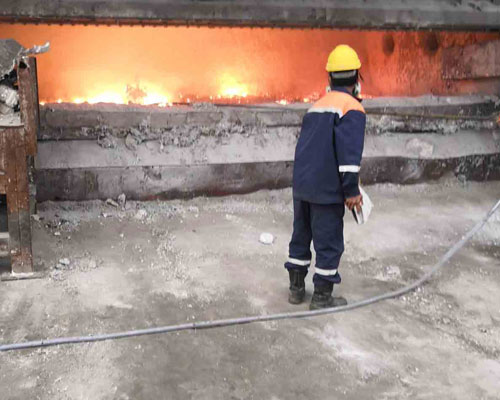
Conclusion: Flux Is Only as Good as the Process Around It
If there’s one takeaway from real casting operations, it’s this:
👉 Flux doesn’t create quality—it supports it.
Plants that get consistent results don’t just “use flux.”
They control when, where, and how it interacts with the melt.
At AdTech , we don’t just supply flux products—we work closely with each customer to understand their specific production conditions and provide tailored solutions that combine the right materials, application methods, and process optimization.
you can contact us for a free quote and technical support.
FAQ
1. What is flux for aluminum casting mainly used for?
To improve melt cleanliness, remove impurities, and stabilize the casting process.
2. Why does flux sometimes seem ineffective?
Usually due to poor application, incorrect timing, or lack of slag removal.
3. Is more flux always better?
No. Excess flux can increase slag and reduce efficiency.
4. When is the best time to add flux?
After full melting, depending on the flux type.
5. Can one flux be used for all situations?
Not effectively. Different stages require different flux functions.
6. How does flux affect aluminum recovery?
Proper use reduces metal loss during slag removal.
7. Does flux remove hydrogen completely?
It helps, but is usually combined with degassing.
8. What causes high slag even with flux?
Overuse, poor application, or dirty raw materials.
9. Is flux necessary for clean ingot aluminum?
Less critical, but still useful for consistency.
10. What is the biggest mistake in flux use?
Uneven application and poor timing.