
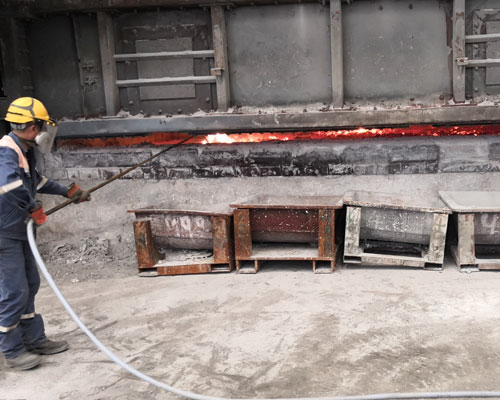
How to Use Aluminum Flux: Step-by-Step Guide for Cleaner Melt and Higher Metal Recovery
Understanding how to use aluminum flux correctly is one of the most critical factors in aluminum melting and casting operations.
In real foundry environments, flux is often underestimated. Many operators assume that adding more flux will automatically improve results. However, based on practical experience, improper usage often leads to higher dross generation, increased oxidation, and unnecessary metal loss.
This guide explains how to use aluminum flux in real production, including timing, dosage, and application techniques that directly impact melt cleanliness and recovery rate.
What Is the Correct Way to Use Aluminum Flux in Aluminum Melting?
The correct way to use aluminum flux involves three key principles:
- Proper timing
- Even distribution
- Controlled reaction
👉Tips:Flux should never be added randomly. Instead, it must match the melting stage and process requirements.
When Should You Add Aluminum Flux During the Melting Process?
Timing determines whether flux works effectively or not.
Early Stage: How to Use Flux During Initial Melting?
At the beginning of melting:
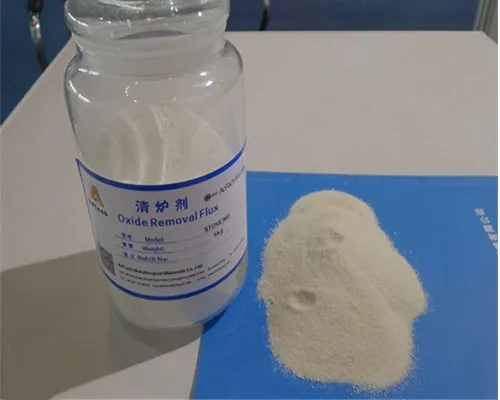
- Use oxide removal flux (also called cleaning flux)
- Add when aluminum starts to liquefy
- Purpose: remove oxide inclusions and surface impurities
Middle Stage: How to Use Refining Flux for Degassing?
When aluminum becomes fully molten:
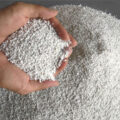
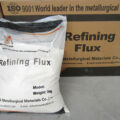
- Use refining flux (also called degassing flux)
- Apply evenly and allow reaction time
- Purpose: remove hydrogen and fine inclusions
👉 According to The Aluminum Association, gas content control is essential for reducing porosity in aluminum castings.
Final Stage: How to Use Deslagging Flux for Slag Removal?
Before pouring:
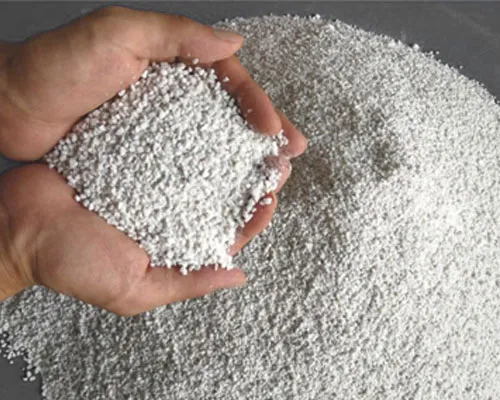
- Use deslagging flux (also called drossing flux)
- Spread across the melt surface
- Purpose: separate slag and recover trapped aluminum
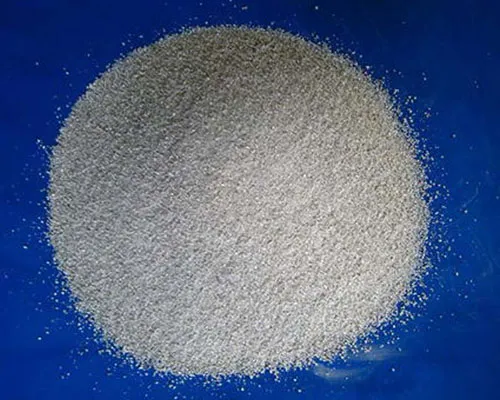
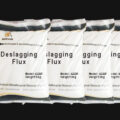
👉 You can also explore detailed applications of deslagging flux here:Deslagging Flux,Deslagging Agent,Aluminum Drossing Flux
Transfer Stage: How to Use Tundish Flux for Protection?
During transfer or holding:
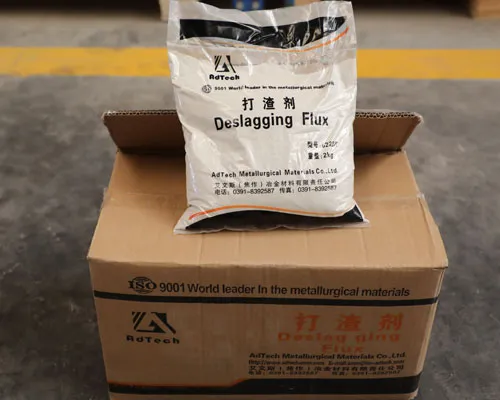
- Use tundish flux (also called cover flux)
- Maintain full surface coverage
- Purpose: prevent oxidation and reduce heat loss
How to Apply Aluminum Flux Properly?
Correct application method directly affects efficiency.
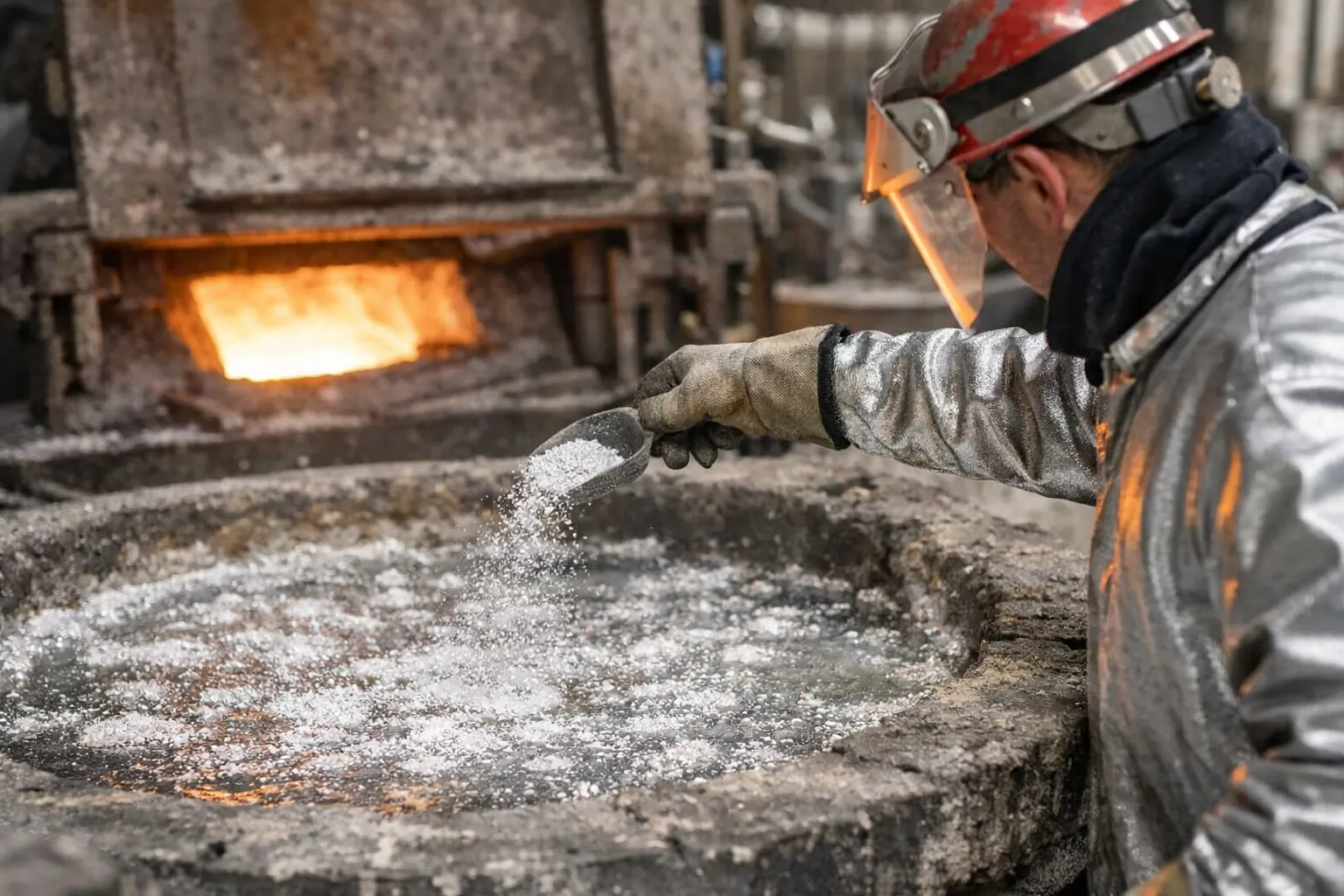
Step-by-Step Method:
- Ensure molten aluminum surface is stable
- Evenly spread flux across the entire surface
- Avoid dumping flux in one location
- Allow sufficient reaction time (5–10 minutes)
- Remove slag gently after reaction
👉 This method ensures uniform chemical reaction and maximum effectiveness.
What Are the Best Conditions for Using Aluminum Flux Effectively?
To achieve the best results when learning how to use aluminum flux, controlling operating conditions is just as important as selecting the right material.
In real foundry environments, flux performance is highly sensitive to temperature, surface condition, and furnace atmosphere.
Optimal Conditions Include:
- Melt temperature between 700–750°C for most aluminum alloys
- A relatively calm molten surface before flux addition
- Dry and preheated flux materials to avoid moisture reaction
- Minimal exposure to air during application
Why This Matters:
If aluminum flux is used under unstable conditions, its reaction efficiency drops significantly. For example:
- Low temperature → incomplete reaction
- Excessive turbulence → increased oxidation
- Wet flux → safety risks and poor performance
👉 Tips: maintaining stable conditions can improve flux efficiency by 15–25% without increasing dosage.
What Is the Recommended Dosage When Using Aluminum Flux?
| Flux Type | Recommended Dosage | Application Stage |
|---|---|---|
| Oxide Removal Flux | 0.3–0.6% | Early stage |
| Refining Flux | 0.2–0.5% | Mid stage |
| Deslagging Flux | 0.5–1.0% | Final stage |
| Tundish Flux | Surface coverage | Transfer |
These dosage ranges are based on real foundry practices and may vary depending on scrap quality, furnace type, and alloy composition.
What Are the Best Techniques for Using Aluminum Flux?
| Application Method | Efficiency | Practical Result |
|---|---|---|
| Surface spreading | High | Uniform reaction |
| Spot dumping | Low | Incomplete coverage |
| Controlled stirring | Medium | Balanced performance |
| Excessive agitation | Low | Increased oxidation |
This comparison reflects actual operational experience from aluminum casting plants.
What Happens If Aluminum Flux Is Used Incorrectly?
| Incorrect Usage | Result |
|---|---|
| Uneven application | Poor impurity removal |
| Excessive flux | Higher cost, contamination risk |
| Wrong timing | Reduced efficiency |
| Over-stirring | Increased oxidation |
These problems are commonly observed in real production and are often misinterpreted as material issues.
What Are the Signs of Effective Aluminum Flux Usage?
In real production, experienced operators do not rely on theory—they judge flux performance by visible results.
Key Indicators of Proper Flux Usage:
- Dross appears dry and powdery, not sticky
- Minimal metallic aluminum trapped in slag
- Melt surface becomes clean and stable
- Slag layer forms quickly and is easy to remove
Warning Signs of Poor Usage:
- Wet or heavy slag (indicates metal loss)
- Thick smoke during application
- Uneven slag distribution
- Repeated need for re-treatment
Real Foundry Case: How Proper Flux Use Improved Aluminum Recovery
A die-casting plant located in Poland, producing automotive aluminum components (mainly Al-Si alloys), was facing persistent issues related to melt instability and high dross generation.
Before working with the AdTech technical team, their process looked like this:
- Flux was added randomly in small batches (“spot dumping”)
- Operators relied on visual judgment rather than fixed timing
- Frequent manual stirring was used to “speed up” reactions
- No clear distinction between refining and deslagging stages
As a result:
- Dross generation averaged 4.5%–5.2% per batch
- Slag was heavy and sticky, containing visible metallic aluminum
- Melt surface oxidized quickly during holding
- Operators reported high labor intensity during slag removal
Process Optimization by AdTech Team
After an on-site assessment, the AdTech engineering team introduced several targeted adjustments:
- Standardized Flux Application Method
Switched from spot dumping → full surface spreading to ensure uniform reaction - Defined Flux Usage Stages
- Oxide removal flux added at early melting stage
- Refining flux applied after full melting
- Deslagging flux used only before slag removal
- Reduced Mechanical Disturbance
Limited unnecessary stirring to prevent secondary oxidation - Controlled Reaction Time
Each flux stage maintained a consistent reaction window (approx. 6–8 minutes)
Results After Implementation (Within 2 Weeks)
- Dross rate reduced from ~5% to 3.6%–3.9%
- Metallic aluminum content in slag decreased by ~30%
- Aluminum recovery improved by approximately 2.3%
- Slag became dry, loose, and easier to remove in one pass
- Furnace operation became more stable, with fewer fluctuations in melt surface condition
Operator Feedback
Operators noted that:
- Flux reaction became more predictable
- Less physical effort was required for slag removal
- Melt surface remained cleaner for longer holding times
Client feedback:
“Before, we thought the problem was the flux itself. After adjusting how we use aluminum flux, the improvement was immediate and consistent.”
👉In this case, performance gains did not come from changing materials, but from optimizing how aluminum flux was applied in real production conditions.
Can Aluminum Flux Be Used for Different Aluminum Alloys?
Different aluminum alloys react differently to flux treatment, which directly affects how aluminum flux should be used.
Common Alloy Considerations:
- Cast aluminum alloys (Al-Si):
Require stronger slag removal due to higher oxide formation - Wrought aluminum alloys:
More sensitive to contamination, requiring cleaner refining processes - Recycled aluminum:
Needs higher dosage and multiple flux stages
Practical Recommendation:
When working with mixed or recycled materials, combining:
- Oxide removal flux
- Refining flux
- Deslagging flux
is often more effective than using a single type.
👉 This multi-stage approach is widely used in industrial aluminum melting to balance cost and quality.
How to Choose the Right Flux Application Strategy?
Choosing the right method depends on:
- Raw material quality
- Furnace type
- Production scale
- Required casting quality
👉 The most important factor is not just which flux you use, but how to use aluminum flux correctly in each stage.
👉 If your process requires better recovery, lower dross, or optimized flux usage,
you can contact us for a free quote and technical support.
Want to see how aluminum flux performs in real production?
The following video shows a practical demonstration of aluminum flux application and its effect on melt cleanliness and slag removal.
Why Knowing How to Use Aluminum Flux Is More Important Than the Flux Itself
From real production experience:
👉 The same aluminum flux can produce completely different results depending on how it is used.
Operators who standardize:
- Application timing
- Distribution method
- Reaction control
consistently achieve:
- Cleaner melt
- Lower dross
- Higher recovery
👉 Tips: In aluminum melting, process control always beats material selection.
FAQ
1. How to use aluminum flux correctly?
Evenly spread flux across molten aluminum and apply it at the correct melting stage.
2. When should aluminum flux be added?
At different stages: early (cleaning), middle (refining), and late (deslagging).
3. How much aluminum flux should be used?
Typically between 0.2% and 1.0%, depending on flux type and conditions.
4. Can aluminum flux reduce metal loss?
Yes, especially deslagging flux helps recover aluminum trapped in slag.
5. Is it necessary to stir after adding flux?
Only controlled stirring is recommended. Excessive stirring increases oxidation.
6. What happens if too much flux is used?
It increases cost and may affect melt cleanliness.
7. Can flux be added before aluminum melts?
No. Flux should be added when aluminum is molten or partially molten.
8. How long should flux react?
Typically 5–10 minutes.
9. How to know if flux is working?
Dross becomes dry, loose, and contains less metal.
10. What is the biggest mistake in using aluminum flux?
Incorrect application method, not wrong material.
Related posts:
 Slag Removal Flux
 Refining Agent Flux
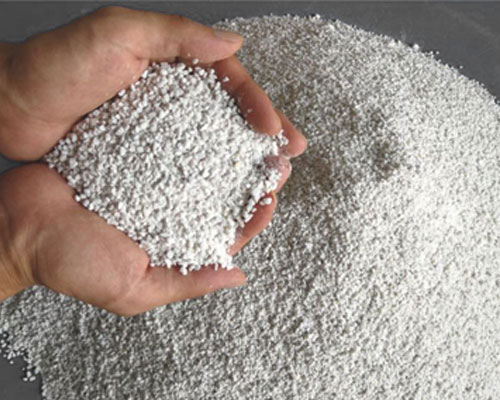 AdTech Fluxes
 Flux Refining
 Aluminium Casting Flux
 Drossing Flux: A Practical Guide to Reducing Aluminum Loss and Controlling Melt Behavior
 Fluxes for Molten Aluminum
 Aluminum Refining Flux
 Molten Aluminum Refining Flux
 Granular Fluxes: High-Performance Solutions for Aluminum Casting
 AdTech Granular Flux
 Flux for Alkali Metal Removal