
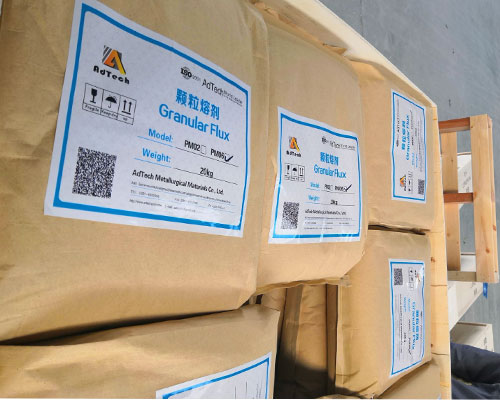
In aluminum melting, flux is often treated as a routine consumable. But in real production, it directly determines melt cleanliness, metal recovery, and even casting stability.
A well-selected flux for aluminum melting does more than remove impurities. It controls oxidation, improves separation efficiency, and stabilizes the melt surface under varying furnace conditions.
From practical foundry operations, one thing is clear:
👉 The difference between average and optimized melting is often defined by how flux is selected and applied.

What Is Flux for Aluminum Melting and Why Is It Critical?
Flux for aluminum melting is a group of specialized materials designed to interact with molten aluminum. Its main functions include:
- Removing oxide inclusions
- Separating slag (dross) from metal
- Refining melt cleanliness
- Providing thermal insulation
Unlike single-purpose additives, modern aluminum flux systems are often used in combination, depending on the stage of melting.
What Types of Flux Are Used in Aluminum Melting Processes?

In real production environments, four main types of flux are commonly used:
1. What Is Oxide Removal Flux and When Should You Use It?
Oxide removal flux is designed to break down and collect aluminum oxide inclusions formed during melting and handling.
It is typically used:
- During early melting stages
- When scrap quality is inconsistent
- In high-oxidation environments
2. What Does Tundish Flux Do in Aluminum Transfer Systems?
Tundish flux acts as an insulating and protective layer on molten aluminum during transfer and holding.
Its role includes:
- Preventing secondary oxidation
- Reducing heat loss
- Stabilizing melt surface
3. How Does Refining Flux Improve Aluminum Melt Purity?
Refining flux is used to remove dissolved hydrogen and fine inclusions.
Key benefits:
- Reduces porosity in castings
- Improves mechanical properties
- Enhances surface finish
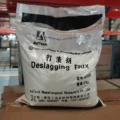
4. Why Is Deslagging Flux Essential for Metal Recovery?
Deslagging flux (also known as drossing flux) focuses on separating aluminum from slag.
It works by:
- Aggregating oxide particles
- Reducing metal entrapment
- Forming a removable slag layer
What Are the Differences Between These Flux Types in Aluminum Melting?
Although all of them are categorized as flux for aluminum melting, each type serves a distinct function at different stages of the process. Understanding their differences helps operators select the right combination rather than relying on a single material.
- Oxide Removal Flux (also called cleaning flux or inclusion removal flux)
Primarily used to eliminate oxide inclusions and non-metallic impurities. It improves melt cleanliness before further treatment. - Tundish Flux (also called cover flux or insulating flux)
Used to protect molten aluminum during transfer and holding. It forms a thermal barrier that minimizes heat loss and prevents oxidation. - Refining Flux (also called degassing flux or purifying flux)
Designed to remove dissolved hydrogen and microscopic inclusions. It plays a key role in reducing porosity and improving casting quality. - Deslagging Flux (also called drossing flux or slag removing flux)
Focuses on separating aluminum from slag. It promotes aggregation of oxide particles and helps recover trapped metal.
In practice, these fluxes are not substitutes for each other. Instead, they are used in sequence or combination, depending on the melting stage and quality requirements.
👉For example:
- Oxide removal flux improves initial cleanliness
- Refining flux enhances internal quality
- Deslagging flux maximizes recovery
- Tundish flux protects the melt during transfer
This layered approach is what defines an optimized aluminum melting process.
How Do Different Flux Types Compare in Aluminum Melting?
| Flux Type | Primary Function | Typical Application Stage | Key Benefit |
|---|---|---|---|
| Oxide Removal Flux | Remove inclusions | Early melting | Cleaner melt |
| Tundish Flux | Insulation & protection | Transfer/holding | Reduce oxidation |
| Refining Flux | Remove gas & fine particles | Mid/late stage | Improve quality |
| Deslagging Flux | Slag separation | Final stage | Increase recovery |
This comparison is based on standard aluminum melting workflows observed in industrial casting operations and aligns with widely accepted metallurgical practices.
How Much Flux Should Be Used in Aluminum Melting?
| Flux Type | Recommended Dosage (% of melt) | Notes |
|---|---|---|
| Oxide Removal Flux | 0.3–0.6% | Depends on scrap quality |
| Tundish Flux | Surface coverage | Continuous layer needed |
| Refining Flux | 0.2–0.5% | Combined with degassing |
| Deslagging Flux | 0.5–1.0% | Adjust based on slag volume |
These dosage ranges are based on field experience across multiple casting plants and may vary depending on furnace type and alloy composition.
👉
Flux dosage alone does not guarantee performance. In many cases, improper application leads to poor results even with correct amounts.
To avoid this, check our step-by-step guide on how to use aluminum flux properly.
What Are the Common Mistakes When Using Flux for Aluminum Melting?
Even with the right material, poor application can limit effectiveness.
1. Is Spot Dumping Reducing Flux Efficiency?
Localized addition leads to uneven reactions and incomplete coverage.
👉 Better approach:
Uniform spreading across the melt surface.
2. Does Excessive Stirring Increase Oxidation?
Yes. Over-stirring introduces air and accelerates oxide formation.
👉 Best practice:
Controlled, minimal agitation.
3. Is More Flux Always Better?
No. Overuse increases cost and may contaminate the melt.
👉 Efficiency comes from correct usage, not higher dosage.

How Does Flux Improve Aluminum Melting Efficiency?
| Performance Metric | Without Proper Flux | With Optimized Flux |
|---|---|---|
| Dross generation | High | Reduced |
| Metal recovery | Lower | Higher |
| Melt cleanliness | Inconsistent | Stable |
| Casting defects | Frequent | Reduced |
This performance comparison reflects real production improvements observed after optimizing flux selection and application methods.
How to Choose the Best Flux for Aluminum Melting?
Selecting the right flux depends on:
- Type of raw material
- Furnace conditions
- Required product quality
- Production scale
👉 In practice, the best results come from combining multiple flux types, rather than relying on a single solution.
If your aluminum melting process requires stable melt quality, higher metal recovery, or customized flux solutions,
you can contact us for a free quote and technical support.
Final Insight: Why Flux Strategy Matters More Than Flux Type
Many operators focus on choosing the “best flux.” But in reality:
👉 The biggest improvements come from how flux is used, not just what is used.
Small process optimizations often deliver better results than simply changing materials.
FAQ
1. What is flux for aluminum melting used for?
Flux for aluminum melting is used to remove oxide impurities, separate slag (dross) from molten aluminum, and improve overall melt cleanliness, casting quality, and metal recovery.
2. What is the difference between drossing flux and refining flux?
Drossing flux (also called deslagging flux) is mainly used to separate slag and recover trapped aluminum, while refining flux focuses on removing hydrogen and fine inclusions to improve internal metal quality.
3. How much flux should be added to molten aluminum?
Typical dosage ranges from 0.2% to 1.0% of the melt weight, depending on the flux type, scrap quality, and furnace conditions. Overuse does not improve efficiency and may increase cost.
4. Can flux reduce aluminum loss during melting?
Yes. Proper use of deslagging (drossing) flux can significantly reduce metal loss by helping aluminum separate from slag instead of being trapped in oxide layers.
5. Is flux necessary when using primary aluminum?
Flux is less critical for primary aluminum compared to recycled material, but it is still recommended to ensure melt cleanliness and prevent oxidation during processing.
6. What happens if flux is not used in aluminum melting?
Without flux, oxide inclusions accumulate, slag becomes difficult to separate, metal loss increases, and casting defects such as porosity and inclusions are more likely to occur.
7. How do you apply flux in aluminum melting?
Flux should be evenly spread across the molten aluminum surface rather than dumped in one spot. Uniform coverage ensures better reaction and more effective impurity removal.
8. What are the different types of aluminum flux?
The main types include oxide removal flux, tundish (cover) flux, refining flux, and deslagging (drossing) flux, each serving different functions at various stages of the melting process.
9. Does flux affect aluminum composition or properties?
High-quality flux does not significantly alter the chemical composition of aluminum. Instead, it improves purity and enhances mechanical properties by removing impurities.
10. How to know if the flux is working effectively?
Effective flux results in dry, loose dross with minimal metallic aluminum content, improved melt surface stability, and fewer casting defects in the final product.
Related posts:
 Refining Agent
 Fluxes for Aluminum Alloys
 Aluminium Casting Refining Flux
 Aluminum Casting Fluxes
 Al Alloy Granulated Flux
 Aluminum Alloy Refining Agents
 Aluminum Alloy Grain Refiner
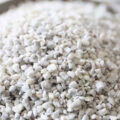 Refine Flux
 Al Alloy Refining Flux
 Aluminum Alloy Refining Agent
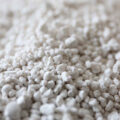 Aluminum Alloy Flux Purification
 Drossing Flux: A Practical Guide to Reducing Aluminum Loss and Controlling Melt Behavior